
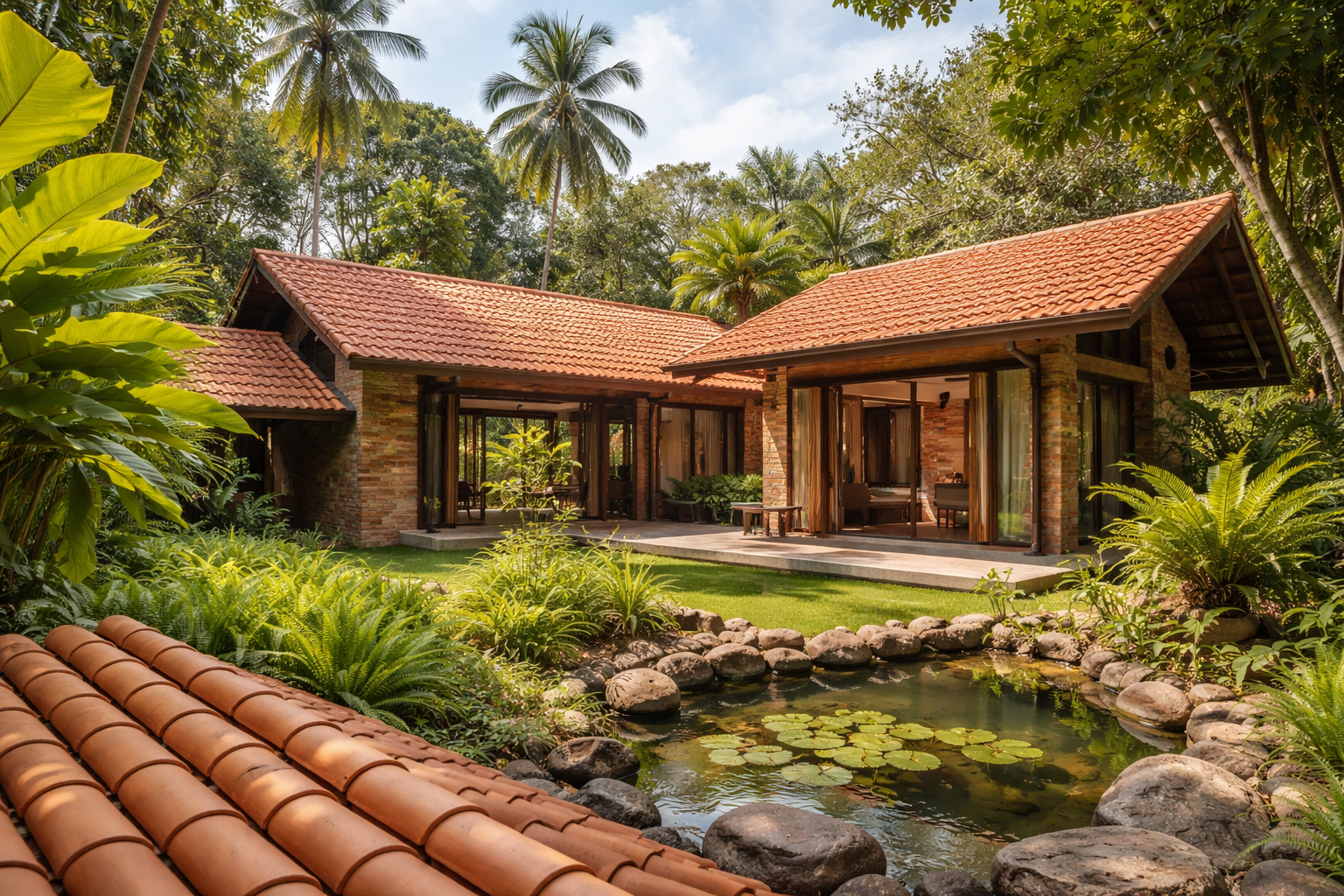
Long a component of India’s architectural legacy, terracotta—which means “baked earth—is Made exclusively from natural clay bricks; terracotta tiles provide a special combination of looks and use. The ageless appeal and environmental friendliness of these tiles have drawn fresh interest in modern architecture in recent years. Terracotta tiles Manufacturers in India nowadays are setting the standard for elegantly and environmentally mindful sustainable tile solutions.
Natural Material for Eco-Conscious Designs
The origin of terracotta tiles is one of the main reasons for their celebration of sustainable building. Directly from clay-rich soil, these tiles are formed and fired without the use of hazardous chemicals. Under proper management, the entire process—from clay extraction to kiln firing—is conducted with minimal impact on the surroundings.
Terracotta tiles naturally regulate temperature, thereby reducing the need for synthetic heating or cooling. Green building prioritizes this thermal efficiency since it helps reduce energy consumption in buildings.
The Indian Manufacturing Advantage
Working with clay has been a long-standing habit in India. For millennia, artists and producers have been creating clay tiles. Together with contemporary manufacturing technologies, this legacy enables Indian Terracotta Tile producers to create tiles satisfying worldwide sustainability criteria while maintaining the classic look and feel.
Terracotta tiles Manufacturers in India concentrate on preserving the originality of the clay while improving the durability and finish of the good. Consequently, for long-term architectural use, Indian terracotta tiles are not only environmentally friendly but also exceptionally dependable.
Durability Meets Low Maintenance
Sustainability extends beyond manufacturing techniques to encompass the lifetime of a product. Over time, terracotta tiles demand very little upkeep and are naturally robust. Their perfect fit for both inside and outside uses is derived from their resistance to harsh weather, fading, and wear. Entirely made of clay bricks, they naturally break down at the end of their lifespan without generating contaminants in the surrounding environment.
The eco-friendly disposal and durability of terracotta tiles make them a circular material ideal for projects that emphasize sustainability from start to finish.
Aesthetic Harmony with Nature
The earthy tones and rough surface of terracotta tiles help visually calm one and naturally complement the ideas of biophilic architecture. Their seamless integration with green buildings and natural surroundings creates a harmonious and relaxing space.
From classic hand-molded tiles to contemporary geometric patterns, Terracotta tiles Manufacturers in India offer a diverse range of designs while still honoring the organic character of clay. For builders and architects striving for sustainability without sacrificing beauty, Indian terracotta tiles particularly appeal because of their harmony of design and environmental integrity.
Conclusion
Made entirely from natural clay bricks, terracotta tiles epitomize the ideal fusion of history, environmental consciousness, and usefulness. Terracotta tile makers in India are helping to redefine environmentally friendly architecture globally, as India leads the way in this art. Indian terracotta tiles offer the ideal solution for individuals seeking ecologically friendly materials with classic beauty. Out of all the building materials available in India, Jindal Mechno Bricks is the best one. As one of the leading Terracotta tiles Manufacturers in India, they are renowned for producing high-quality bricks for household construction. While maintaining a steadfast commitment to quality, innovation, and customer delight, Jindal Mechno Bricks utilizes modern manufacturing technologies to create bricks that excel in durability, strength, and aesthetic appeal.