The Evolution of Brick Facades in Contemporary Architecture

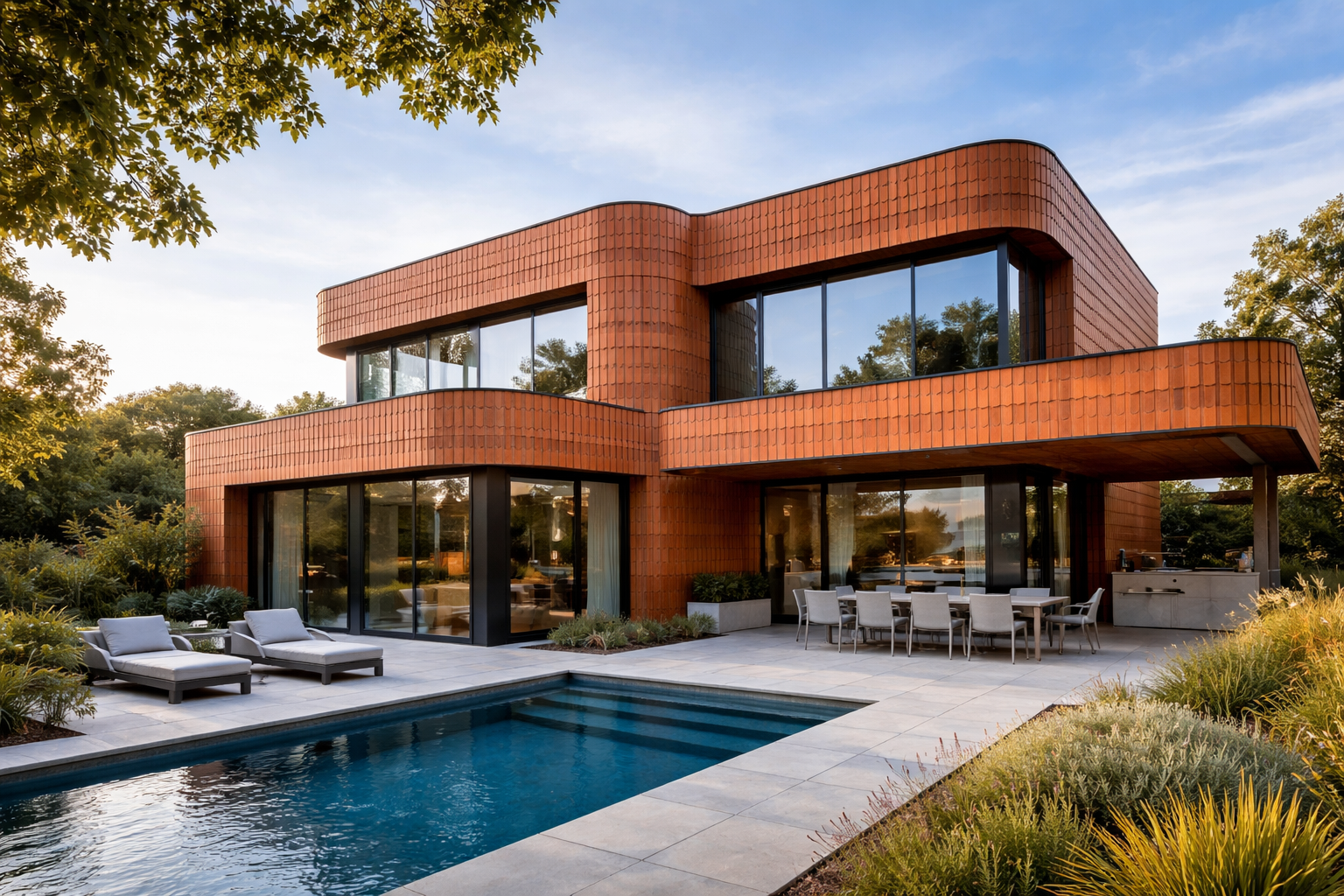
Few materials have endured like a brick within the often-shifting field of architecture.  From elegant metropolitan high-rises to historic fortifications, bricks have long been linked with strength and permanency.  However, the function and design of brick façades changed with architectural styles.  Today, Building facades with bricks Manufacturers define how this age-old material fits into the modern design story—blending history with invention and structure with elegance.


 From Function to Form: A Historical Shift

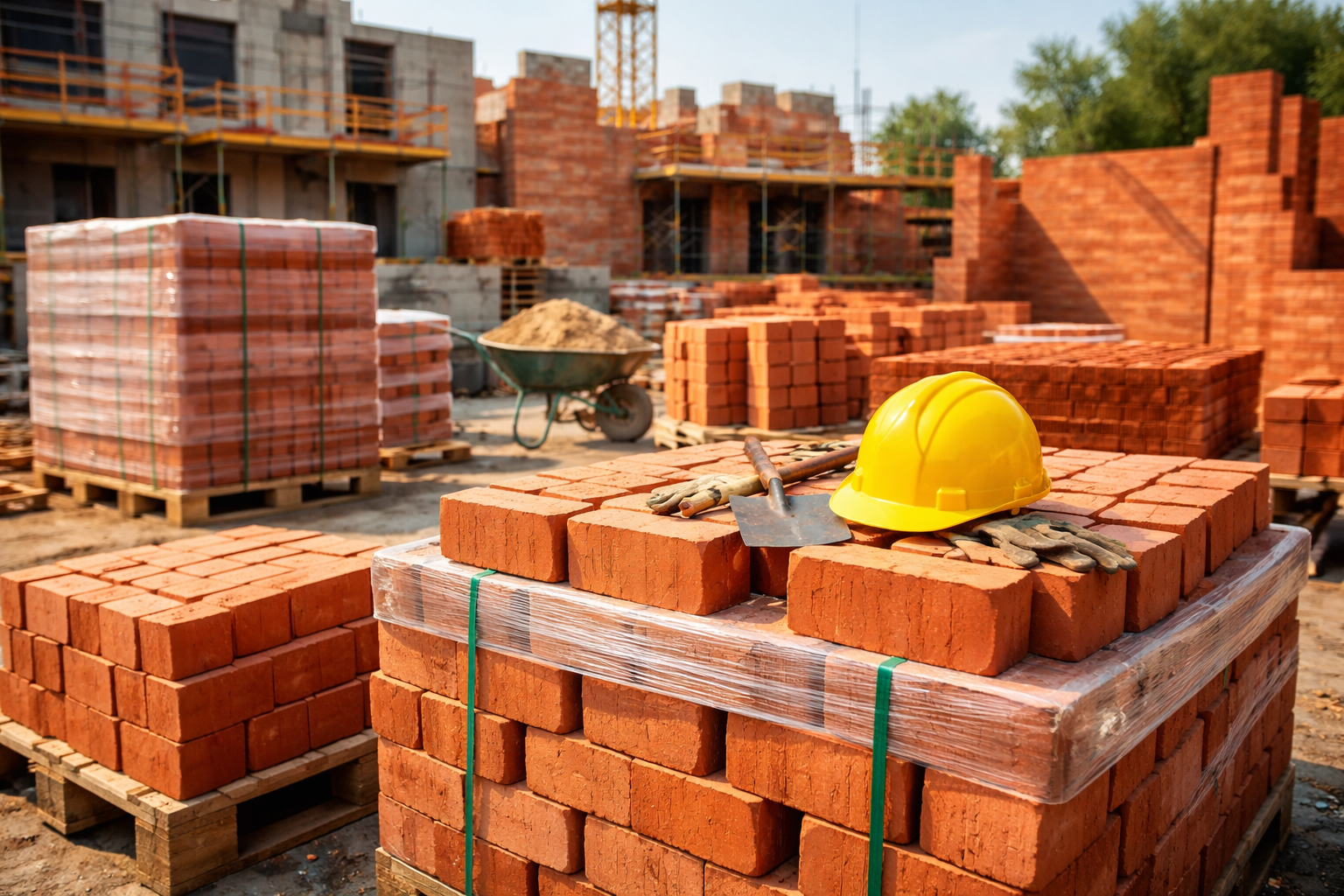
 Brick façades have historically been essentially structural components.  Mostly used load-bearing walls, bricks were prized for their availability, fire resistance, and durability.  Aesthetic concerns came second.  However, the structural use of bricks was lost as steel and concrete frames emerged, allowing their beautiful and practical use in the façade.

 This change lets builders investigate bricks as surface cladding materials that might define a structure’s character rather than only as construction blocks. Brick façades thus developed from essentially structural components to fundamental design elements in domestic and commercial buildings.


 Modern Design Meets Traditional Craftsmanship

 One of the most significant changes in recent years is the adaptation of building facades with bricks manufacturers to fulfill contemporary architectural requirements. Architectural projects today call for accuracy, adaptability, and a wide range of textures and colors. These days, manufacturers provide bricks in modern shapes with smaller profiles, longer lengths, and smoother surfaces that fit minimalist and industrial design aesthetics.

 Concurrent with this is still the great attraction of rustic and old finishes. Though modern production uniformity has led to many producers resurrecting traditional textures such as handcrafted bricks and wire-cut surfaces, this mix of old and modern gives architects great creative flexibility.


 Innovation in Patterns and Applications


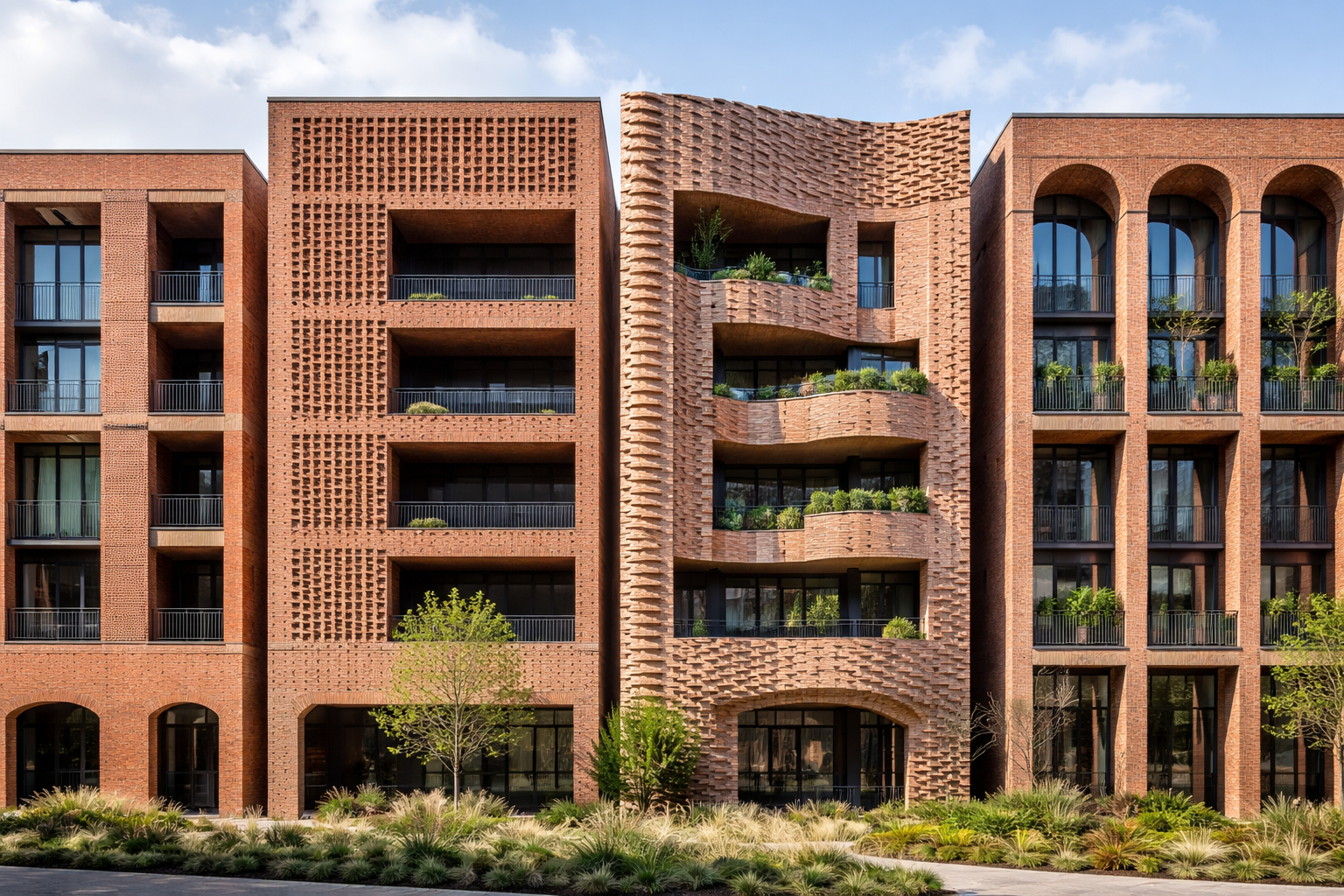
 Modern brick faces are no longer only flat surfaces.  Architects combine layered designs, recessed locations, and sophisticated bonding patterns to produce dynamic textures and depth.  Offering prefabricated panels that streamline installation and allow intricate visual effects, manufacturers support these advancements by providing modular choices.

 Furthermore, the evolution of ventilated brick facades and rain-screen systems demonstrates how utility has matched aesthetics.  In high-performance buildings, these technologies improve energy economy and moisture control and provide architectural freedom.


 Sustainability and Environmental Responsibility

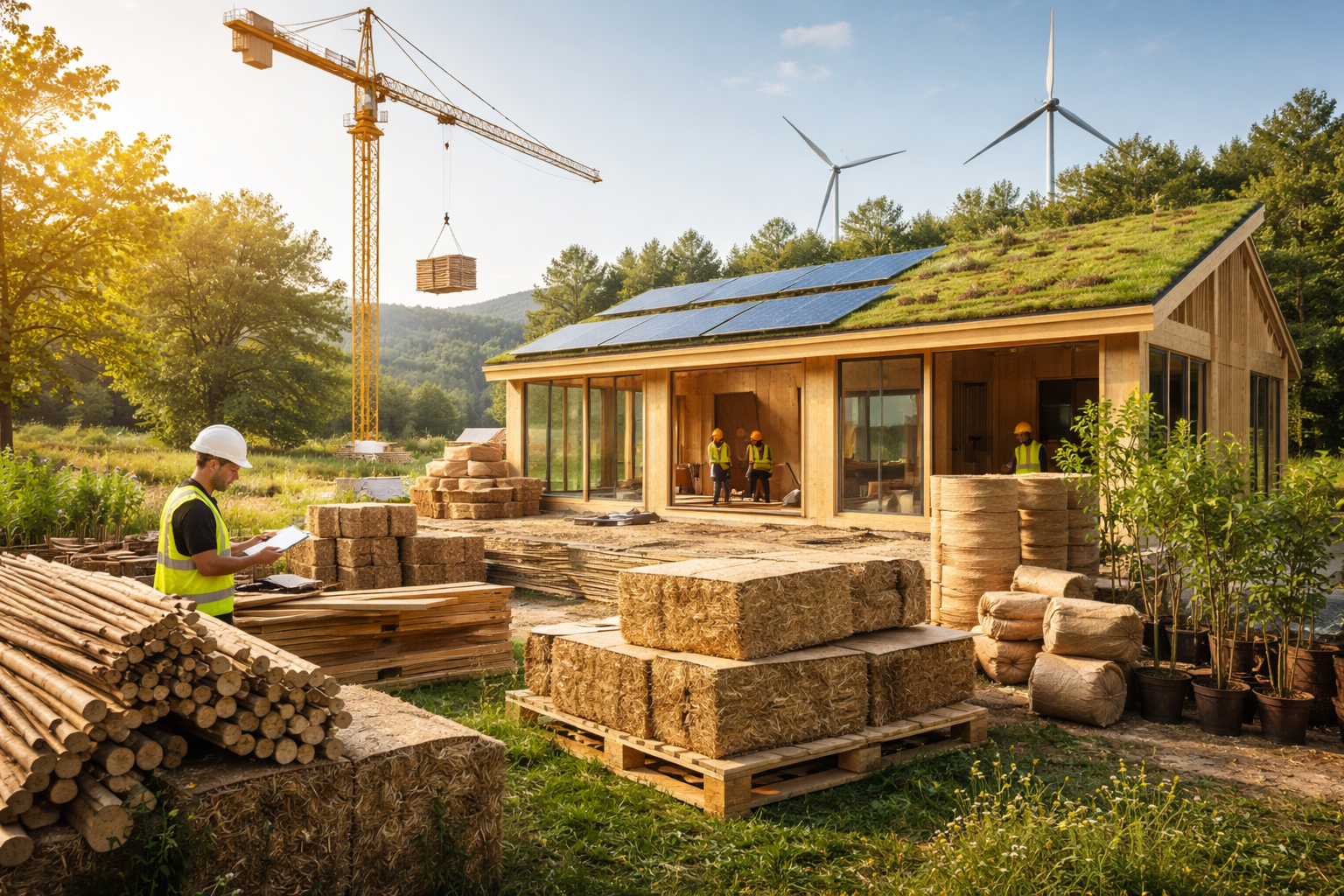
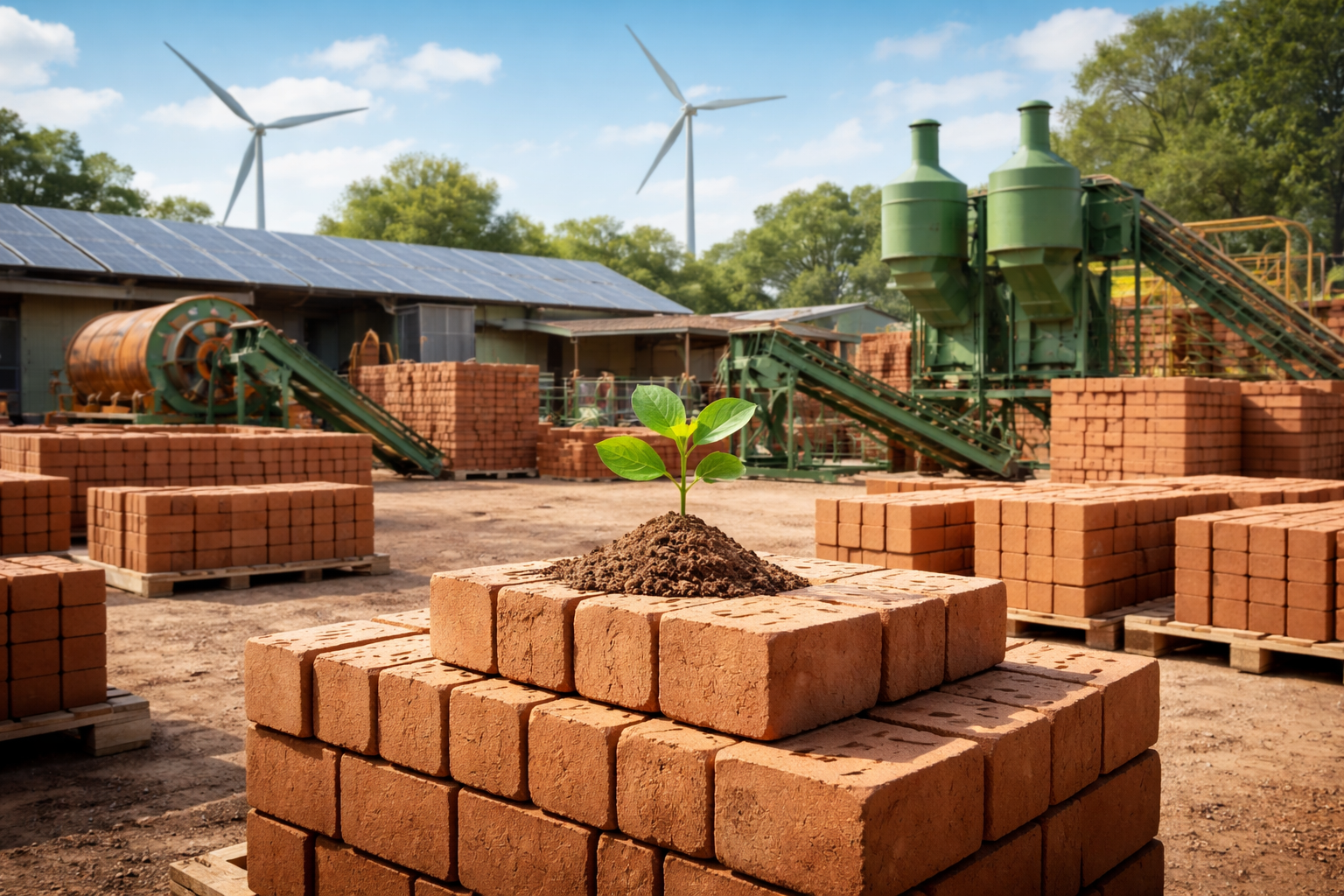
 Sustainability is very important in modern architecture; building facades with bricks manufacturers are meeting the challenge. Many now make bricks utilizing environmentally responsible techniques such as reusing waste products, lowering kiln emissions, and finding local clays to lessen their impact.

 Bricks inherently support sustainable architecture through their lifetime, recyclability, and thermal mass—which helps control indoor temperatures. These advantages frequently assist green construction projects in meeting certifications like LEED or IGBC as well as energy criteria.


The Road Ahead: Smart and Responsive Designs

 Looking ahead, clever integration will define brick façades.  Manufacturers are investigating self-cleaning surfaces, sensor-based systems, and bricks supporting solar panel integration.  These ideas seek to blend modern smart buildings’ demands with bricks’ ageless beauty.


Conclusion

 Brick façades show a larger change in design itself—one that equally values sustainability, innovation, and history. The creative design of building facades with bricks manufacturers has helped bricks remain relevant, adjusting to new forms while maintaining their classic appeal. Brick façades will surely remain a pillar of creative and sustainable design as modern architecture keeps stretching limits.
 

The Growing Demand for Exposed Bricks in Modern Architecture

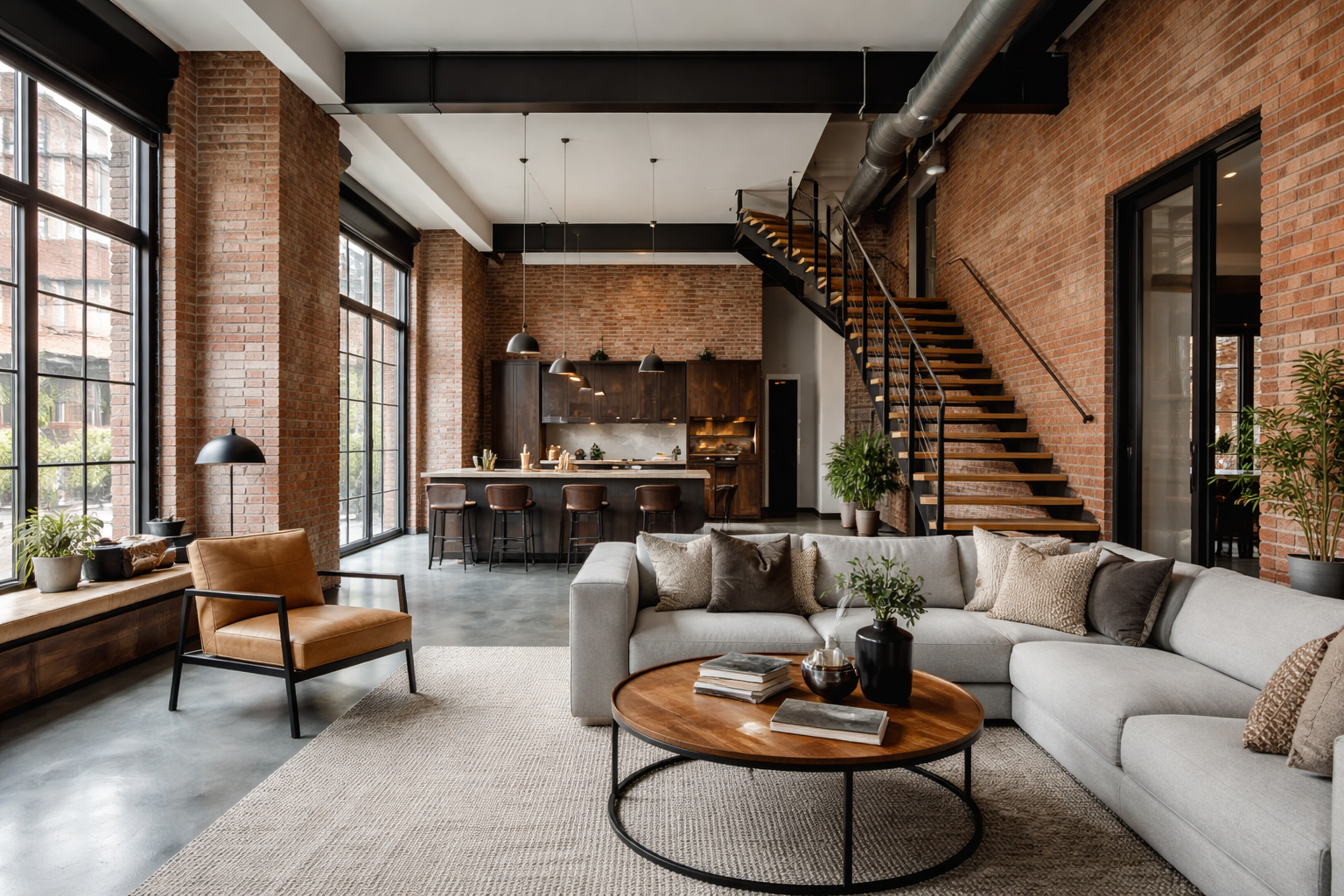
Regarding modern design, clay bricks are one of the few products that have come back into style. It used to be that bricks were hidden under plaster and paint, but now builders and designers love seeing them. These bricks are changing how homes and businesses are built because they are naturally beautiful, classic, and strong. The higher demand has also helped Exposed bricks Manufacturers, and now they have more styles to choose from to fit modern tastes.

The Timeless Appeal of Exposed Brick Walls

 Exposed bricks give modern rooms the natural, real look they often want. Clay bricks have many different textures, colours, and flaws that give a room character and warmth. In simple designs, exposed bricks look great next to smooth materials like glass and steel. They give rural or industrial rooms a rough, earthy feel that grounds the design.

 Clay bricks don’t break down. Over time, their colours get deeper, and their little flaws become part of the story. Designers and users both like how exposed brick looks as it ages naturally. This is one reason it’s a material that never goes out of style.

 Why Architects Prefer Clay-Based Exposed Bricks

One of the main reasons exposed bricks are so popular is the inherently good building material clay is. Excellent in retaining heat in, clay bricks help to make rooms cooler in the summer and warmer in the winter. They also withstand poor weather and fire bugs, and they last a really long period. This rare combination of strength and beauty in building materials is hard to find.


How Exposed Bricks Manufacturers are Meeting the Demand

 Because of the higher demand, Exposed bricks Manufacturers have added more products to their lines. Manufacturers today not only focus on making bricks that are strong and last a long time but also ensure that the bricks are all the same size, colour, and structure. Because uncovered bricks are meant to be seen, making them puts as much emphasis on looks as on strength.

 Top manufacturers also offer options that can be changed to fit the needs of a particular project. There are bricks for every style of building, from ones with smooth, even surfaces to ones with rough, natural ones. Jindal Bricks even make better versions for the environment by using sustainable methods that meet green building standards.

Conclusion

Exposure brick is not only a trend that is resurfacing but also a part of a more general push towards authenticity, sustainability, and workmanship. Skilled Exposed bricks Manufacturers, designers and builders can now obtain more premium clay bricks that look fantastic and satisfy the requirements of contemporary projects thanks to them. Even though buildings are constantly changing, simple clay bricks are still loved for their beauty and ability to be used in many different ways. There is no doubt that open bricks will continue to shape the places where we live and work for many years to come. Jindal Bricks are the best building materials in India. They are known for making the best bricks in India for building homes because they are the best brick manufacturing business.


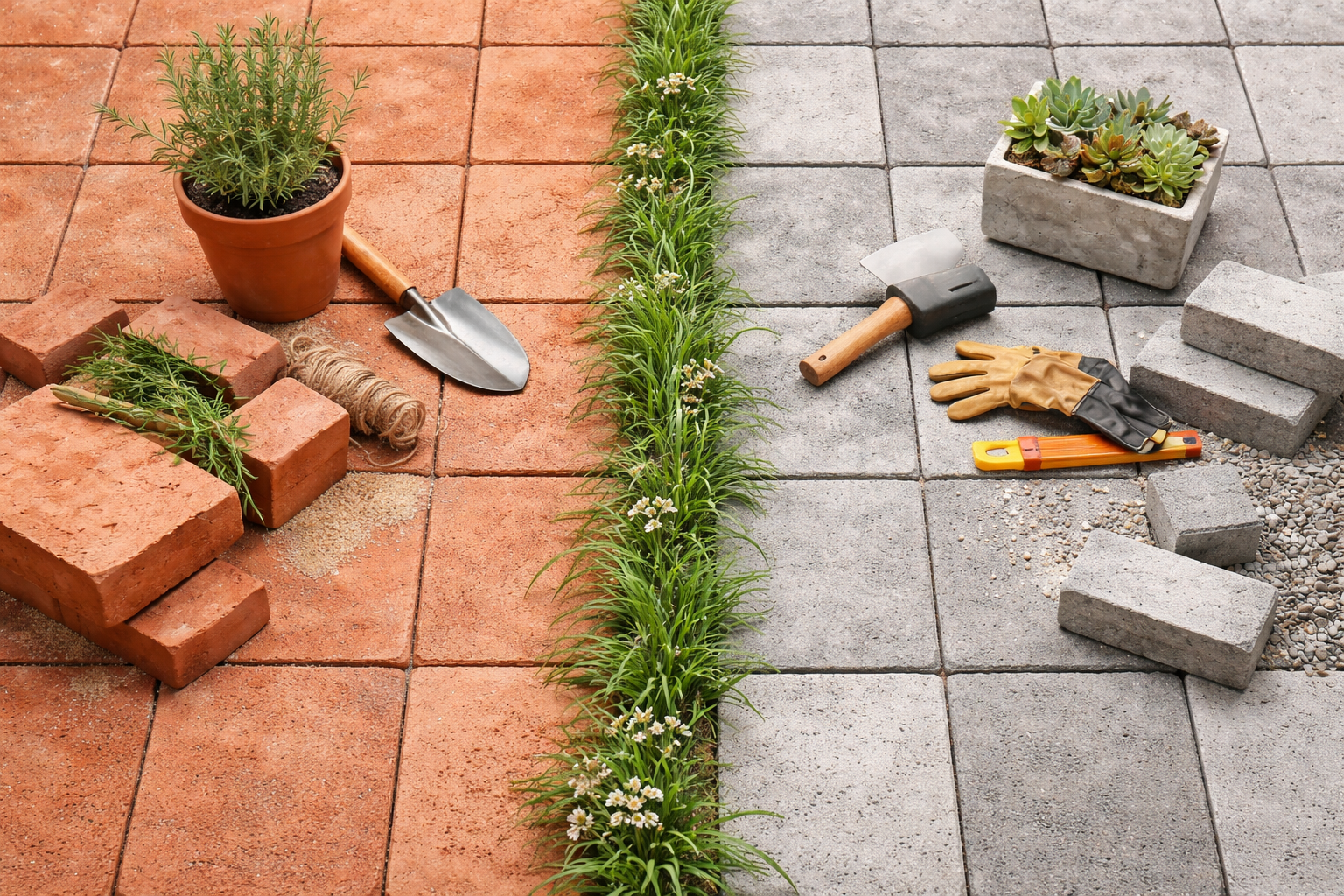
Terracotta vs. Concrete: Which One Should You Choose?

The design of your space has an impact on your appearance, and how long your space will last and perform, because of the choice of the correct material to use in either your roofing, flooring or cladding. Terracotta and concrete tiles are two of the common choices. Although the two materials are common in buildings, they possess various strengths. This knowledge of the differences can enable you to make an informed decision regarding your home, office or architectural project.

Classic Beauty and Scarlet Beauty.

Terracotta tiles are known to have been valued since ages as they have a warm and earthly color with natural beauty. These tiles are crafted using quality clay and fired at high temperatures which maintain the original colors of the tiles with time making them to look traditional and never fade. 

Concrete tiles on the other hand are produced by mixing cement and sand and pigments. Although they are available in a variety of colors and finishes, their colors are normally surface coated. This implies that their appearance can be faded away with time in the presence of the sun, rain, and pollution.

Durability and Longevity

Terracotta tiles are really hard to beat when it comes to how long they last. They also naturally have the resistance to extreme weather conditions such as heat, rain, and frost. Terracotta has a lasting performance of 50 years or even more with minimum maintenance making it a lasting investment on your property.

Concrete tiles are heavy and harder yet prone to water penetration. In the long run they can have micro-cracks affecting their structural integrity and lowering their lifespan in comparison to terracotta.

Maintenance and Care

Terracotta tiles have little maintenance. They are resistant to moss, fungus and staining thus with minimal effort they can maintain their beauty and strength over decades.

There is a need to pay more attention to concrete tiles. They might need frequent cleaning, repainting or the remedial coverings to keep them looking and working good.

Conclusion

The use of both terracotta and concrete tiles is good, but it is clear that terracotta would be more aesthetically appealing, durable, energy-efficient, and sustainable. Terracotta is a splendid option to the homeowners, architect and builders who want time-defying beauty and dependability in their work. For your next project, pick Jindal Mechno Bricks for high-quality terracotta tiles that are stylish, long-lasting, and good for the environment.


The Benefits of Using Terracotta Tiles in Modern Architecture

Building isn’t all sleek concrete and glass anymore. We need to check that the look, the function, and the strength are all just correct. Terracotta tiles are a popular new material because they are beautiful and functional. Builders and customers are adopting it increasingly to make buildings warmer, last longer, and be greener.

With a mix of old and new styles

Long-used terracotta tiles look wonderful in current styles. Their earthy colors and classic styles make them look old and modern.

Green living and taking care of the world

Real clay is used to make terracotta bricks, which can be reused or broken down and put back together. They also do a superb job of maintaining rooms at the proper temperature and making green buildings consume less energy.

How useful it is in different situations

 Terracotta tiles can be used on floors, walls, roofs, and borders in a wide variety of building types—the colors they are naturally made to go with both modern and country styles.

Strong and Long-Lasting

Terracotta tiles are fired at high temperatures, which make them exceptionally durable and resistant to cracking or fading. Even many years after installation, their strength and natural appearance remain intact, making them a reliable and timeless choice for both indoor and outdoor spaces.

Looks Easy to Take Care Of

Clean clay tiles to maintain their condition. Sealing them periodically prevents them from getting wet, making them excellent for long-term use.

Conclusion

Terracotta tiles symbolize power, beauty, and durability, not simply style. Jindal Mechno Bricks makes high-quality tiles using old and modern methods. Builders, designers, and homeowners seeking high-quality terracotta will like these tiles. Their clay range will make your project last a long time, look good, and be good for the environment.

How Sustainable Building Materials Manufacturers Are Reshaping the Future of Construction

Sustainability is no longer a buzzword in today’s environmentally conscious world; it is a requirement.  One of the primary causes of global carbon emissions, the building sector is undergoing significant changes.  The core of this change is Sustainable building materials Manufacturers who support the use of environmentally friendly substitutes.  Among the most powerful of these are clay bricks, a classic building material now being reinterpreted using sustainable methods.

 The Environmental Cost of Conventional Construction

 High-emission materials, such as cement and concrete, are relied mainly upon in traditional building techniques.  Although these materials possess good structural strength, their energy-intensive manufacturing techniques lead to a notable carbon footprint.  On the other hand, when produced responsibly, clay bricks present a low-impact, high-performance alternative that aligns with global green construction targets.

 Embracing energy-efficient technologies and eco-conscious sourcing to reduce the environmental impact associated with building, many Sustainable building materials Manufacturers are reviving this age-old material with modern advancements.

 Why Clay Bricks Still Matter

 For millennia, Indian buildings have primarily been constructed using clay bricks.  Their inherent composition, strength, and thermal insulating qualities define them.  Sustainable firing techniques, such as zigzag kilns or vertical shaft brick kilns, consume less fuel and produce less emissions.

Unlike many modern materials, clay bricks regulate indoor temperature, thereby reducing the need for artificial heating or cooling.    Over time, this reduces the energy consumption for building owners and renters.   Clay bricks can also be recycled, reused, or allowed to biodegrade, thereby reducing landfill waste.

 Innovation by Indian Manufacturers

 Top Sustainable building materials Manufacturers are producing innovative and more ecological clay bricks.  Some have gone to biomass or electric substitutes instead of coal-fired kilns.  Others are lowering the requirement for fresh clay by including fly ash and other recyclable components into the brick mix, therefore strengthening and insulating the building.

Advanced drying techniques to reduce water use and energy consumption are now being widely adopted.   These developments enhance quality, consistency, and compliance with green construction criteria while also helping to mitigate the environmental impact of brick manufacture.

 From raw material procurement to final packaging, Indian manufacturers are streamlining every aspect of the production process, enabling government projects, architects, and developers to meet sustainability guidelines without compromising performance. 

Conclusion

 The correct materials define sustainability in buildings.  With clay bricks at the forefront, Sustainable building materials Manufacturers are significantly influencing the construction techniques employed.  These companies are not only reducing the environmental impact of the sector but also setting new standards for the direction of green building by combining innovation with legacy. Jindal Mechno Bricks always makes world-class building materials because they follow an organized process and test their raw materials thoroughly.


Reducing Carbon Footprint with Sustainable Clay Brick Manufacturing

Green manufacturing of clay bricks is becoming an important input towards reduction of carbon footprint of structures as the construction industry is increasingly being pressured to reduce its impact on the environment. There are several things that can be done to make clay brick even more environmentally friendly. To start with, it should incorporate advanced technologies in the kiln and use of energy efficient materials to enhance the manufacturing process to reduce the amount of energy consumed even further and the emission of greenhouse gases. By combining old material with new environmentally-friendly techniques, the clay brick makers are adding to the creation of a cleaner future building brick by brick.

Understanding the Carbon Footprint in Brick Production

The conventional brick making processes require the fossil fuel and inefficient kilns producing a significant amount of greenhouse gases which can be energy-consuming. Emission saved through the process could be enormous in all stages, though through sustainable techniques to produce clay bricks:

  • Getting natural raw materials from nearby areas to cut down on emissions from transportation 
  • Using renewable energy sources like biomass or solar power 
  • Recycling process heat and waste materials 
  • Making kiln technology work better for cleaner, more efficient firing

Benefits of Sustainable Clay Bricks

Bricks made of clay are strong naturally, recyclable and durable. This would mean that the building would not need to be replaced regularly which would be better in the long run to the environment.

The most significant environmental advantages include: 

  • Lower embodied energy than synthetic and concrete buildings 
  • Greater thermal performance, implying that fewer resources are consumed in heating and cooling buildings 
  • Reuse in landscaping or other construction applications, since broken bricks can be recycled.

The circular economy can be supported by builders who use the clay bricks that were produced in an environmentally friendly manner to earn Griha green building credits.

Conclusion

A viable and scalable solution to lower the carbon footprint of the construction sector is through sustainable clay brick manufacturing. Clay bricks from Jindal Bricks are a low-impact, high-performance construction material for projects that care about the environment. This is because they are made in a way that is better for the environment and are sourced in a way that is also better for the environment.


Top Reasons to Choose Reputed Red Brick Manufacturers for Your Construction Project

Regarding the construction of long-lasting buildings, the materials you choose have equal importance to the design.  Clay red bricks have been among the most reliable and often used building materials for the most part.  Not all red bricks, meanwhile, are produced equally.  The longevity, appearance, and overall value of your building project can be significantly enhanced by collaborating with reputable Red Brick Manufacturers.  Here is the reason one should consider selecting a reputable name in the field.


 Assured Quality and Consistency

 Reputed red brick producers employ rigorous quality control procedures throughout the entire production line.  Every stage—from the selection of raw clay to the kiln’s firing process—is closely monitored to ensure that every brick meets uniform criteria of size, strength, and finish.  This homogeneity reduces waste resulting from breakage or flaws and helps preserve structural balance throughout the building.

The excellent compressive strength of superior clay bricks ensures that your building can withstand environmental stresses, including wind, rain, and seismic action.    Reliable Red Brick Manufacturers are less likely than unknown suppliers to have concealed defects, including unequal density or cracks. 

 Superior Durability and Longevity

 Red clay bricks’ demonstrated longevity is one of the key factors builders keep using them.  A dependable red brick producer utilises high-grade clay and ideal firing temperatures to create bricks that are highly resistant to wear and tear.  Long-term building projects, including public buildings, schools, and homes, would find these bricks perfect as they last decades and preserve their strength and structure.

 Selecting a trustworthy manufacturer ensures low maintenance requirements, superior thermal efficiency, and moisture resistance in the bricks.  This lifetime eventually translates into lower repair and replacement costs. 


 Accurate Sizing for Efficient Construction

 Achieving good lines and effective load distribution in masonry work depends on the exact brick size.  Reputable Red Brick Manufacturers invest in cutting-edge shaping and moulding processes, ensuring precise measurements.  For masons on-site, consistent size not only enhances the look of walls and facades but also speeds up and simplifies their work.

 Often requiring changes during construction, poorly crafted bricks slow down the process and increase labour expenses.  Well-made clay bricks, on the other hand, fit exactly with the design, thereby optimising production and reducing material waste.


 Environmentally Responsible Practices

 Many long-standing brick producers are adopting sustainable methods in their operations.  These producers mitigate the environmental impact of brick manufacture by sourcing clay responsibly and operating energy-efficient kilns.  For architects striving to match green building guidelines and ecologically sensitive design concepts, as well as for construction firms, this is important.

 Selecting a firm that supports environmentally responsible manufacturing guarantees not only the calibre of your construction but also helps the building sector to be sustainable.


Conclusion

 Selecting the appropriate components for your building project begins with collaborating with reputable manufacturers.  Choosing reputable Red Brick Manufacturers guarantees higher quality, more structural stability, and long-term savings.  Focusing primarily on clay bricks, these producers maintain classic dependability while adjusting to current building requirements.  Simply no replacement for quality red bricks from reliable sources for a strong foundation and a lasting impact.  Jindal Mechno Bricks delivers perfection in every brick they create, ensuring your building projects will last.


Paving the Way: Modern Landscaping Ideas with Clay Pavers

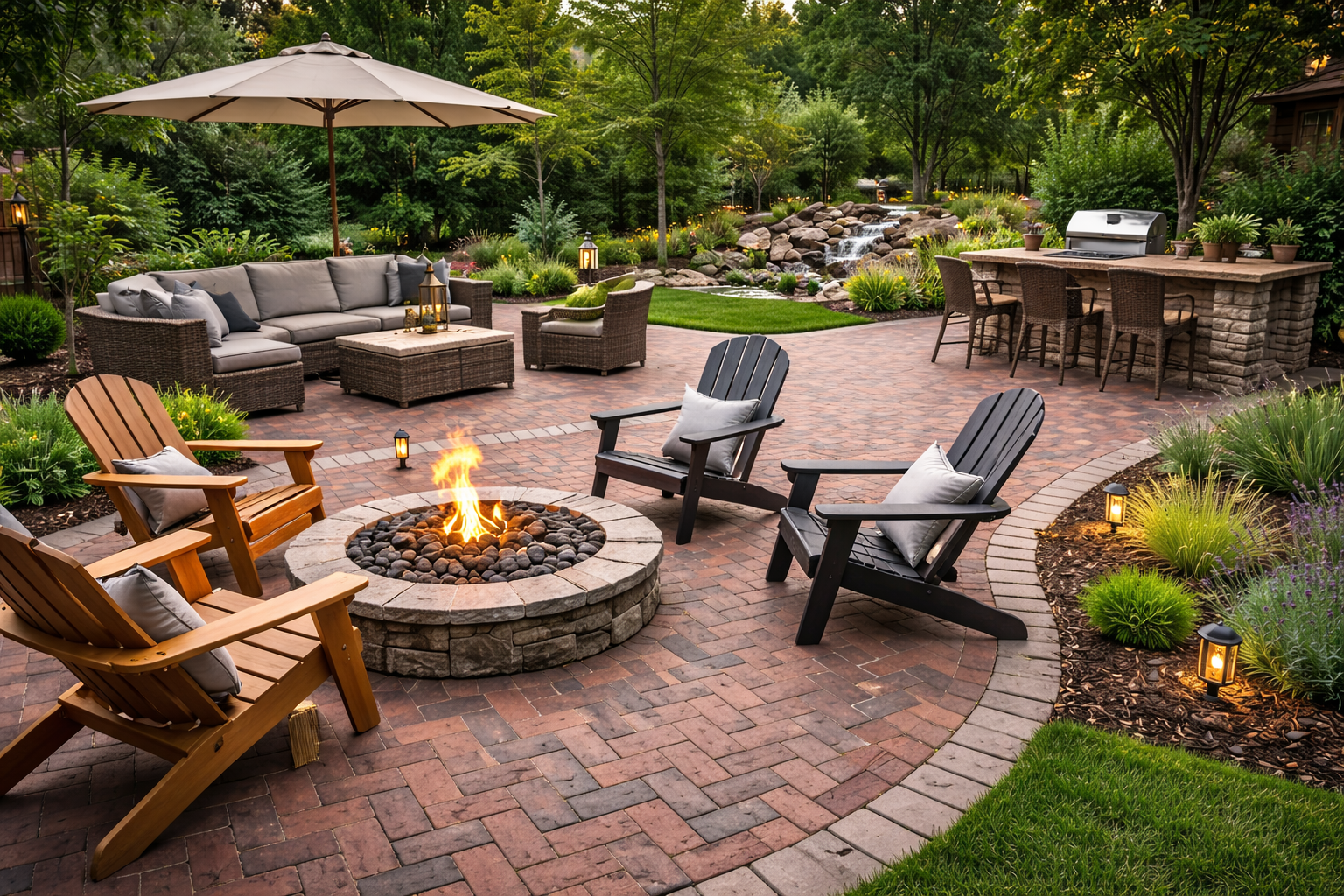
People have been doing it for a long time since clay steps look good and last a long time. They are both nice to look at and useful outside because their old-fashioned look goes well with their modern simplicity. These blocks are made from clay that comes from the ground. They are then heated up very quickly. The colour doesn’t fade and stays bright. Plus, they make any room feel cozy and warm.
It’s not like clay steps that break down. They become unique as time goes on because they get a soft sheen. The Water absorption capacity of clay pavers are <10.3%. It’s compressive strength is 250kg per cm2. People who live in eco-friendly homes and want to improve their outdoor areas with long-lasting materials like these also like them because they can be recovered.


Walkways That Make a Statement

Making pretty paths is one of the best things you can do with clay bricks. Clay pavers are great for making the way to the yard, patio, or front door because they are smooth and last a long time. Plus, they work great in any weather. Because they don’t slip, they’re great for places where a lot of people walk.
Herringbone, basketweave, and running bond are some designs that can make the look better. The walkway might match the house or yard. Using clay bricks of varying shades of red, brown, and yellow can modernize it without destroying its old-fashioned aspect.

Patios That Blend Style and Function

These days, many outdoor living areas have patios that can be used for both fun and relaxation. Clay bricks would look good and keep you warm in these places. In the summer, surfaces stay cooler since they don’t soak up heat. Also, they’re strong enough to not need much care for years.
Clay brick patios can be easily beautified and made into fantastic hangouts. They complement the gray plants and furniture and make the area feel robust and comforting.

Driveways with Character

Driveways are useful in more than one way. Plus, they show what kind of house you have. A yard path made of clay bricks makes a house look more classy and nice from the street. It’s simple to fix since you only need to change a few bricks, not the whole area. The bricks are strong enough to hold cars.
Today, driveways often have soft slopes, geometric forms, or border features that make them stand out. It looks more natural and classy when clay steps are used instead of concrete ones.

Conclusion

Clay blocks still look great, last a long time, and can be used in many ways, so people love to plant with them. There are a lot of designs to pick from, and the standard is still the same as with traditional work. You can use them to make nice walks, stylish patios, and well-built roads. Clay pavers are a common and up-to-date way to change the look of your backyard or make a new outdoor plan. Indian stores sell many building supplies, but Jindal Mechno Bricks is the best at what it does. You can pick from a lot of different building materials, such as bricks, tiles, and blocks.


Top Questions to Ask Your Paving Brick Manufacturer Before Purchase

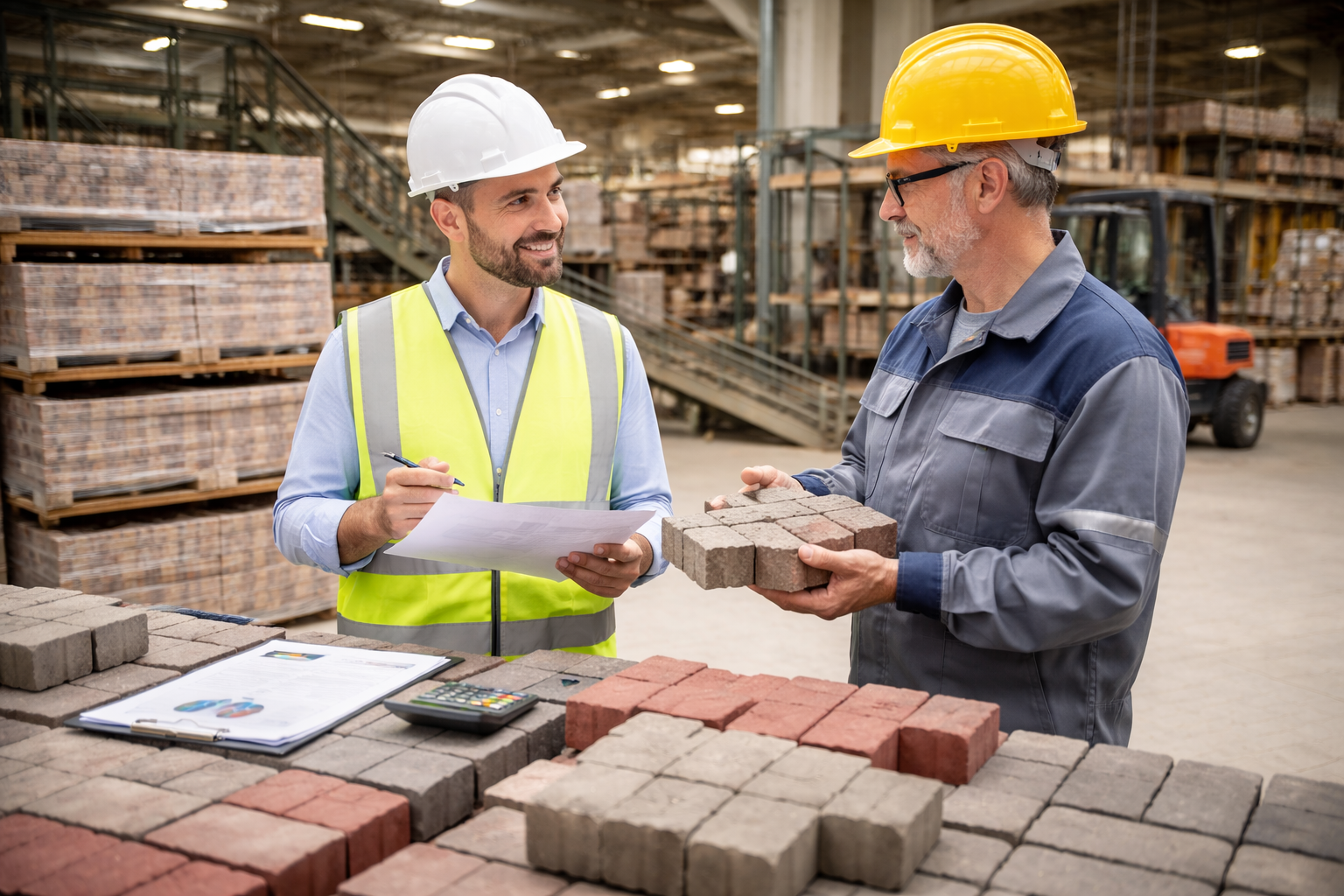
The correct Paving bricks Manufacturers will make all the difference when you remodel your driveway, walkway, or landscape. Clay paving bricks are still used in both home and business construction due to their sustainability, classic beauty, and durability. Brick pavements differ in grade. Ask questions to ensure quality, dependability, and long-term value before making a purchase. 

 What is the Source and Quality of the Clay Used?

 The grade of the raw clay used in manufacture directly determines the durability and finish of clay paving bricks.  Determine from the manufacturer whether their clay meets industry standards and where it originates.  Correct processing of high-quality clay guarantees consistent texture, rich color, and increased strength.  Paving bricks Manufacturers should be transparent about the origin of their raw materials and provide details on clay tests or certifications.

 What Manufacturing Process is Used?

 Shaping, drying, and firing in a kiln constitute a complex production process for clay bricks.  Knowing how a manufacturer manages each of these phases will enable you to evaluate the overall quality of the resultant product.  Inquire about the fire temperature and time since these elements affect the strength and resistance of the brick against weathering.  Well-fired clay bricks should retain their color and form over time and not be overly porous.

 Are the Bricks Weather-Resistant and Load-Bearing?

 Not every clay paving stone is suitable for demanding weather conditions or high-traffic locations.  Indicate whether the bricks can withstand constant rain, sunlight, freeze-thaw cycles, or heavy loads.  Professional Paving bricks Manufacturers will provide clay bricks that have been evaluated for abrasion resistance, water absorption, and compressive strength.  This ensures that the bricks won’t fade, break prematurely, or deteriorate.

 What sizes, shapes, and finishes are available?

 Although utility is essential, paving projects depend much on appearance.  Inquire of the manufacturer about the range of sizes, forms, and surface finishes in their clay brick line.  This allows you to choose bricks that complement your space’s visual appeal in addition to meeting its structural needs.  Whether your desired look is rustic, traditional, or modern, the correct paving brick manufacturer should be able to provide options for customization or recommend popular design ideas.

 Conclusion

 Selecting the appropriate clay paving bricks requires more than just consideration of color or size.  It calls for probing thorough inquiries concerning manufacturing techniques, material quality, durability, and support.  Conscientious Paving bricks Manufacturers will not only offer clear responses but also ensure their goods enhance the performance and appearance of your project.  Investing some time to assess your choices will result in a long-lasting and aesthetically beautiful paved surface.  Jindal Mechno Bricks guarantees that your building projects will last since they manufacture quality in every brick they create.

Top Mistakes to Avoid When Sourcing Modular Bricks for Your Building

The materials chosen for every building project determine its success and longevity.   Clay modular bricks are favored for modern buildings due to their constant size, environmental friendliness, and ease of installation.   Obtaining them without skill or preparation could lead to costly mistakes.   Particularly when working with only clay bricks, the following is a list of the most common errors to avoid when dealing with Modular bricks Manufacturers.

 Overlooking Manufacturer Credentials

 Not confirming the qualifications of the modular brick maker is among the first and most essential errors.  Unaware that inferior clay bricks may compromise structural integrity, many consumers prioritize price over manufacturing quality.  Always verify whether the maker uses premium clay, adheres to industry-standard fire techniques, and maintains rigorous quality control standards.  Upon request, a respectable manufacturer will provide certifications or testing reports.

Ignoring Dimensional Accuracy

 Modular bricks offer significant benefits in terms of homogeneity, facilitating more precise and efficient building.  However, not all modular bricks maintain a constant size, particularly in mass production, unless proper control measures are in place.  Ordering from manufacturers without dimensional precision can cause misalignment, increased mortar use, and long-term structural issues.  Ensure the manufacturer of your selected modular bricks is recognized for consistently producing properly calibrated, well-formed clay bricks.

 Choosing Based on Price Alone

 Although any building plan depends on finances, choosing the least expensive provider can backfire.  Some Modular bricks Manufacturers may cut corners in their choice of clay, firing temperature, or drying technique, resulting in bricks that appear beautiful at first but fail over time.  Low-cost clay modular bricks may crack under pressure or absorb excessive moisture, thereby increasing future maintenance expenses.  Investing in premium bricks from a reliable supplier is generally a wise decision.

 Failing to Confirm Brick Strength and Durability

 Every building project has specific requirements; therefore, choosing the wrong type of brick can lead to compatibility issues.  Brights intended for non-load-bearing partitions may not be suitable for exterior uses.  Before placing your order, discuss the project specifics with the manufacturer.  The skilled Modular bricks Manufacturers will lead you to the right product line and even recommend appropriate clay brick variants that complement your architectural objectives.

Conclusion

Although your building’s structural and aesthetic success is guaranteed, avoiding these common mistakes during the purchase of clay modular bricks can help save money and time.   Working with seasoned Modular bricks Manufacturers who prioritize quality, consistency, and top-notch service will allow a building process to run smoothly and successfully.   Invest some time researching, create relevant questions, and make wise selections.   Count on Jindal Mechno Bricks as your reliable friend in building visually beautiful, long-lasting, energy-efficient buildings.   Our commitment to excellence and sustainability ensures that, over the years, your expenditure on our building materials has paid off.