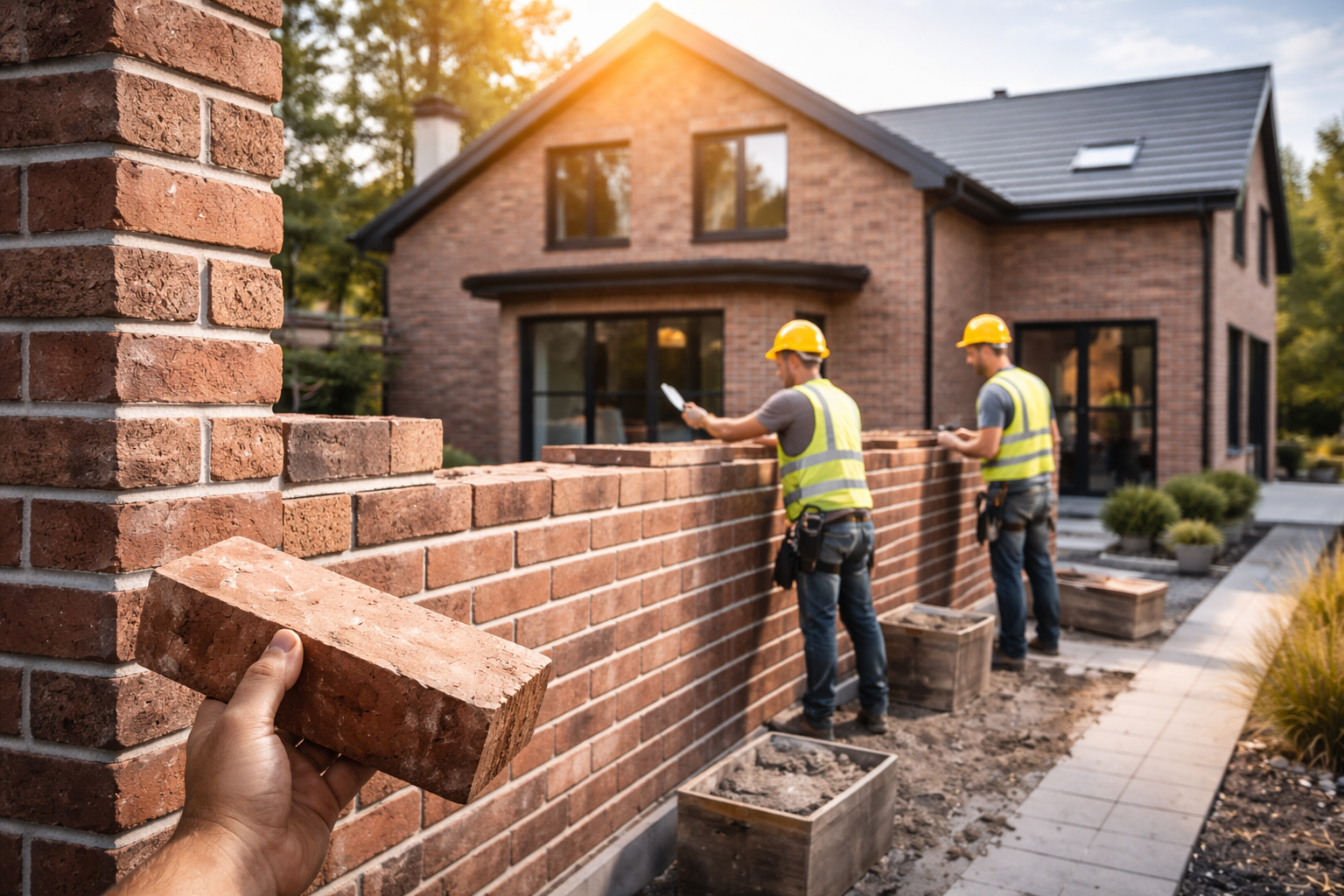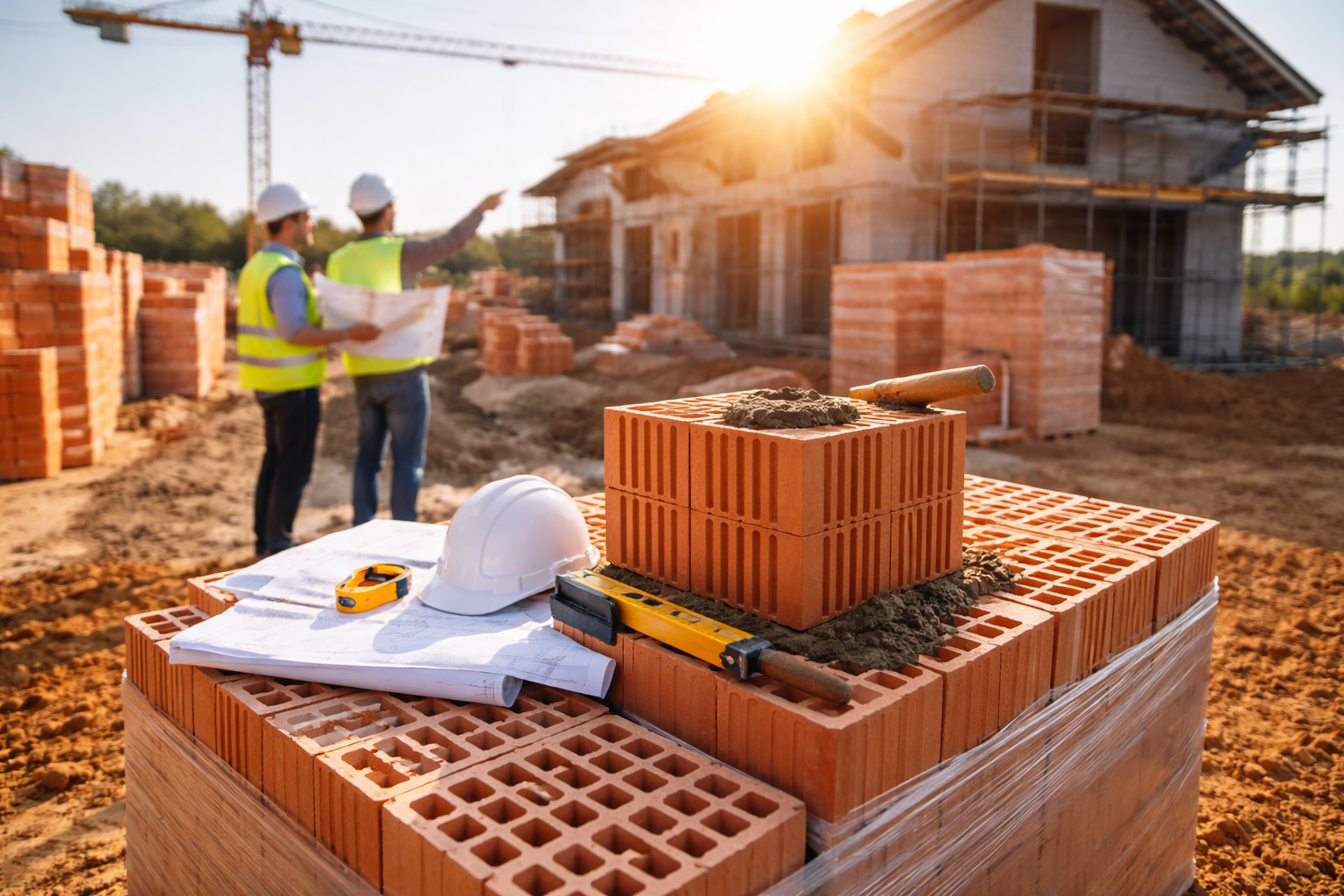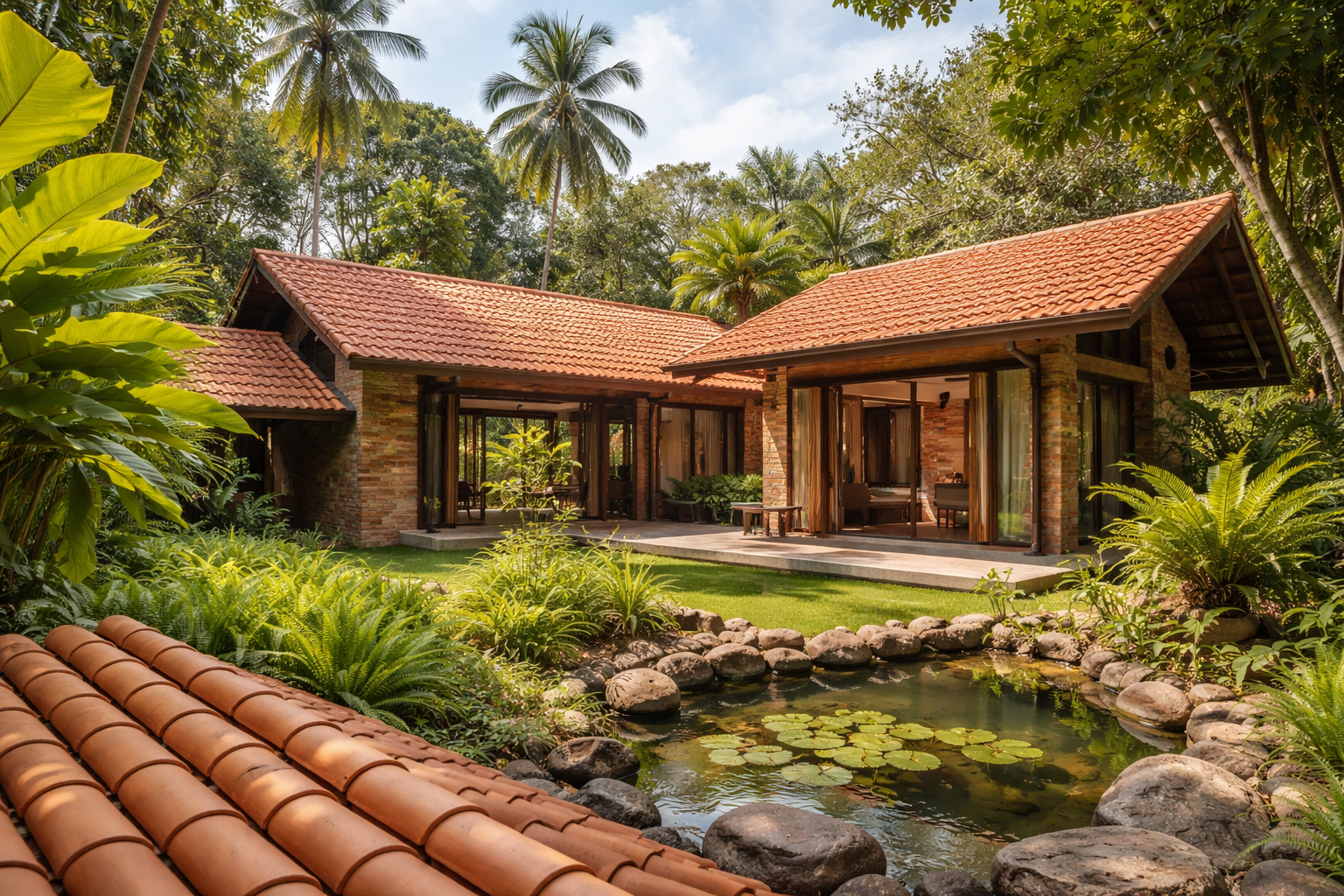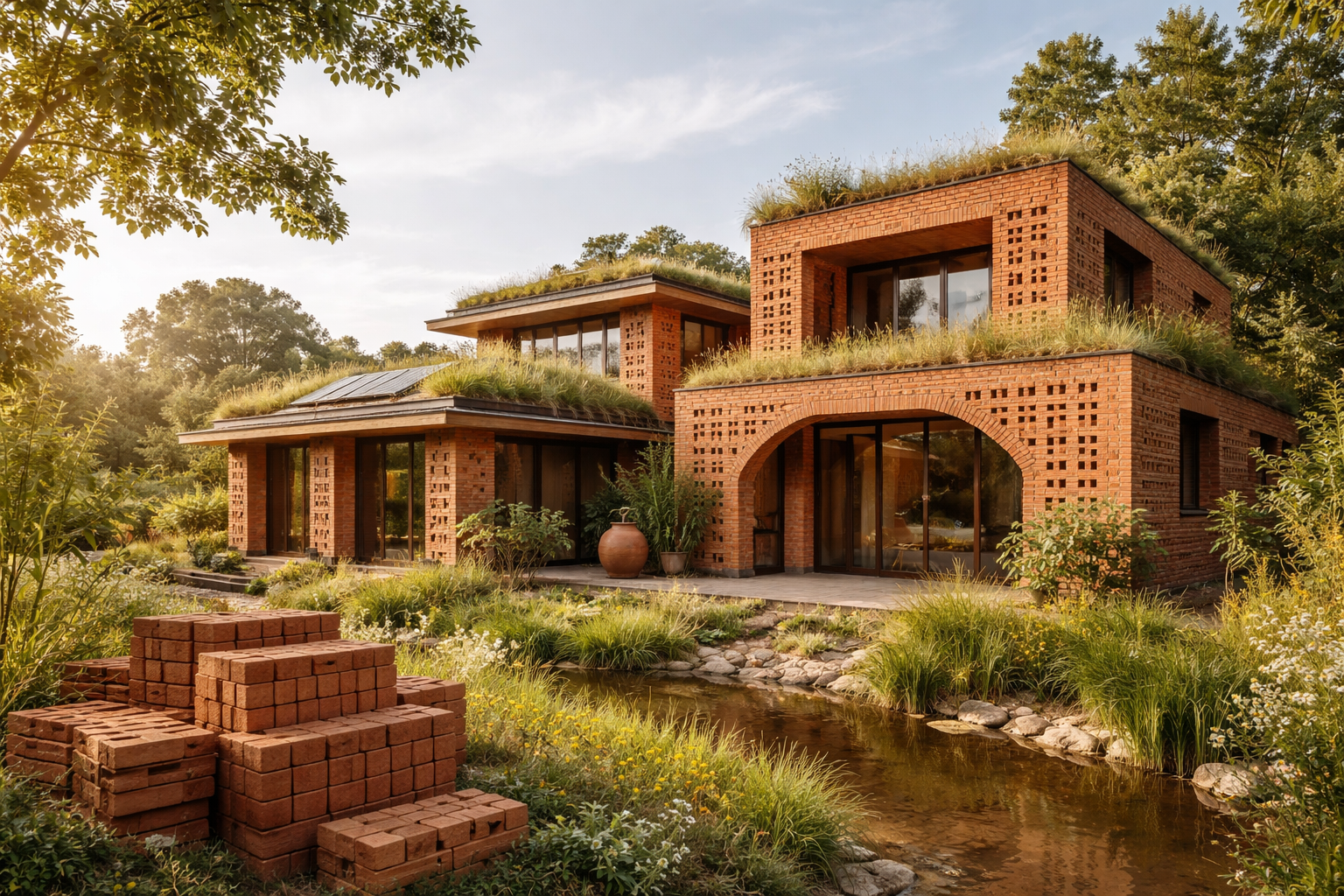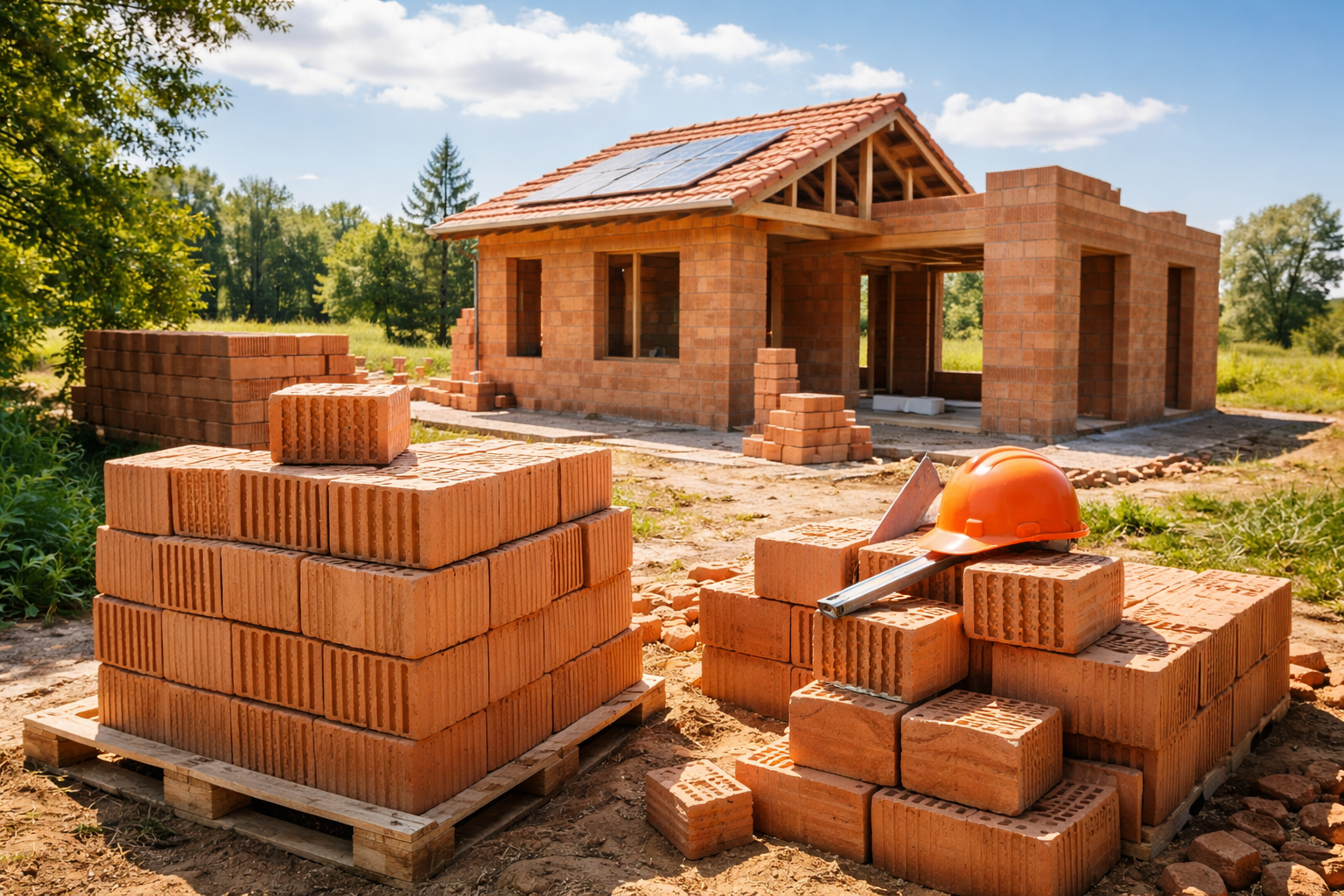
The modern building sector is increasingly moving toward durable and environmentally friendly building materials. Among the changing needs of environmental responsibility and architecture, clay bricks remain a preferred choice for developers and builders. Practical and long-lasting for all kinds of buildings, clay bricks are well-known for their strength, energy economy, and low environmental impact. High-quality bricks Manufacturers ensure these classic materials satisfy modern standards for performance and sustainability.
Natural Composition and Eco-Friendly Production
Clay bricks are made from natural, readily available resources like clay and shale. Compared to conventional synthetic building materials, these raw components undergo little processing, lowering production energy consumption. Advanced kiln technology is applied in facilities run by High-quality bricks Manufacturers to maximize fuel economy and reduce emissions, guaranteeing a responsible manufacturing process.
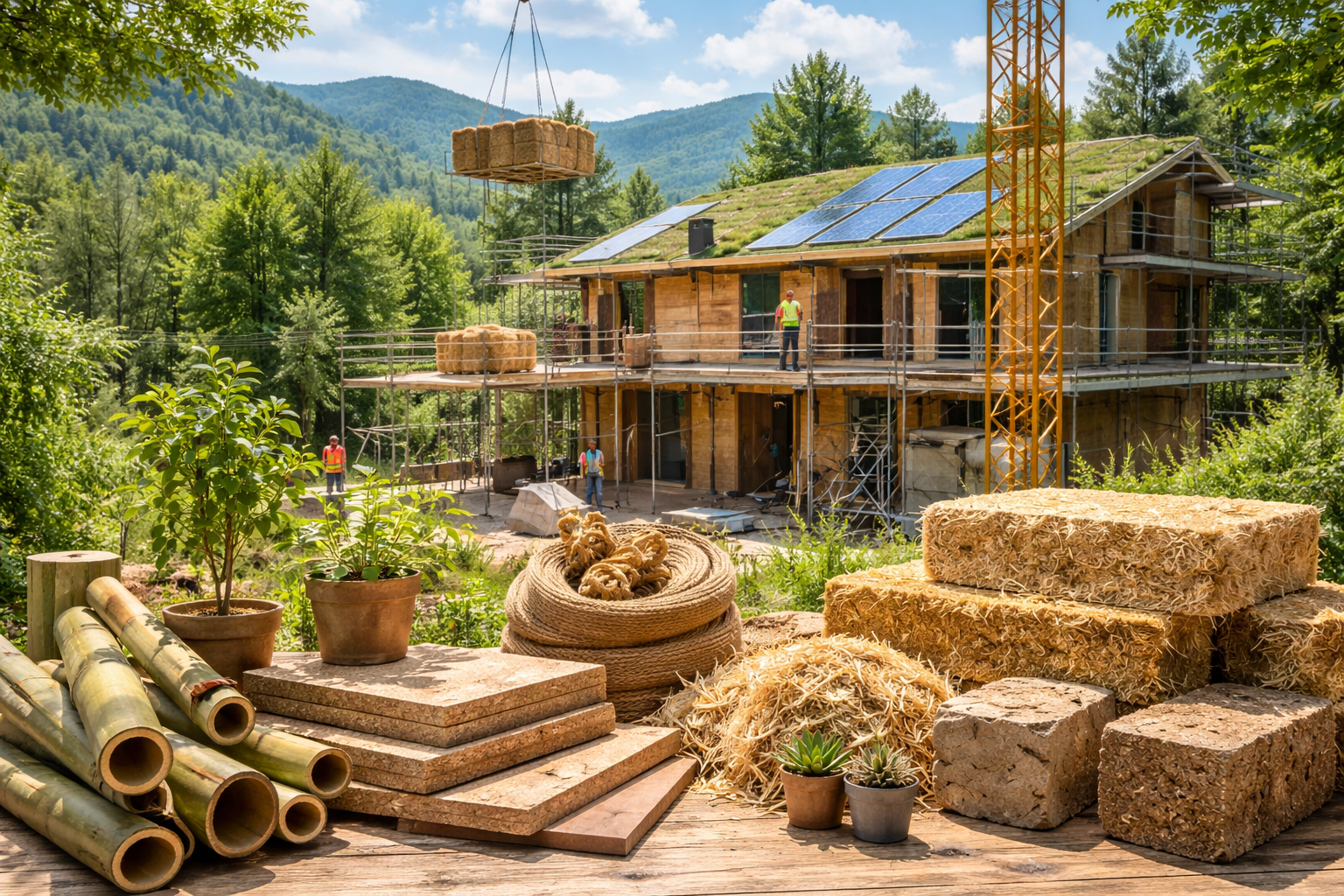
Clay bricks differ from synthetic or concrete substitutes in that they do not mostly depend on chemical additions or non-renewable resources. From a sourcing and manufacturing perspective, this makes them a more ecologically sensitive alternative.
Longevity that Minimizes Waste
One of the best justifications for clay bricks is their excellent longevity. If correctly maintained, clay brick buildings can stand for generations without much deterioration. This lifetime minimizes the need for regular repairs or replacements, lowering building waste over time.
Brick buildings built from High-quality bricks Manufacturers are less prone to problems such as structural collapse, spalling, or cracking. This helps the building be sustainable since it lowers resource consumption, labour expenses, and disturbance resulting from renovations.
Energy Efficiency and Thermal Insulation
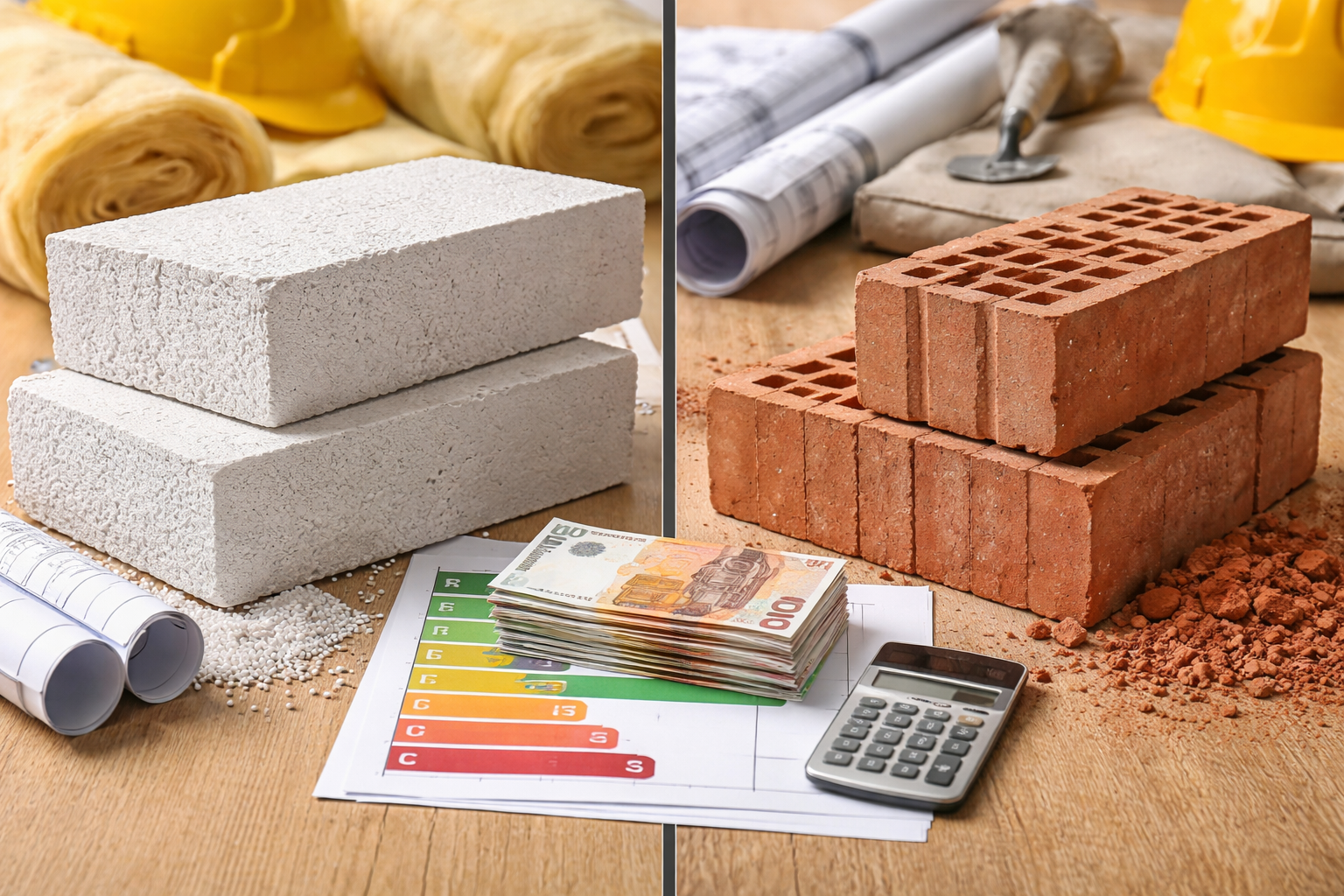
Clay bricks’ thermal insulating qualities are outstanding. They can keep indoor temperatures year-round by holding heat during the day and releasing it at night. This thermal mass reduces household and business energy use by reducing synthetic heating and cooling.
High-quality bricks Manufacturers may undergo extensive testing to ensure their goods either meet or surpass industry norms for the energy economy. This makes clay bricks not only a sustainable option but also a wise investment over time for financial savings.
Resistance to Fire, Mold, and Pests
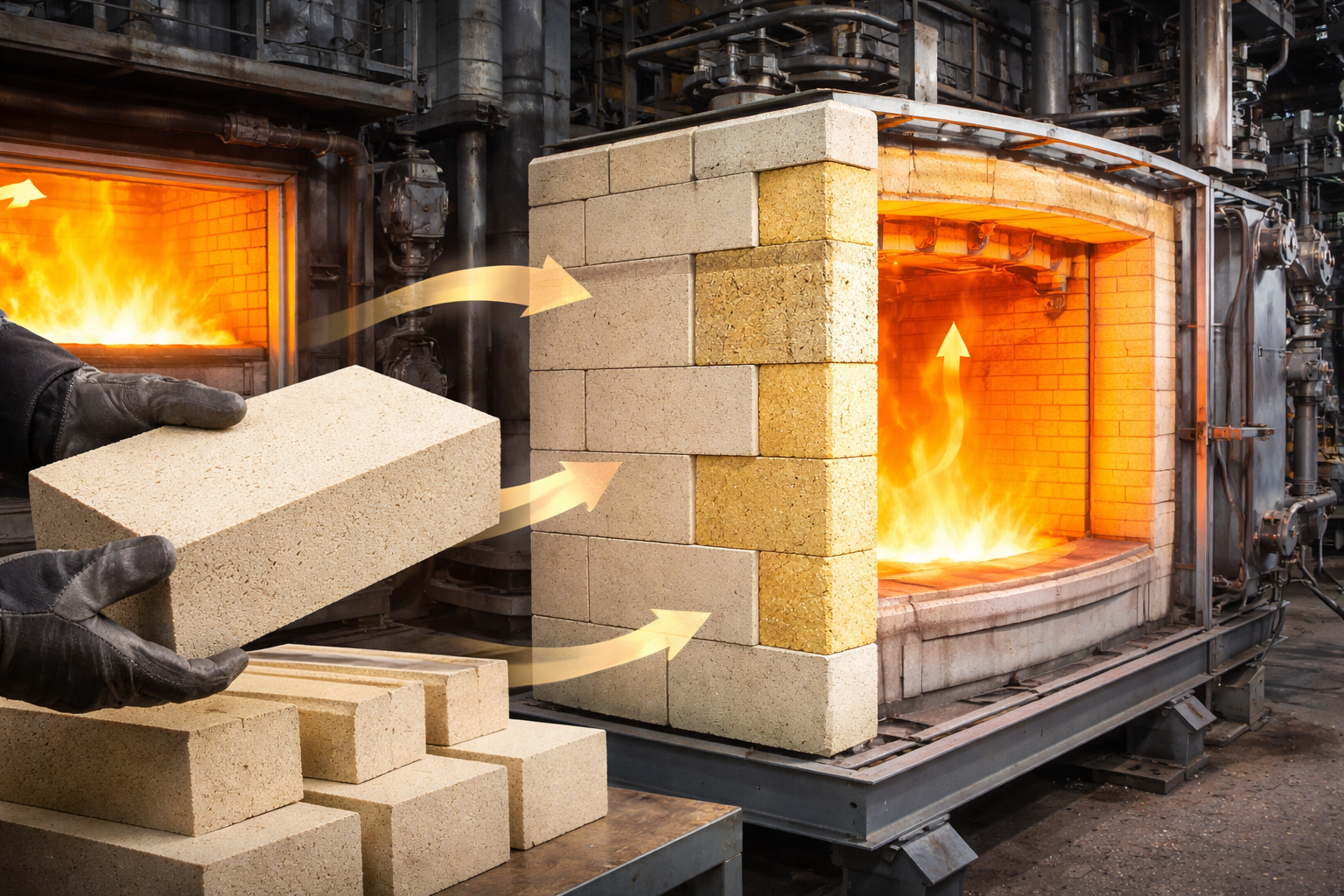
Besides their energy-efficient properties, clay bricks naturally resist several prevalent environmental threats. A safe and low-maintenance choice for building, they do not burn, degrade, or encourage the spread of mould. Their non-organic makeup and density help discourage termites, which are known to compromise wooden buildings.
These built-in defences help the building be generally sustainable by lowering the possibility of damage and the necessity of chemical treatments or repairs.
Recyclability and End-of-Life Use
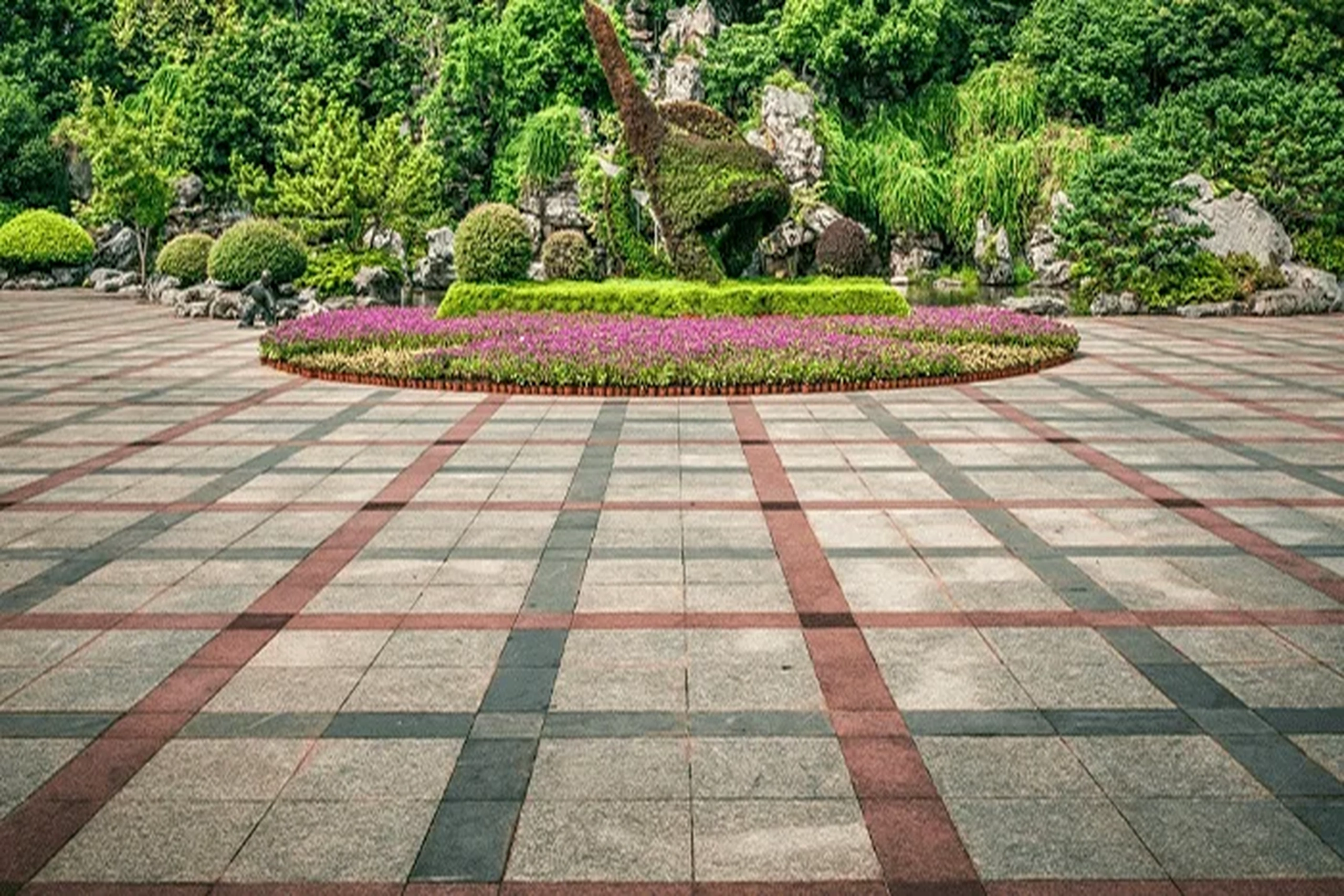
Once a clay brick building approaches the end of its lifetime, the bricks themselves are not thrown away. Often salvaged and employed in fresh projects, they can also be ground down for use in building fill or used as landscaping components. Clay bricks’ recyclability fosters a circular economy and helps to further lower the material’s environmental impact.
High-quality bricks Manufacturers are very important in this lifetime since they create bricks that last several decades of use and maintain structural integrity when recycled.
Conclusion
Clay bricks present a potent mix of sustainability, durability, and performance. Given their natural origin, low environmental impact, and long-term durability, modern building needs would be best suited for them. When obtained from premium brick producers, clay bricks provide a consistent basis for ecologically conscious, long-lasting constructions. You can be sure that Jindal Mechno Bricks will make sure that your building projects last because they put great care into every brick they make.