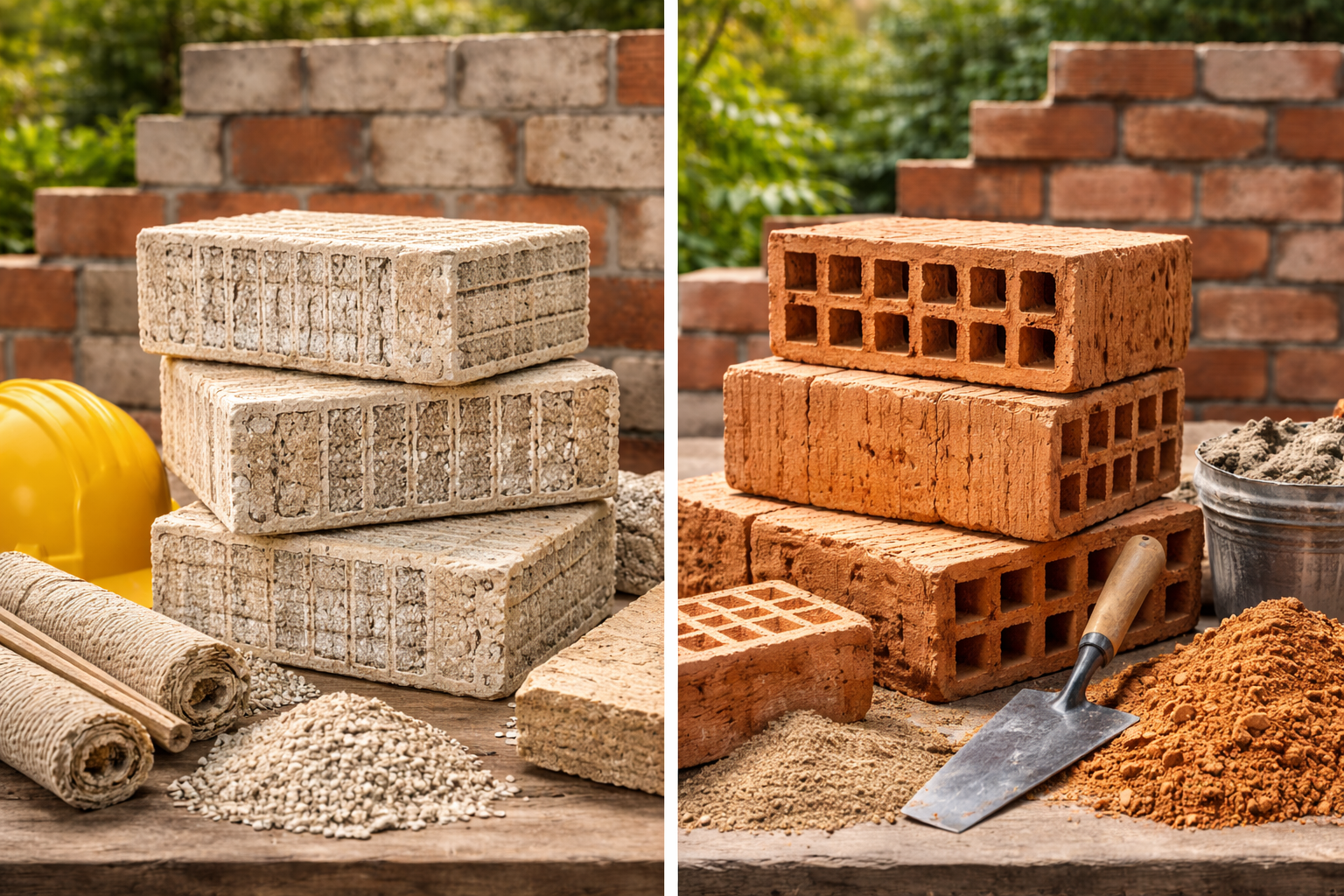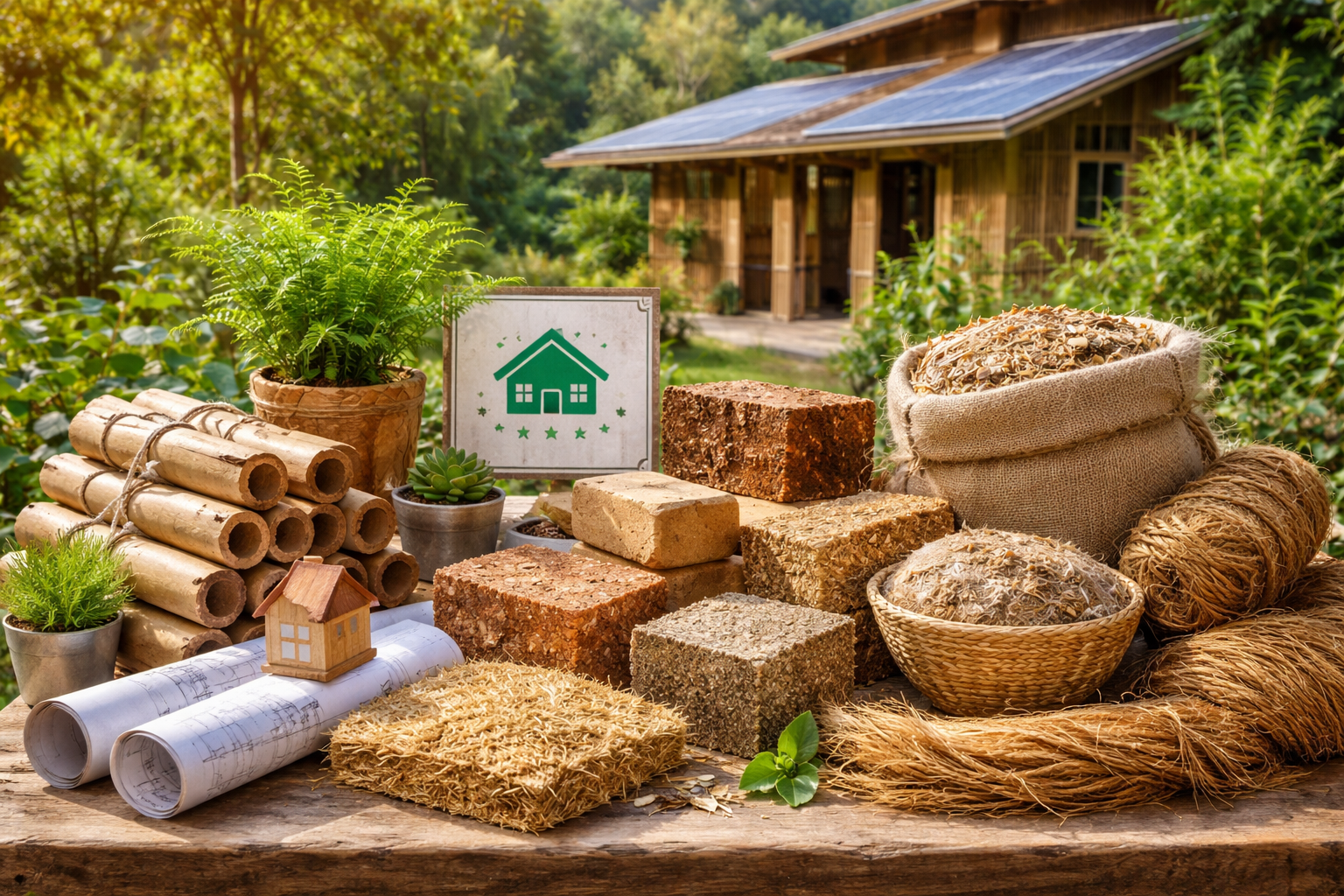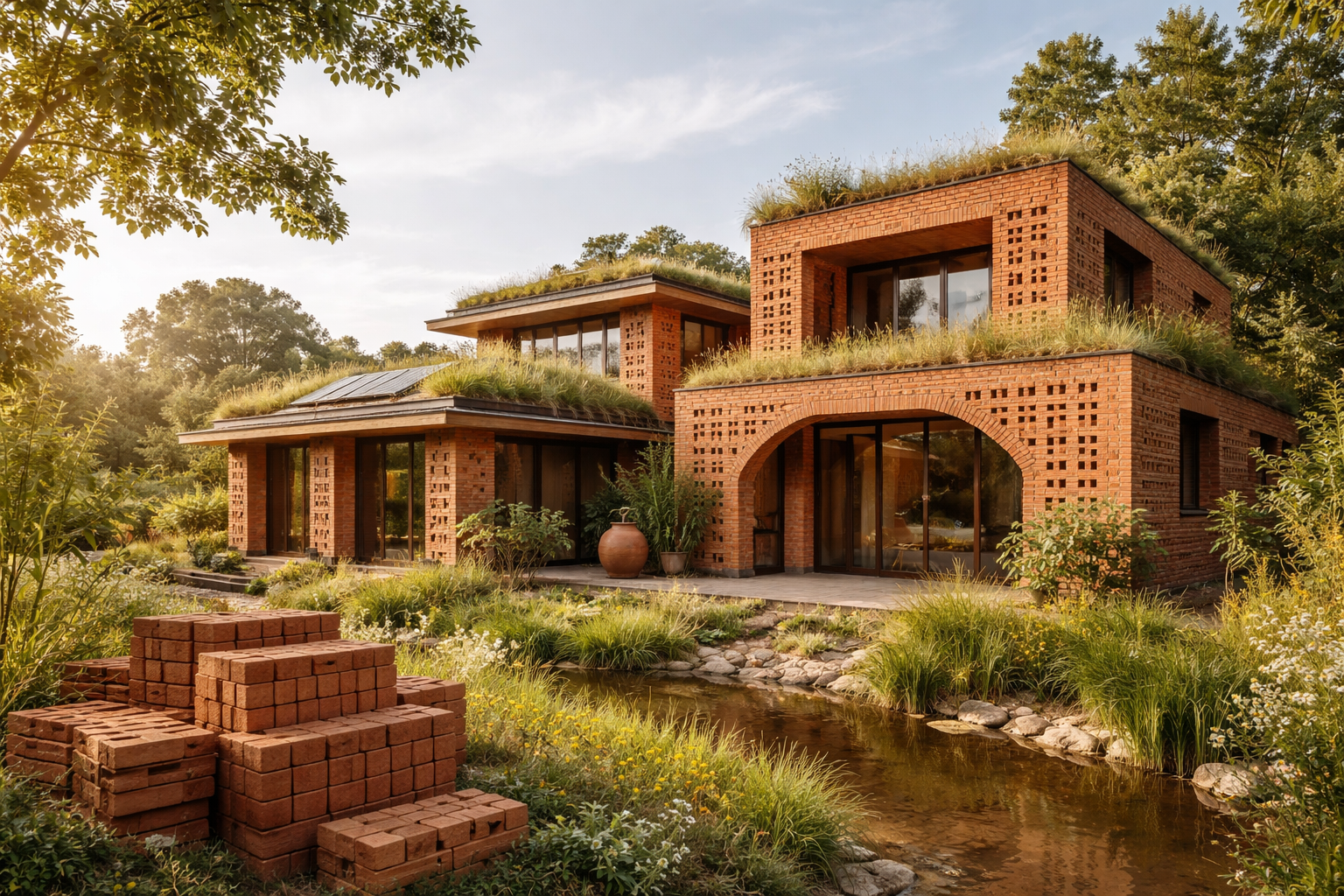
Why Clay Brick is the future of Eco-Friendly Architecture?

As the world moves towards green building and sustainable development, builders and artists use traditional materials. Clay brick is an environmentally friendly, durable, and attractive option, making it a future-ready choice. Long before the phrase “eco-friendly architecture” became popular, people in India had been utilising clay to build for hundreds of years. This method is still used today.

Our Timeless Clay brick Legacy 

Clay brick architecture has long been a symbol of strength, sustainability, and timeless design. In India, structures like the Qutub Minar in Delhi, the world’s tallest brick minaret, highlight the ingenuity of early Indian builders. Similarly, the ruins of Nalanda University in Bihar once a global center of learning reflect the sophisticated use of baked clay bricks in ancient institutional architecture.

Internationally, clay brick has played a central role in iconic constructions. The Ziggurat of Ur in Iraq, dating back to 2100 BCE, is one of the earliest examples of monumental brickwork. In contrast, the St. Pancras Renaissance Hotel in London stands as a 19th-century marvel of Victorian brick architecture.

As sustainable construction practices gain momentum, clay brick is being rediscovered for its natural insulation, longevity, and low environmental impact. These heritage structures remind us of clay’s enduring relevance in both historic and contemporary architecture.

Naturally Sustainable and Climate-Responsive

Clay bricks brick are one of the most environmentally friendly choices you can make right now.   They utilise natural materials that are readily available and easily accessible. They also use less energy to make than artificial materials. Unlike items that have been chemically treated, clay doesn’t release any harmful chemicals or pollutants. It doesn’t significantly harm the environment, which makes it an excellent choice for green building standards and healthy building practices.

In terms of its effectiveness, clay is an excellent heat absorber. This makes houses cooler in the summer and warmer in the winter, so they require less air conditioning. It allows moisture to escape instead of getting trapped, so the inside stays dry, and there is a lower chance of mould or other water-related problems. Since India has a diverse range of weather conditions, clay works well there.

Beauty That Evolves with Time

One great advantage of clay bricks tiles is that it retains its appearance over time. When fake things fade or wear out, clay stays beautiful. The time it spends outside gives it a rich, worn look that only adds to its character. Putting clay bricks on the outside of a building gives it a unique look—they’re rough to the touch and beautiful in their simplicity.

The colours of clay are always in style, from dark brown to soft earth tones. This colour scheme not only looks good outside, but it also brings nature into towns, which makes buildings feel friendlier and more open.

Conclusion

There is a wealth of historical information that can help you design buildings more eco-friendly. This is very clear when we cover it with clay.   When builders choose an eco-friendly material, they also pay tribute to knowledge that has been passed down for hundreds of years while still meeting the needs of today. clay has a rich history and a promising future, so it’s not just a fleeting trend. It’s a way to live that won’t harm the earth in the long term.
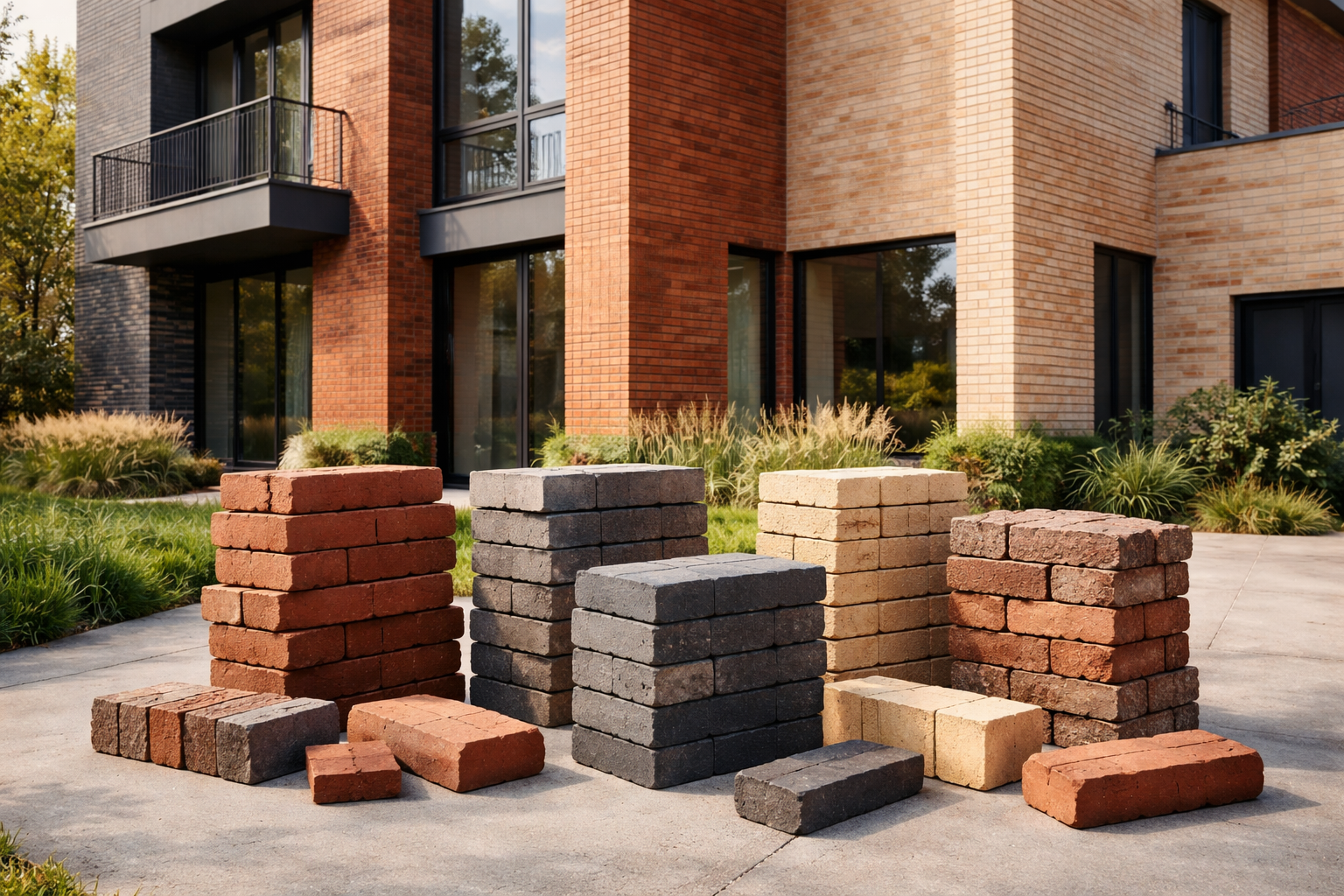
Why Builders And Architects Prefer Exposed Bricks Over Painted Walls?

In today’s building sector, architects and builders are constantly on the lookout for materials that combine strength, aesthetics, and durability. Despite painted walls’ long-term popularity, exposed brick has recently emerged as a superior option. Not alone because it’s currently trendy in interior design, but for other reasons as well, people are growing to appreciate it. It’s more worthwhile, practical, and long-lasting in the end.

Appearance Is Excellent

Compared to painted surfaces, the natural, earthy appearance of exposed bricks is hard to beat. Walls made of bricks have an enduring beauty due to the variety of colors and textures found inside them. Architects admire how exposed bricks provide warmth and authenticity to contemporary minimal designs and historic architecture. Applying a new layer of paint won’t accomplish that.

Sustainable and Low-maintenance

Painting and frequent maintenance are necessary for painted walls to prevent cracking, peeling, and fading. In contrast, exposed bricks are resistant to weather extremes without affecting their visual charm. They retain their beauty with time, making them an excellent material for low-maintenance structures that will endure for many years.

Design Flexibility

You can utilize exposed bricks as an exterior design element or as an eye-catching interior feature wall. Architects can use them in a wide variety of design styles due to their versatility. Their compatibility with other materials like glass, wood, and concrete allows architects a great deal of flexibility in their design. Due to their adaptability, they are suitable for upscale projects, as well as residences, workplaces, and retail.

Conclusion

As an alternative to painted walls, JMB’s exposed brick manufacturer provides a single solution that combines the aesthetic value of bricks with their durability, toughness, and longevity. They are more attractive to architects due to their long-lasting appearances, and they require less maintenance due to their resilience. By producing exposed bricks, JMB manufacturer enables architects and builders to create practical spaces, aesthetically pleasing, and enduring.


Why Architects Prefer Brick Cladding: A Look at Jindal’s Range?

Builders who want to make a building look good and last a long time like to use brick cladding. It has a natural roughness that makes modern buildings unique and also makes it useful. It looks natural. There are many companies that sell brick cladding, but Jindal Mechno Bricks is one that people know and trust.

Appeal to Classical Beauty

Leaving the brick covering on the outside gives both the inside and the outside a warm, real look. It gives things a natural look that goes well with modern, industrial, and even simple styles. When bricks aren’t painted, they have a rough appearance that gives buildings character and depth, making them stand out.

Stay strong and last a long time

Open brick cladding is liked by architects for more than just the way it looks. It keeps the house safe, makes it last longer, and can handle changes in the weather. It’s a great choice for projects that need both style and power because of this.

Jindal’s selection of brick cladding

Jindal Mechno Bricks makes a lot of different types of brick cladding to meet the needs of different buildings. Their goods are accurate, last a long time, and are simple to make in many ways, so they can be used in homes and companies. A lot of builders in India trust Jindal because of the quality control process.

Conclusion

Builders who want to find a mix between style, durability, and being good for the environment still like brick cladding. The new Jindal Mechno Bricks give projects a look that is both classic and modern, and it will last.

What Makes Jindal Mechno Bricks Different from Ordinary Clay Bricks?

The fact that Jindal Mechno Bricks manufactures clay bricks shows the level of commitment to quality and consistency.  Quality control is high at all the manufacturing processes of the product since the stage of acquiring the raw materials (clay winning) to delivery of the completed product.  However, what are the most valuable aspects that make Jindal Mechno Bricks a producer of clay bricks?


 It begins with the raw resources.  Companies producing the bricks have their laboratories on-site or collaborate with external labs that test the chemical composition and other physical characteristics of the clay and other raw materials before they are employed in production.  This ensures that they meet the needs of the end product.


What are the good things of using clay bricks from Jindal Mechno?

 There are numerous good things about clay bricks that you can’t talk about without mentioning them:

  • Long-lasting 
  • Low maintenance 
  • Energy-efficient 
  • Cheap 
  • Highly attractive 

 A lot of other clay brick makers have come along, but very few have the same attributes as these. 


Because they have lasted so long, our bricks are now an integral component of everyday life. Architects are continually searching for methods to make buildings better for the environment since many people are learning about how building initiatives harm the environment. Clay bricks constructed from materials found in the area have a long life cycle, which benefits the environment.  This makes them the best choice for building a home that is beneficial for the environment and doesn’t cost too much.


 In the business world, Jindal Mechno Bricks stands out because they always pay attention to the little things and make sure the quality is always great. Jindal Mechno Bricks works hard to make sure that every clay brick satisfies the standards and works well, no matter what kind of building project it is.

What Are Decorative Bricks and Why Are They Perfect for Modern Homes?

The search for materials that provide both durability and visual appeal in modern architecture and interior design has helped ornamental bricks become increasingly popular. Beyond their conventional structural use, these Decorative bricks for homes Manufacturers are increasingly fundamental architectural components that enhance the visual attractiveness of homes. But why are ornamental bricks—what precisely are they—becoming a mainstay in contemporary homes?

Understanding Decorative Bricks

 Particularly made building components with an eye toward beauty are decorative bricks.  Unlike common bricks used largely for structural purposes, ornamental bricks focus on surface texture, color, shape, and polish. Made from clay, they can be fashioned in countless shapes, styles, and finishes.

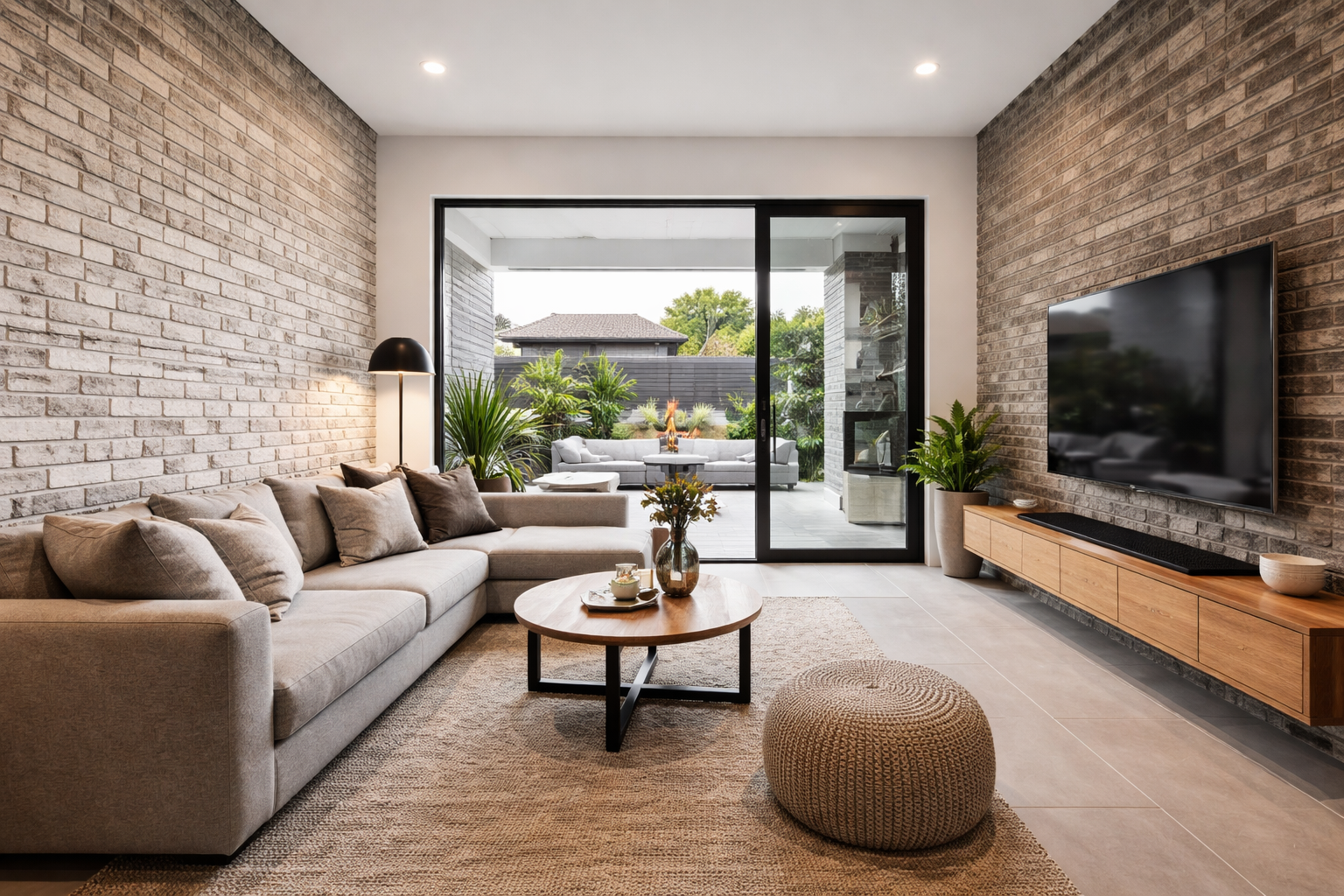
 These Decorative bricks for homes Manufacturers are not only for outside use but are frequently used in interior design to build feature walls, fireplace surrounds, kitchen backsplashes, and garden paths.     Their considerable adaptability in application results from their ability to reproduce rustic textures, natural stone, and even modern geometric designs. 

Blending Aesthetics with Functionality

 The twin advantage of Decorative bricks for homes Manufacturers —they are as useful as they are beautiful—defines them really. These bricks preserve the strength, insulating quality, and lifetime of conventional masonry while helping to define a space visually.

In modern homes where simplicity and natural textures are in trend, ornamental bricks give a physical and visual contrast to clean, polished surfaces.   Applied sparingly to highlight architectural details or generally to cover entire walls, they have a classic look that synthetic materials sometimes find difficult to match. 

 Customization and Versatility

 The flexibility of ornamental bricks in design is one of the primary factors making them perfect for modern houses.  Today’s homeowners want customized living areas that capture their taste and way of life.  From earthy terracottas to industrial greys and whites, decorative bricks range in finish from matte, glazed, antique, and weathered and in many colors.

 This great range makes it simple to match or work with other architectural components such as glass, metal, or wood.  Manufacturers can provide custom brick designs to appeal to designers and architects wishing to challenge artistic limits.

Low Maintenance and Durability

 Modern house owners value low-maintenance, long-lasting materials. Ornamental bricks satisfy this market really nicely. Brick surfaces are durable and demand little maintenance, unlike painted or wallpapered walls that call for regular touch-ups or replacement. Ideal for indoor and outdoor use, most Decorative bricks for homes Manufacturers resist moisture, UV light, and surface abrasion.

 Moreover, their natural look usually ages naturally, improving a house’s character with time instead of degrading its look.

Eco-Friendly Appeal

 Modern buildings are giving increasing importance to sustainability. Many beautiful bricks are produced locally from locally available materials and with environmental conscience in mind. Others even use repurposed materials. This eco-friendly feature adds even more appeal among homeowners trying to lower their carbon footprint without sacrificing style.

 Conclusion

 For contemporary homes, Decorative bricks for homes Manufacturers are a useful, elegant, and sustainable choice far more than a fashion trend.  Their unique material for exterior facades and interior spaces is their capacity to combine classic appeal with modern design.  Decorative bricks are likely to be a mainstay of contemporary buildings as homeowners and designers keep giving authenticity and adaptability top priority.  Of all the building materials available in India, Jindal Mechno Bricks is the best.  Being the top brick manufacturing firm in India, they are well-known for turning out the best bricks for housebuilding.

Understanding the Manufacturing Process of Clay Bricks

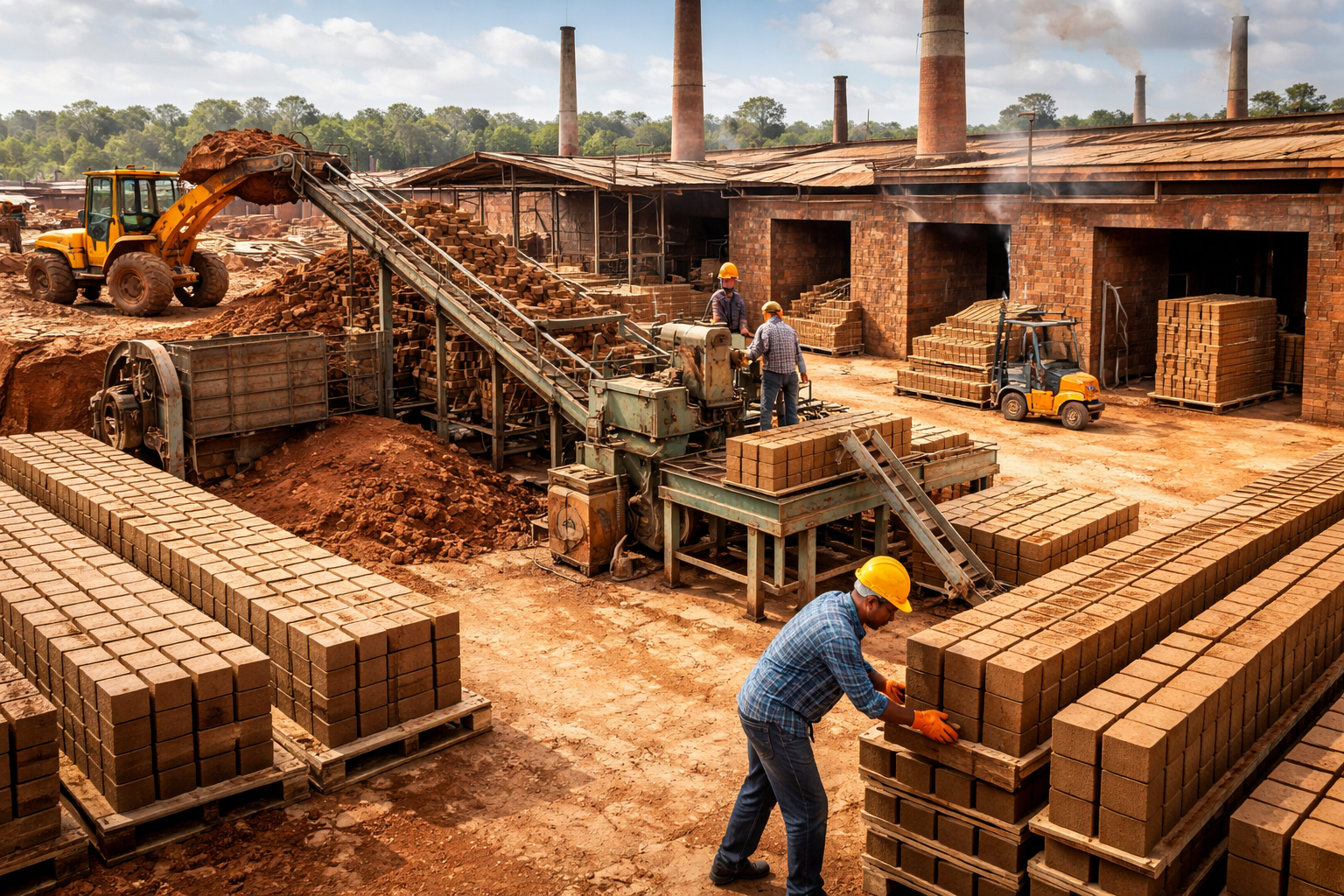
Clay bricks are made with clay that might sound easy, but the process of transforming it into hard and solid blocks is accompanied with meticulous steps. All the levels determine their strength, colour, and durability. Clay bricks should be prepared with accuracy whether they are to be used as homes, pathways or even as walls. The following is a direct and simple explanation of the process of the formation of these common building materials.


Clay Extraction


It is prepared through gathering of natural clay on the ground. Workers sieving the clay and clear away the stones or roots or undesired matters. This is aimed at achieving clean smooth clay that creates a solid base of strong bricks.

Clay Preparation and Mixing


The clay is then broken and blended with the water to make it soft and workable, in other cases, sand or other natural materials are applied to enhance texture. This is a mix that should be homogeneous with no lumps in it to prevent cracking of bricks in future.

Molding the Bricks


Molds are then used to shape the soft clay. Such molds may be pressed by hand or rolled. The bricks are made to be of the required size such that they perfectly fit in the construction process. The bricks are then dried for several hours

Drying Stage


The shaped bricks are dried thoroughly and either outdoors or in drying dungeons. This operation takes out the majority of the moisture. It is necessary to dry slowly, because when bricks dry too fast, they may crack.

Firing in Kilns


Lastly, the dried bricks are loaded into a kiln and heated at 100° C temperatures that are very high. The strength and colour of the bricks are provided by this process of firing that makes the clay hard.

Conclusion


All the steps are essential in making robust and durable bricks from beginning with clay to kiln. This knowledge will make you realise that there was a work of an art in every wall constructed using clay bricks.


Top Features to Look for in Low-Maintenance Bricks: A Guide for Architects

Modern architecture depends heavily on material choice for the lifetime, appearance, and maintenance of a construction. Though not all bricks are made equal, bricks remain among the most often used building materials. Low-maintenance bricks are starting to be the favoured option of architects as sustainable and efficient design becomes increasingly important. Working with reputable, Low-maintenance bricks Manufacturers helps those in material procurement guarantee the ideal mix of quality, performance, and appearance.

Weather Resistance

 Extreme weather resilience is one of the essential qualities low-maintenance bricks should possess. Over time, bricks should maintain their structural integrity and look, whether subjected to frigid temperatures, intense sunshine, or heavy rain. Less moisture-absorbing bricks are particularly helpful since they are less likely to crack, erode, and show efflorescence. Because trusted Low-maintenance bricks Manufacturers use modern production techniques to improve weather resilience, these bricks are perfect for many different climatic environments. 

 Many architectural designs depend on color uniformity and visual appeal.  Low-maintenance bricks should remain their natural color for years without surface treatments


 Fade-Resistant Color and Finish or repainting.  Natural pigment bricks combined with UV-resistant coatings offer long-lasting visual appeal with little maintenance.  This is especially important in outside facades since the whole design impact depends on homogeneity and appearance.

Stain and Dirt Resistance

 Urban or heavy-traffic buildings often encounter filth, dust, and pollutants.  A useful way to reduce continuing maintenance is with bricks that demand little cleaning and resist discoloration.  Some low-maintenance bricks are treated with surface sealants that stop dirt from adhering, so occasional washing is enough to keep them looking good.  Leading Low-maintenance bricks Manufacturers sometimes provide product lines designed to fight stains and surface degradation.

Strength and Durability

 Beyond appearance, bricks must be structurally strong and withstand wear over time. For bricks that must withstand physical stress and environmental wear, high compressive strength, resistance to chipping, and low porosity are vital. Because durable bricks lessen the possibility of repair or replacement, they help to cut maintenance expenses during the lifetime of the construction. Low-maintenance solution manufacturers usually go through thorough quality control to guarantee constant durability criteria.

Sustainable Manufacturing

 As sustainability takes centre stage, architects are increasingly choosing materials that have less effect on the surroundings.  Many Low-maintenance bricks Manufacturers today use environmentally friendly raw ingredients and energy-efficient manufacturing processes.  Low carbon emissions, recycled materials, and adherence to green building certifications help make these bricks a wise choice for projects with environmental sensitivity.

Conclusion

 For builders, selecting the appropriate brick is about long-term performance, design integrity, and low maintenance—not only about construction. Professionals may guarantee their projects last over time by concentrating on weather resistance, colour retention, stain resistance, strength, and sustainability. The first step toward reaching these objectives is working with trustworthy, Low-maintenance bricks Manufacturers. With the correct tools, architects may boldly create aesthetically pleasing, long-lasting buildings. With the third generation working in the brick-making company at Jindal Mechno Bricks, we have always emphasised client satisfaction as the secret to business success.


Building Smarter: How Thermal Insulation Bricks Are Powering Energy-Efficient Spaces

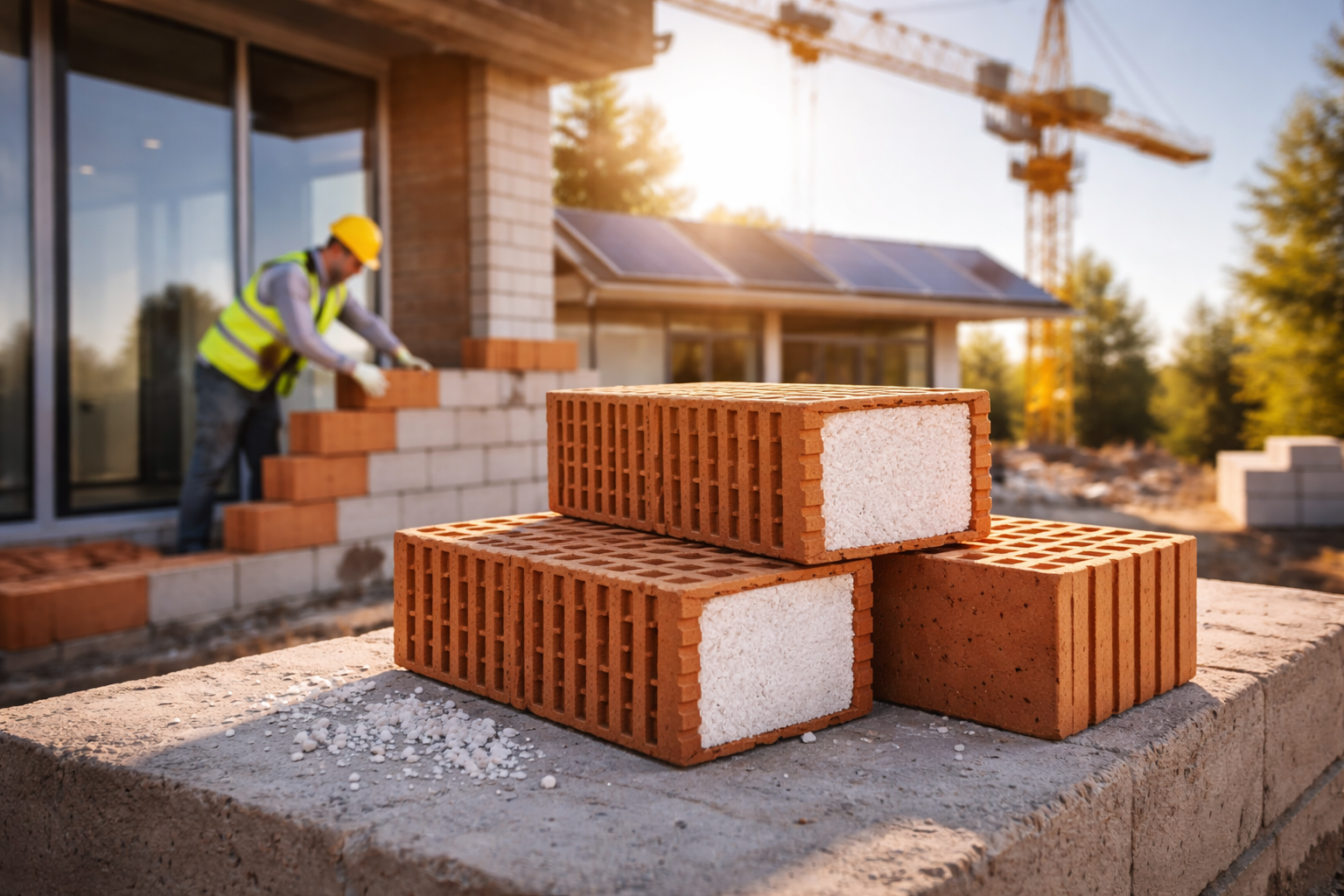
As the need for buildings that use less energy grows, companies that make thermal insulation bricks for buildings are coming up with better, more long-lasting solutions.  Clay bricks are the most popular of them since they last a long time and keep heat in quite effectively.  You don’t have to use as much artificial heating and cooling because these bricks assist maintain the temperature inside consistent on their own.  Now, builders, architects, and eco-friendly homeowners are looking for trustworthy companies that offer high-quality thermal insulation clay bricks that will save them money on energy expenditures and keep their buildings robust throughout time.

New Ideas at the Manufacturing Level

Manufacturers today don’t just make bricks; they also make sure that every unit has good heat performance. To get the best insulation, the bricks’ ingredients, how they are fired, and the structure’s density are all carefully managed. Manufacturers make solutions that are both energy-efficient and structurally sound by making bricks that fit the needs of the local climate and building rules.

Building Smarter with Thermal Insulation Bricks


Thermal insulation bricks for buildings manufacturers are becoming an essential part of environmentally friendly buildings. Because they can keep the temperature inside from changing too much, they need less help from HVAC systems, which means lower energy bills. These days, construction companies like to work with experienced makers of thermal insulation bricks for buildings because they ensure that each batch meets the established standards.

A Step Towards Greener Infrastructure

Environmental regulations and ecological certifications make high-performance insulating materials more important. Thermal insulation bricks for buildings Manufacturers cut emissions and improve comfort. Focusing on these commodities addresses existing demands and develops future ecologically responsible building design. 

Conclusion

The best way to build smart, energy-efficient, and low-maintenance structures is with thermal insulation bricks. These bricks can control temperature, lower energy bills, and don’t need to be painted or plastered, which makes them a great choice for modern construction. At Jindal Mechno Bricks, we’re proud to make premium bricks that offer superior thermal insulation, high compressive strength, and unmatched durability. With decades of experience and advanced European technology, we don’t just make bricks; we shape lasting legacies. Choose Jindal Mechno Bricks for construction that is stylish, and built to last.


Comparison Between Thermal Insulation Bricks and Traditional Clay Bricks

Modern buildings prioritise occupant comfort, sustainability, and energy efficiency. The choice of bricks determines one of the most crucial elements influencing these aspects. Although conventional clay bricks have been used for building for a long time, thermal insulation bricks are becoming a preferred choice in energy-efficient architecture. Specifically, from the standpoint of Thermal insulation bricks for buildings Manufacturers, this comparison investigates the differences between the two materials.

Thermal Performance

 The capacity of thermal insulation bricks to control heat defines them most from clay bricks. Although strong and somewhat inexpensive, clay bricks have a relatively high thermal conductivity. This allows heat to be transferred more readily, which is why indoor environments are affected by outside temperatures.

 Conversely, thermal insulation bricks are specifically designed to reduce heat transfer. They enable a consistent indoor temperature independent of outside circumstances. This function makes thermal insulation bricks a highly sought-after good for producers in areas with both extreme heat and cold.

 Energy Efficiency

 Because clay bricks absorb and release heat more rapidly, air cooling or heating systems may be used more frequently. Higher energy demand will follow over time.

 However, thermal insulating bricks significantly reduce the demand for mechanical heating or cooling. Built with these bricks, buildings have smaller energy consumption and support more environmentally friendly building techniques. For builders and developers who are environmentally conscious, this energy-saving feature of Thermal insulation bricks for buildings Manufacturers is a key selling point.

 Structural Weight and Load

 Relatively heavy traditional clay bricks significantly load the building frame. Although they offer a robust framework for multi-story or lightweight constructions, they might not be the most practical choice.

 Usually weighing less, Thermal insulation bricks for buildings Manufacturers are more uncomplicated to handle, move, and install. Another benefit manufacturers might highlight when promoting their products is faster building times and lower labour expenses resulting from their reduced weight.

 Moisture and Weather Resistance

 Although clay bricks are known to absorb moisture, improper maintenance can lead to structural deterioration over time due to humidity and mildew.

 Conversely, thermal insulating bricks resist moisture better and do not break down as quickly in reaction to different temperatures.   This increases their long-term durability, especially in humid or rainy climates.

Conclusion

While clay bricks have been used in construction for millennia, modern buildings require more intelligent, energy-efficient materials.   Clear benefits in terms of heat control, energy savings, moisture resistance, and environmental impact are evident in thermal insulation bricks. The growing market demand for Thermal insulation bricks for buildings Manufacturers indicates a shift toward sustainable construction techniques. These bricks are paving the way for the future of energy-efficient architecture as builders and developers seek innovative ideas. Jindal Mechno Bricks always makes world-class building materials because they follow an organized process and test their raw materials thoroughly.

The Role of Natural Materials in GRIHA Certifications

With GRIHA (Green Rating for Integrated Habitat Assessment) construction becoming the standard in the entire world, certification systems are aiding in identifying what truly constitutes a building that is environmentally-friendly. Both models share a similar emphasis on natural materials a thing which grows out of the ground and will conserve resources, consume less energy, and enhance health of the residents.

Why Natural Materials Matter

Natural building materials like clay, stone, bamboo, and wood are good for the earth in a number of ways that are in line with the main goals of green building certifications:

  • Low embodied energy during preparation and mining
  • How easy it is to recycle and break down at the end of its life
  • It gives off few chemicals, which makes the air inside better.
  • Thermal and soundproofing qualities that cut down on energy utilization

Using these materials provides to points in GRIHA systems under categories such materials and resources, indoor environmental quality, and energy efficiency. 

Supporting GRIHA Goals

The GRIHA says that you should use locally sourced, reused materials that produce little pollution. Building projects that meet these standards and look better at the same time can use natural materials like clay bricks or lime plaster.

The Indian company GRIHA works on using low-energy products and building in a way that doesn’t use a lot of energy. Natural goods from the area lower the need for transportation and help keep people warm, which is in line with India’s temperature zones.

Final Thoughts

To get green construction certifications like GRIHA, you need to use natural materials. For architects and builders pursuing sustainable excellence, they are an excellent option because to their low impact on the environment, possible energy savings, and health advantages. For certified bricks contact with Jindal Bricks.