
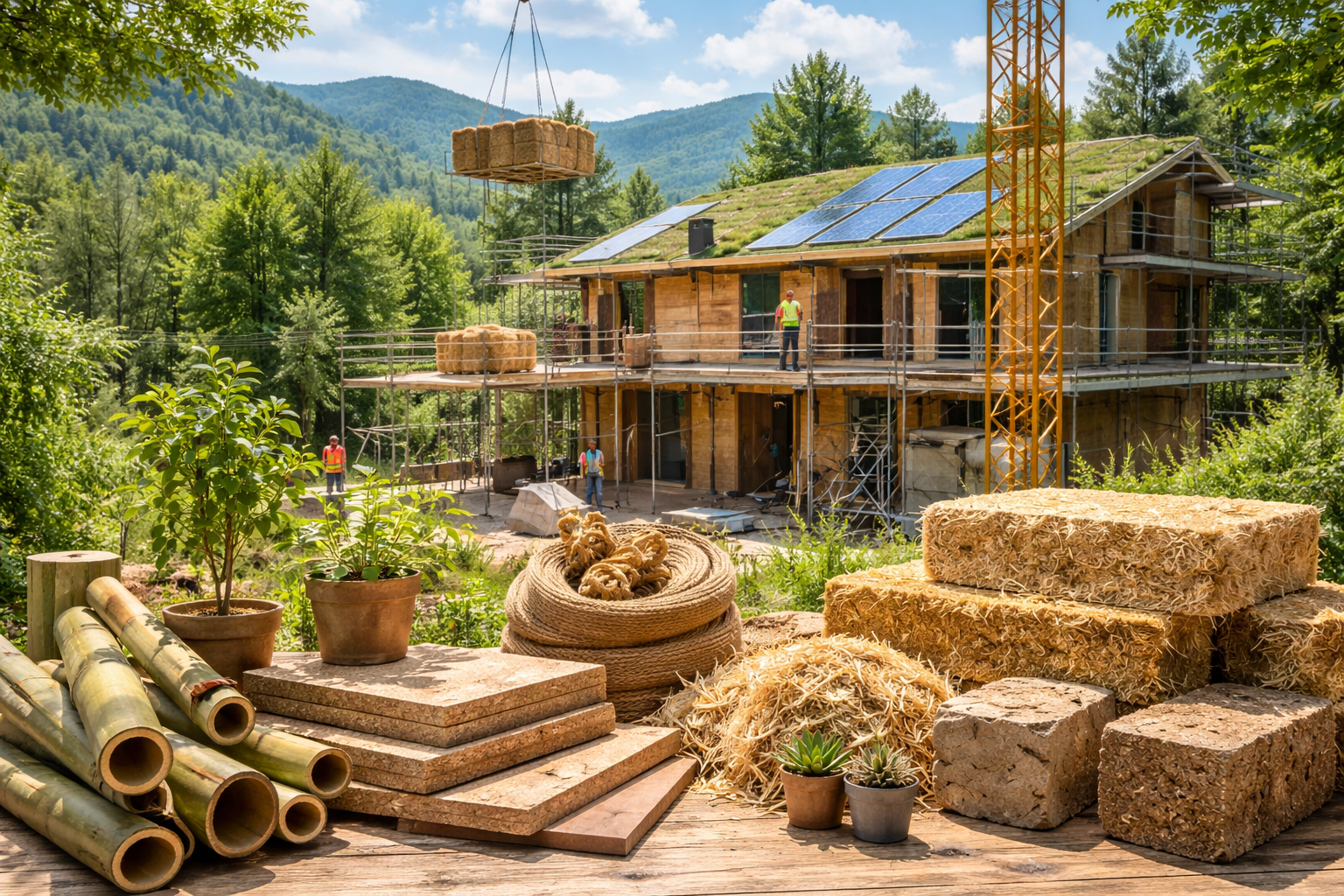
The global trend toward sustainable living is changing our space occupancy, building, and design. Fundamental to this transition is the green building movement, which aims to lessen building environmental effects. One of the key elements of this trend is the availability of environmentally friendly building materials together with the producers of them. Ensuring that the vision of greener cities and ecologically conscious design becomes a reality depends much on Sustainable building materials Manufacturers.
The Foundation of Eco-Friendly Structures
Choosing conscientious, low-impact materials starts with green building. Conventional building materials include other items that spew carbon into the air, resources that cannot be replaced, and energy-intensive materials. Build that lastingly environmentally using bamboo, repurposed steel, fly ash bricks, packed earth, and aged wood.
Manufacturers concentrated on sustainability invest in the study and development of such substitutes. They prioritize renewable, non-toxic, recyclable, energy-efficient materials so that the building’s lifetime has the least detrimental effect on the earth.
Driving Innovation in Green Technology
Sustainable building materials Manufacturers are stretching the envelope of invention rather than only creating finished products. They are always looking for better, greener ideas, from engineered wood that beats conventional lumber to self-healing concrete and insulation created from agricultural waste.
These advances improve thermal performance, lower a structure’s energy demand, and improve indoor air quality. The longer lifetime of many sustainable materials also helps lower the demand for regular repairs and replacements. This then helps to promote the long-term objectives of green building in waste reduction, resource economy, and energy efficiency.
Supporting Green Certification and Compliance
Developers hoping for certifications like LEED (Leadership in Energy and Environmental Design), BREEAM, or GRIHA must find suppliers of sustainable material makers. These certificates call for using building materials satisfying particular environmental and performance requirements.
Sustainable building materials Manufacturers not only create environmentally friendly products but also preserve openness through documentation, life-cycle analyses, and supply chain traceability. Their contribution guarantees builders and architects may satisfy certification criteria without sacrificing safety or quality.
Encouraging a Sustainable Supply Chain
A green building’s source and transportation of materials define it more than merely its composition. Sustainable building materials Manufacturers limit energy use in transportation, cut waste in manufacturing, and follow moral sourcing policies. Many even cooperate with nearby vendors to lower the carbon emissions connected with long-distance transportation.
These builders help to create a more sustainable supply chain by doing this, which is absolutely essential for the environmental integrity of green building projects. Designing goods that can be safely disposed of at the end of their life cycle, recycleable, or reusable helps them to advocate circular economy ideas.
Conclusion
The need for environmentally friendly building materials becomes more critical as demand keeps increasing. Their dedication to environmental responsibility, ethical behavior, and creative ideas forms the basis of a more sustainable, constructed environment. Without them, the goal of green building would remain unfinished. Hence, they are absolutely essential allies in the worldwide campaign for a better, more environmentally friendly future.
At Jindal Mechno Bricks, we know that designers and architects have creative ideas that occasionally call for unique sizes, forms, curves, and colors. To provide the finest available solutions, we have historically carefully collaborated with architects to understand their design needs and match them with the extent of customizing.