
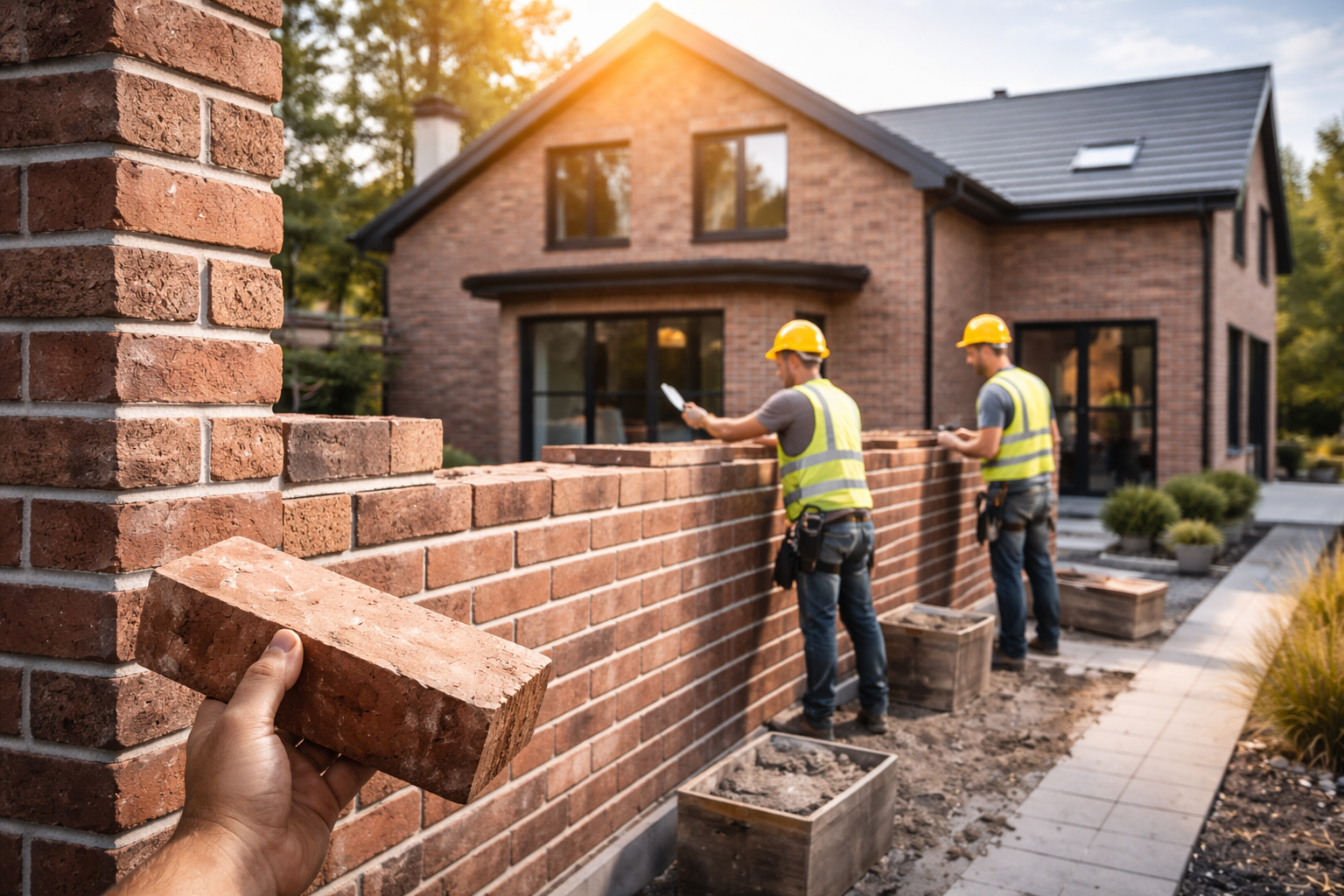
Building design in the fast-changing construction industry largely depends on efficiency, sustainability, durability, and affordability. Since projects focus more on long-term value and less care, low-maintenance bricks are becoming a preferred building material in houses and companies. This shift has created a demand for particular solutions offered by low-maintenance bricks manufacturers, who are redefining brick design and application in contemporary architecture.
The Shift Towards Long-Term Cost Efficiency
One of the main reasons low-maintenance bricks appeal is their ability to help reduce lifetime expenses. This is a sensible financial choice, even if the initial outlay is more than with conventional bricks, as long-term savings on repairs, repainting, and cleaning will pay off. Developers and property owners are beginning to give the whole cost of ownership more weight than merely initial construction expenses. Consequently, products with low maintenance and endurance are often sought.
Low-maintenance bricks fight common problems, including erosion, fading, and cracking. These features reduce the necessity for routine touch-ups, especially in high-rise buildings and major projects where outside maintenance can be costly and labour-intensive.
Meeting Sustainability Goals
Modern buildings now reflect environmental responsibility in addition to strength and beauty. Low-maintenance bricks help sustainability via longevity and the use of fewer resources over time. Many low-maintenance bricks manufacturers have also embraced greener manufacturing processes using recycled materials and energy-efficient burning techniques to lower their carbon footprint.
Low-maintenance bricks reduce the frequency of replacements and the usage of chemical-based cleaning agents or coatings, complementing the goals of green building certifications such as LEED or IGBC. This makes developers more desirable to those striving to meet legal criteria and corporate sustainability goals.
Enhanced Aesthetic Longevity
Modern architecture is mostly concerned with a structure’s capacity to remain visually appealing over the years. Sometimes, intensive cleaning, sealing, or repainting is necessary to keep classic bricks looking beautiful. Conversely, low-maintenance bricks are designed to resist weather-related damage, discolouration, and dirt accumulation.
These bricks are useful. These bricks are extremely helpful for façade treatments and decorative walls where consistency in colour and texture is vital. Leading low-maintenance bricks manufacturers use cutting-edge colouring and surface technologies to ensure that bricks remain aesthetically pleasing with little effort.
Performance in Harsh Environments
Buildings in urban settings, coastal areas, and industrial zones are exposed to pollution, dampness, and strong sunshine. While low-maintenance bricks are specifically designed to resist these problems, traditional bricks can break down more quickly under such conditions.
By providing better water resistance, UV protection, and thermal stability, they slow down structural degradation and help preserve building integrity over time. Therefore, they are perfect for modern cities where buildings have to function without continuous oversight or intervention.
Conclusion
Low-maintenance bricks’ increasing appeal reflects a larger change in building priorities—toward durability, sustainability, and economy. Property owners, developers, and architects all today see these materials’ long-term benefits. As demand rises, low-maintenance bricks manufacturers are becoming increasingly important in determining the direction of innovative, robust, and aesthetically pleasing construction. At Jindal Mechno Bricks, we know that designers and architects have design ideas that occasionally call for specific sizes, forms, curves, and colours. One such substance that may be moulded in many ways is clay; we enjoy challenging ourselves to explore the range of customizing.