
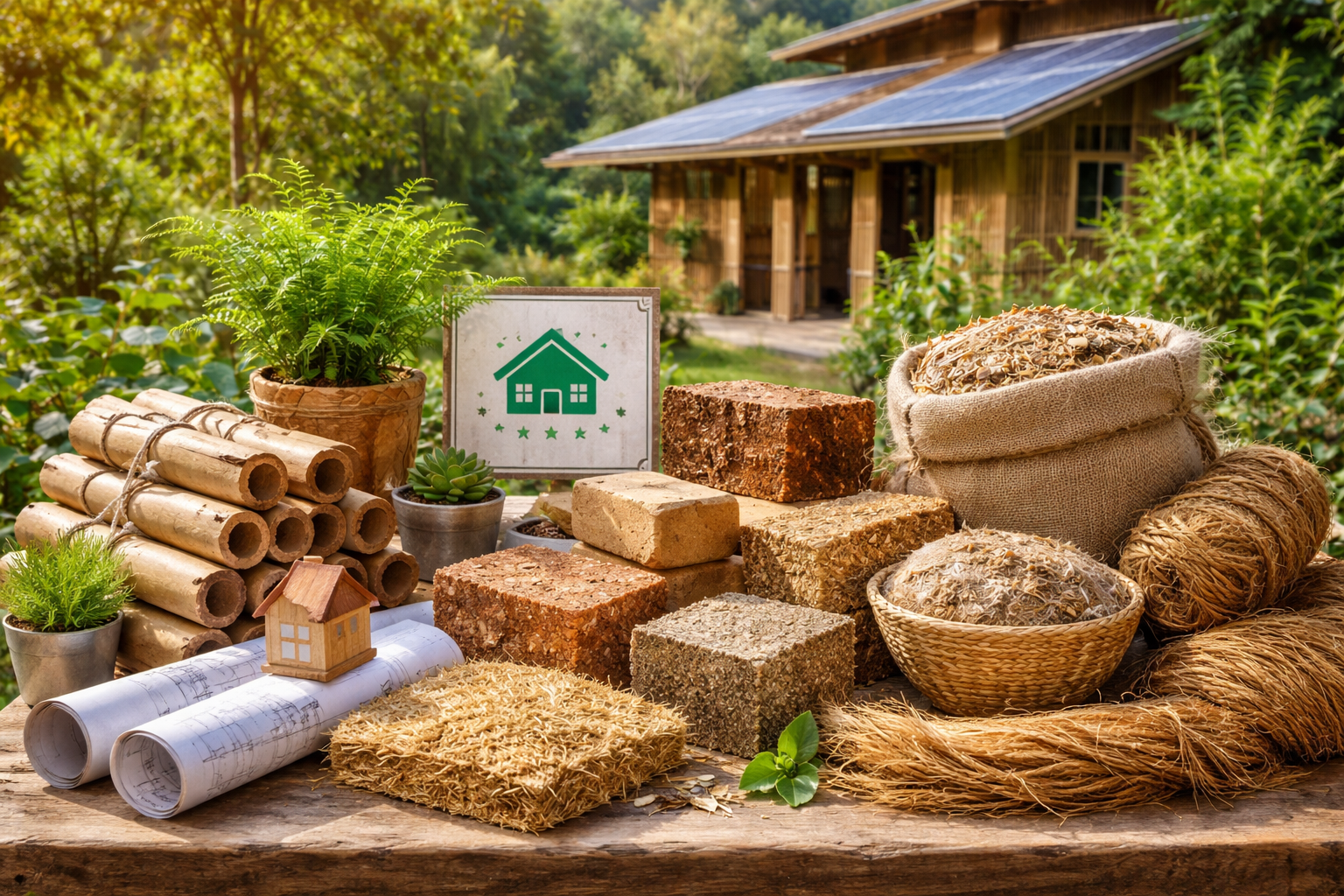
With GRIHA (Green Rating for Integrated Habitat Assessment) construction becoming the standard in the entire world, certification systems are aiding in identifying what truly constitutes a building that is environmentally-friendly. Both models share a similar emphasis on natural materials a thing which grows out of the ground and will conserve resources, consume less energy, and enhance health of the residents.
Why Natural Materials Matter
Natural building materials like clay, stone, bamboo, and wood are good for the earth in a number of ways that are in line with the main goals of green building certifications:
- Low embodied energy during preparation and mining
- How easy it is to recycle and break down at the end of its life
- It gives off few chemicals, which makes the air inside better.
- Thermal and soundproofing qualities that cut down on energy utilization
Using these materials provides to points in GRIHA systems under categories such materials and resources, indoor environmental quality, and energy efficiency.
Supporting GRIHA Goals
The GRIHA says that you should use locally sourced, reused materials that produce little pollution. Building projects that meet these standards and look better at the same time can use natural materials like clay bricks or lime plaster.
The Indian company GRIHA works on using low-energy products and building in a way that doesn’t use a lot of energy. Natural goods from the area lower the need for transportation and help keep people warm, which is in line with India’s temperature zones.
Final Thoughts
To get green construction certifications like GRIHA, you need to use natural materials. For architects and builders pursuing sustainable excellence, they are an excellent option because to their low impact on the environment, possible energy savings, and health advantages. For certified bricks contact with Jindal Bricks.