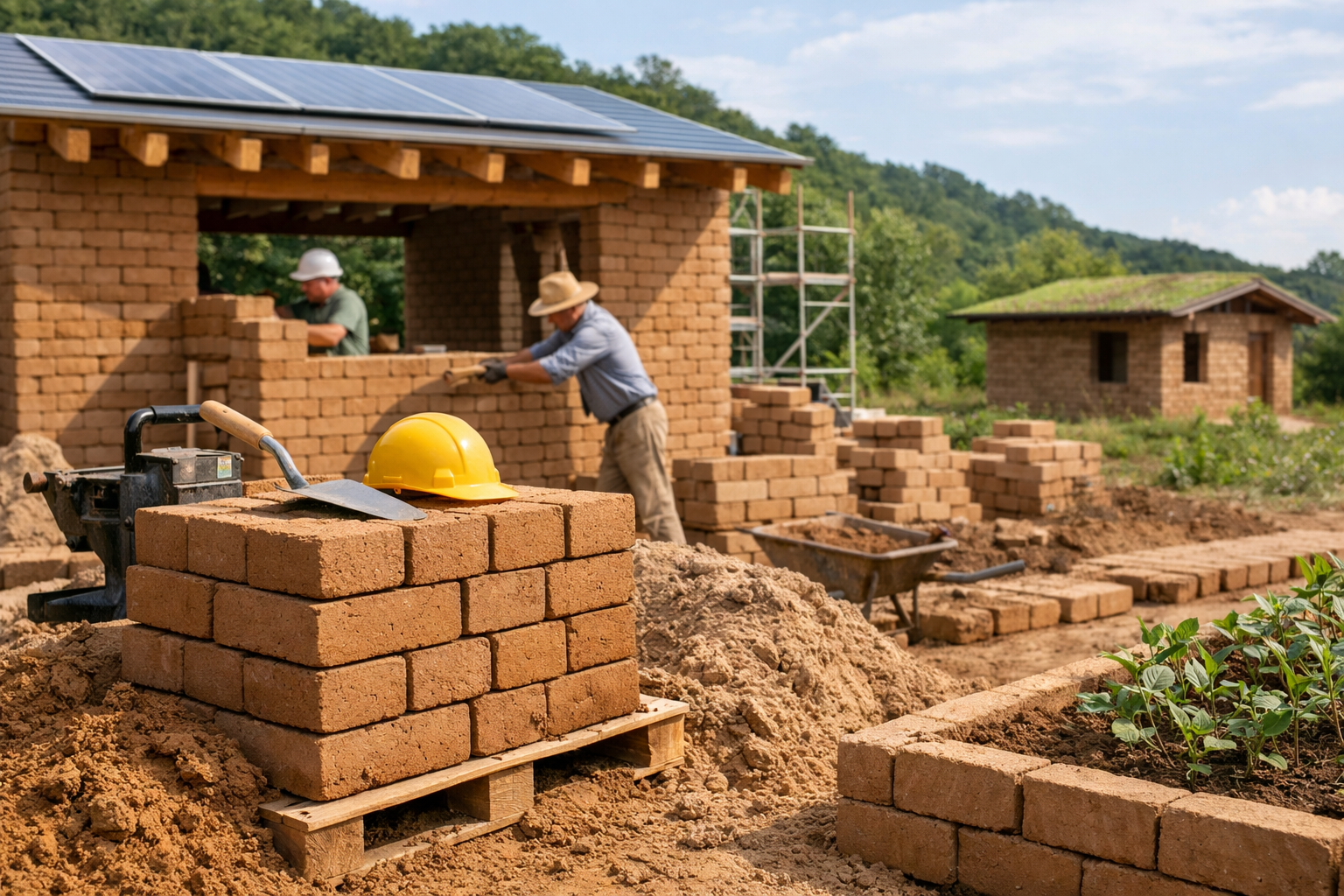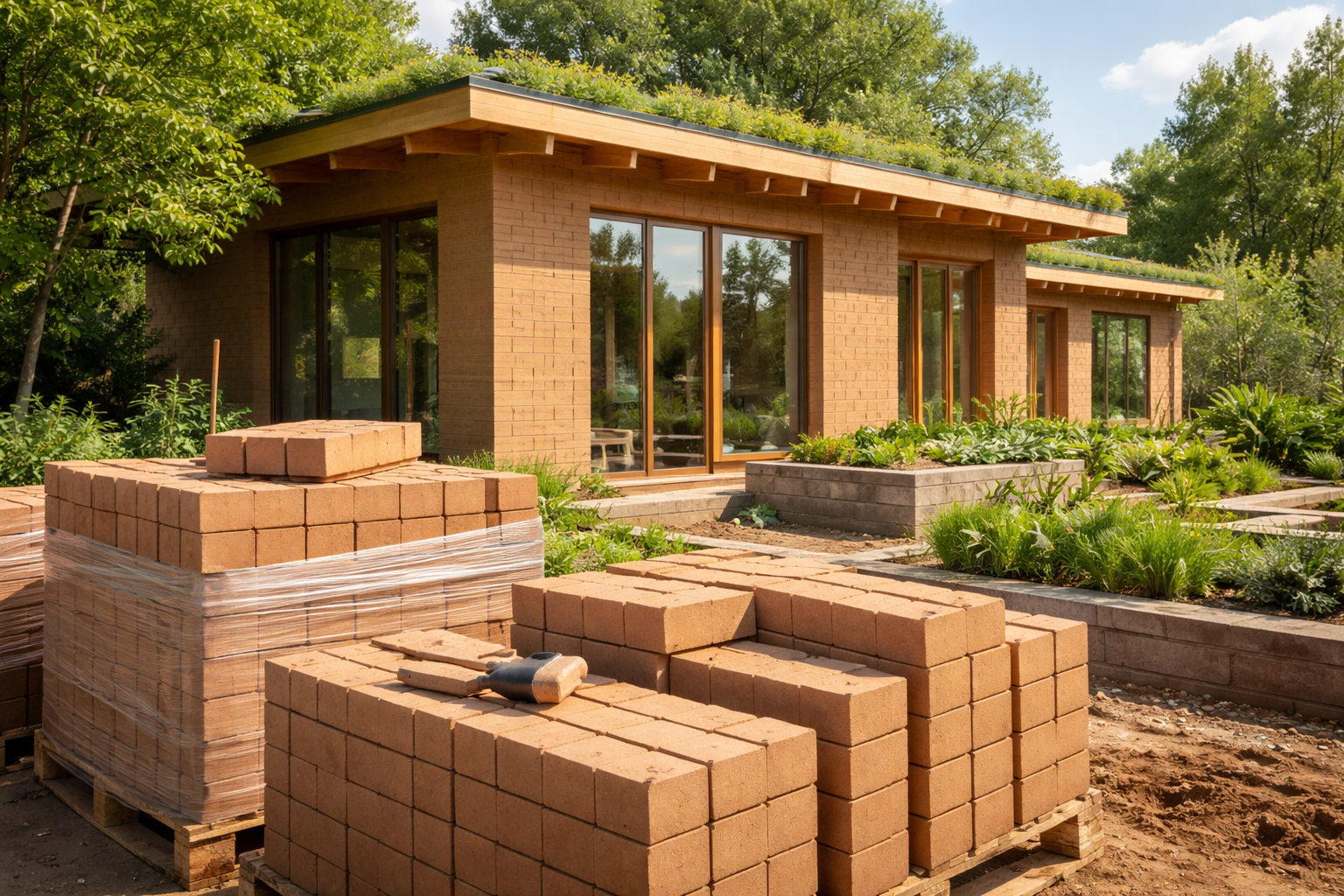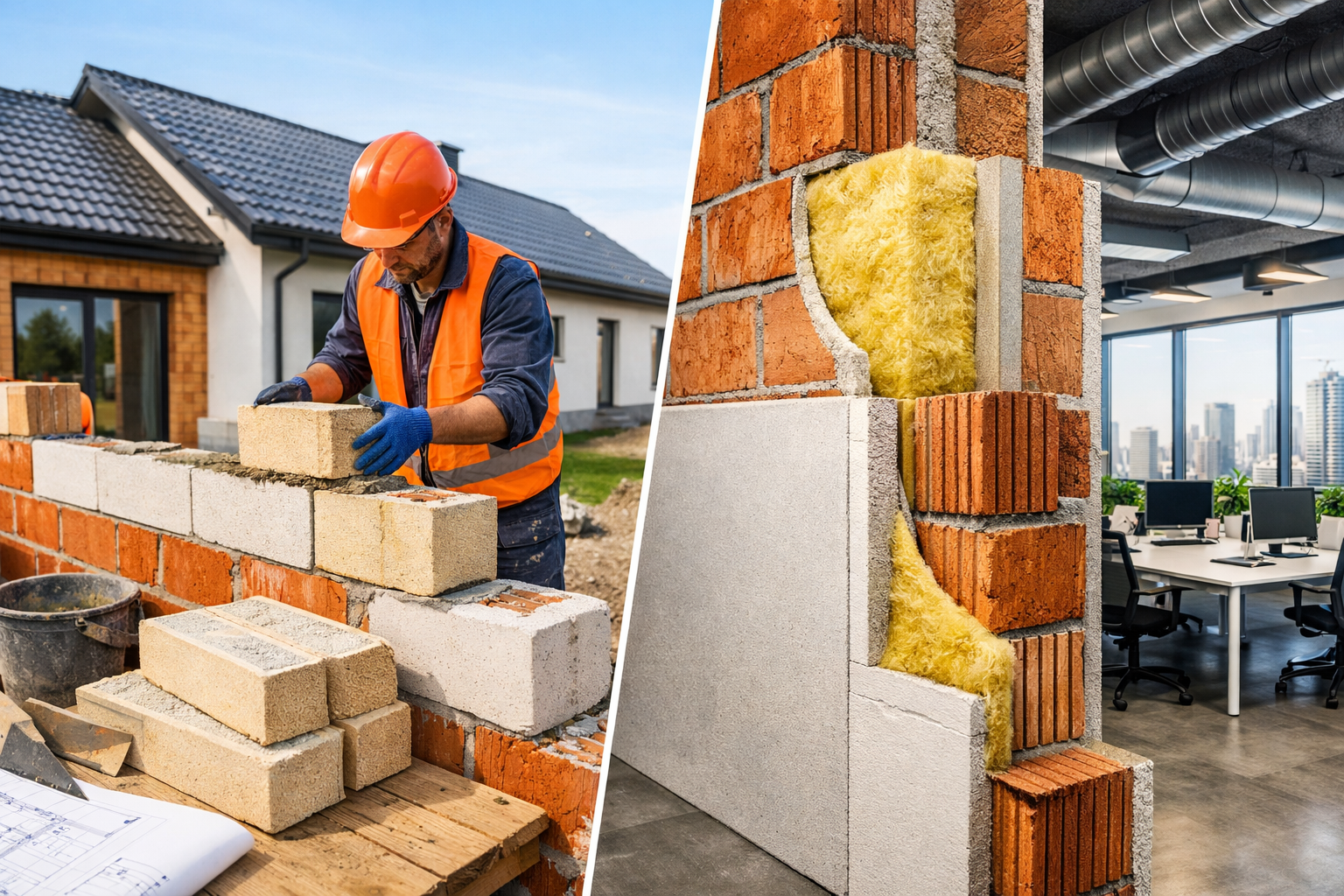
Green building practices require thermal insulation bricks as the construction industry becomes more eco-friendly and energy-efficient. These bricks are made to stop heat from moving and save energy. They not only lower a building’s carbon footprint, but they also make it more comfortable inside. More importantly, Thermal insulation bricks Manufacturers are now at the head of this environmentally friendly movement, leading the way in new ideas and responsible ways to make things.
Reducing Environmental Impact Through Energy Efficiency
Their best quality is that thermal insulation bricks reduce heat gain or loss, thus maintaining building temperatures. Eliminating artificial heating and cooling helps passive thermal control lower power use and greenhouse gas emissions. These bricks help buildings maintain temperatures, especially in harsh climates.
Thermal insulation bricks Manufacturers are fundamental to environmentally friendly buildings because their products help buildings use less energy over their lifetime.
Sustainable Raw Materials and Low-Impact Manufacturing
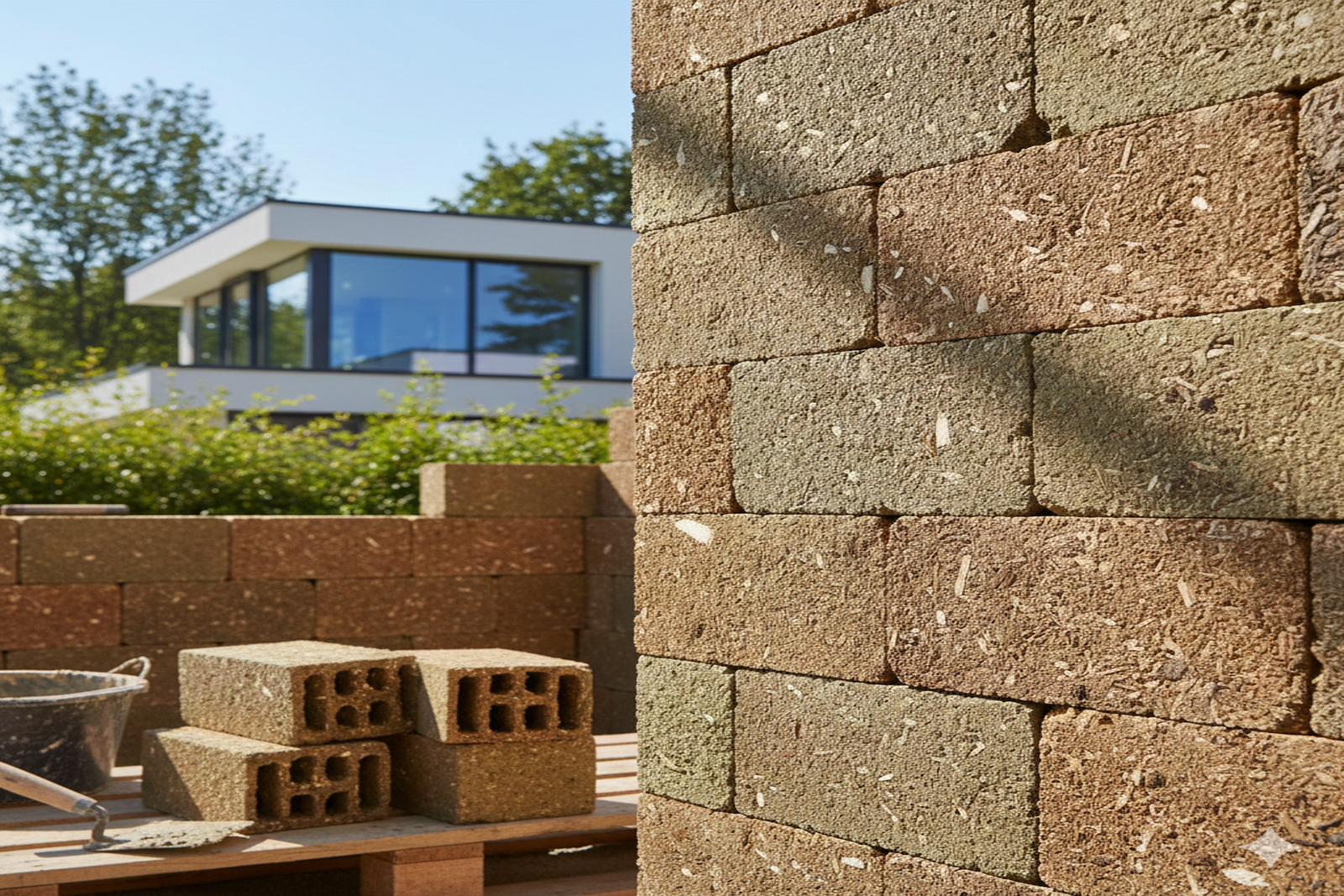
Using natural and recycled raw materials is another important thing that sets eco-friendly insulating bricks apart. Thermal insulation bricks Manufacturers are now switching to using clay, fly ash, perlite, and other natural insulators better for the climate. These materials are either easy to find, can be used repeatedly, or are trash products from factories that would otherwise end up in landfills.
Along with the choice of materials, the ways things are made are also changing. To reduce their environmental impact, high-end makers have started using cleaner fuels, kilns that use less energy, and water recycling systems. Some are even adding solar energy and waste heat recovery systems to their factories to cut down on pollution even more.
Lightweight Design with Heavy Benefits
Most of the time, eco-friendly thermal insulation bricks are lighter than regular bricks. Because of this trait, the structure is less loaded, allowing foundations and support systems to be designed more efficiently. Less dead weight saves material in steel and concrete and makes transporting things go more quickly. Less fuel is used to ship lighter loads, which makes the whole supply line more environmentally friendly.
Also, the fact that these bricks are less dense doesn’t affect how well they work. They are still very resistant to heat and last a long time, so they can be used in homes and businesses.
Contribution to Green Building Certifications
Eco-friendly items are now required by law as green certifications become industry standards. Builders and architects are actively seeking eco-friendly sources. Thermal insulation bricks Manufacturers follow sustainability standards and provide documented performance data will be able to meet this need.
Green certifications count these bricks because they make buildings more energy efficient, have less of an effect on the environment, and are often made locally, which helps local economies and cuts down on shipping emissions.
Conclusion
Eco-friendly thermal insulation bricks are changing the future of buildings by combining usefulness with concern for the environment. Responsible Thermal insulation bricks Manufacturers drive this shift by making high-quality products and encouraging cleaner, greener practices. If governments, corporations, and customers want sustainable solutions, these companies will help make the globe greener and more energy-efficient. Using modern manufacturing techniques, Jindal Mechno Bricks creates strong, aesthetically pleasing bricks. Their first concerns are quality, creativity, and client pleasure.