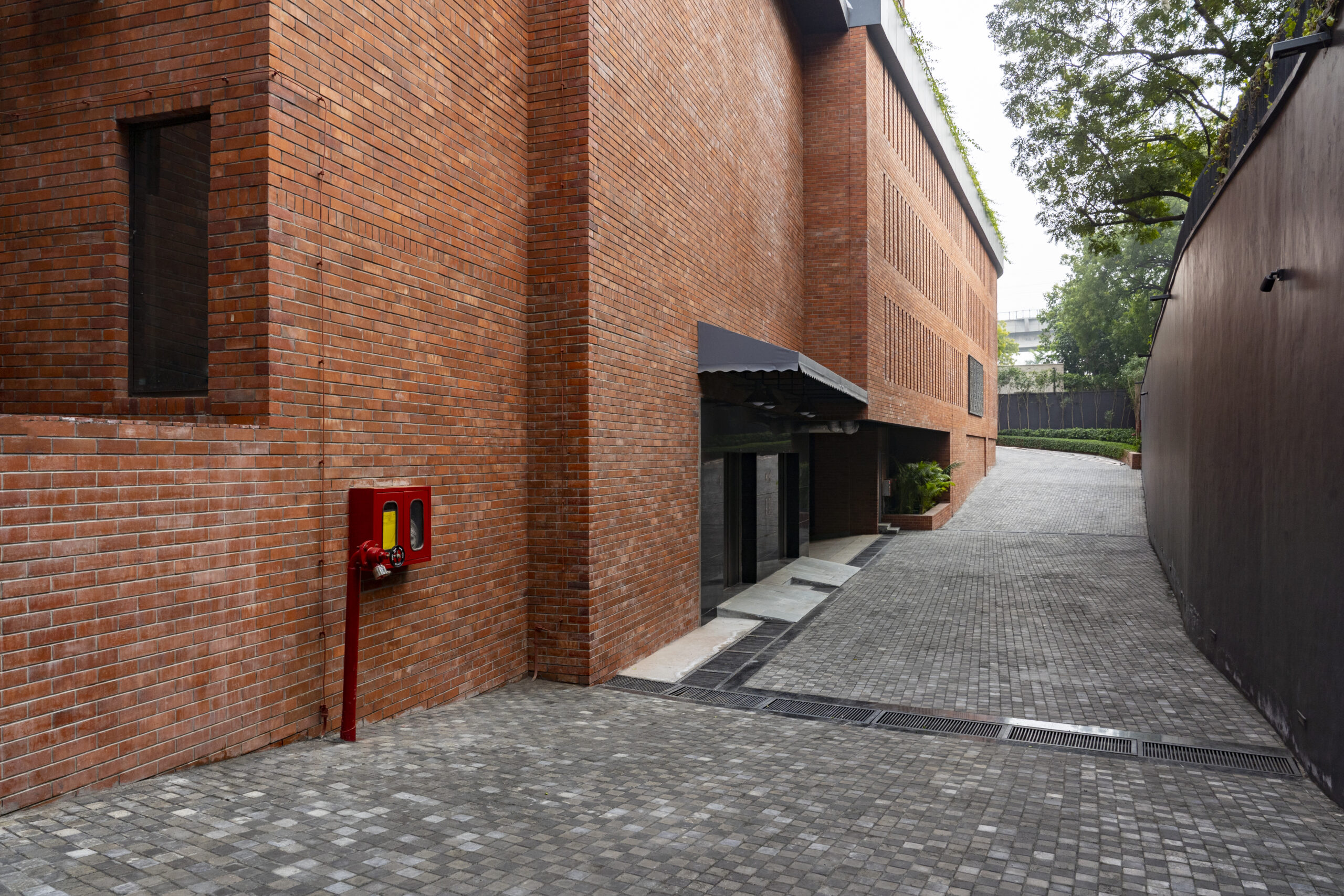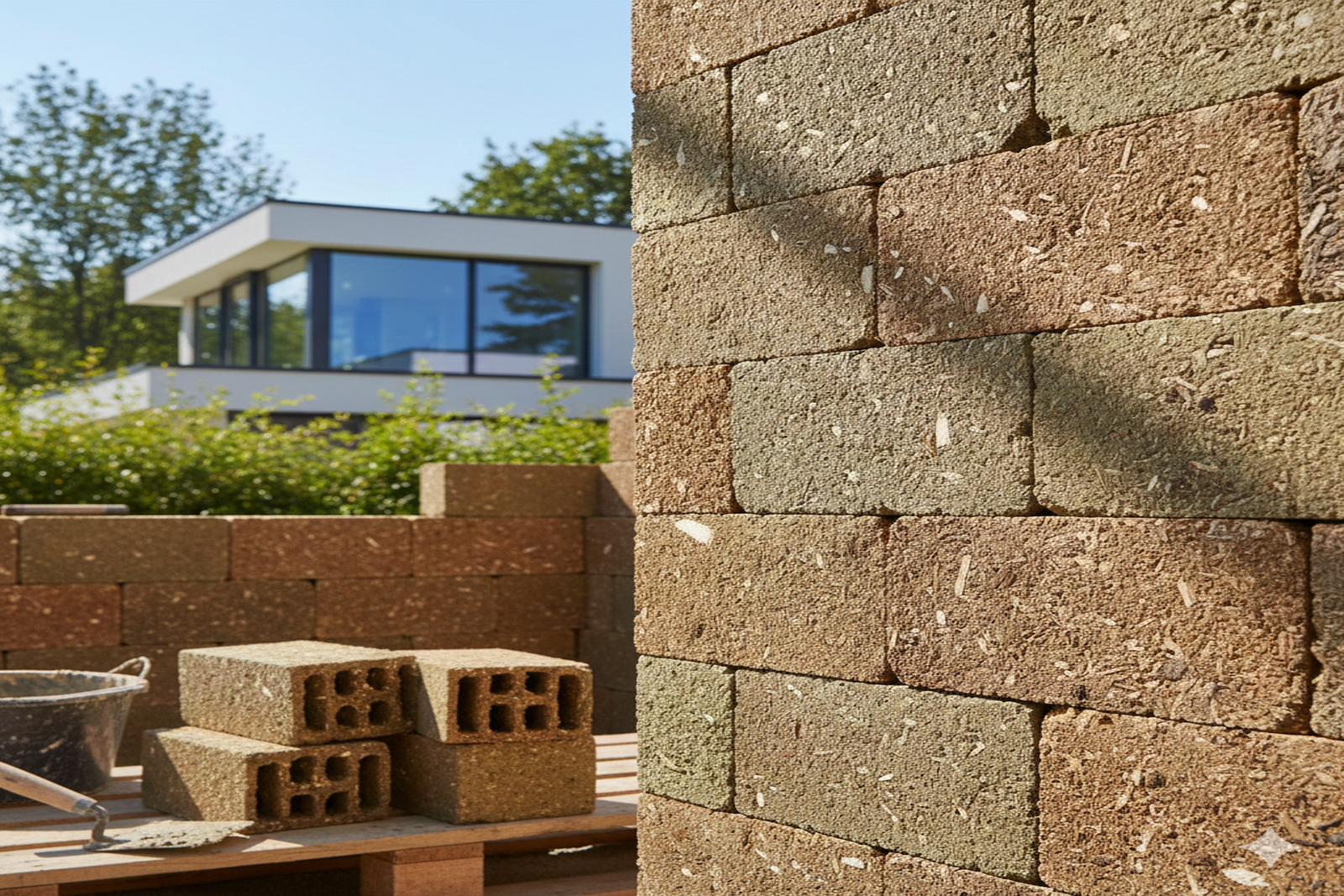
Eco-Friendly Thermal Insulation Bricks: A Step towards Sustainable Construction

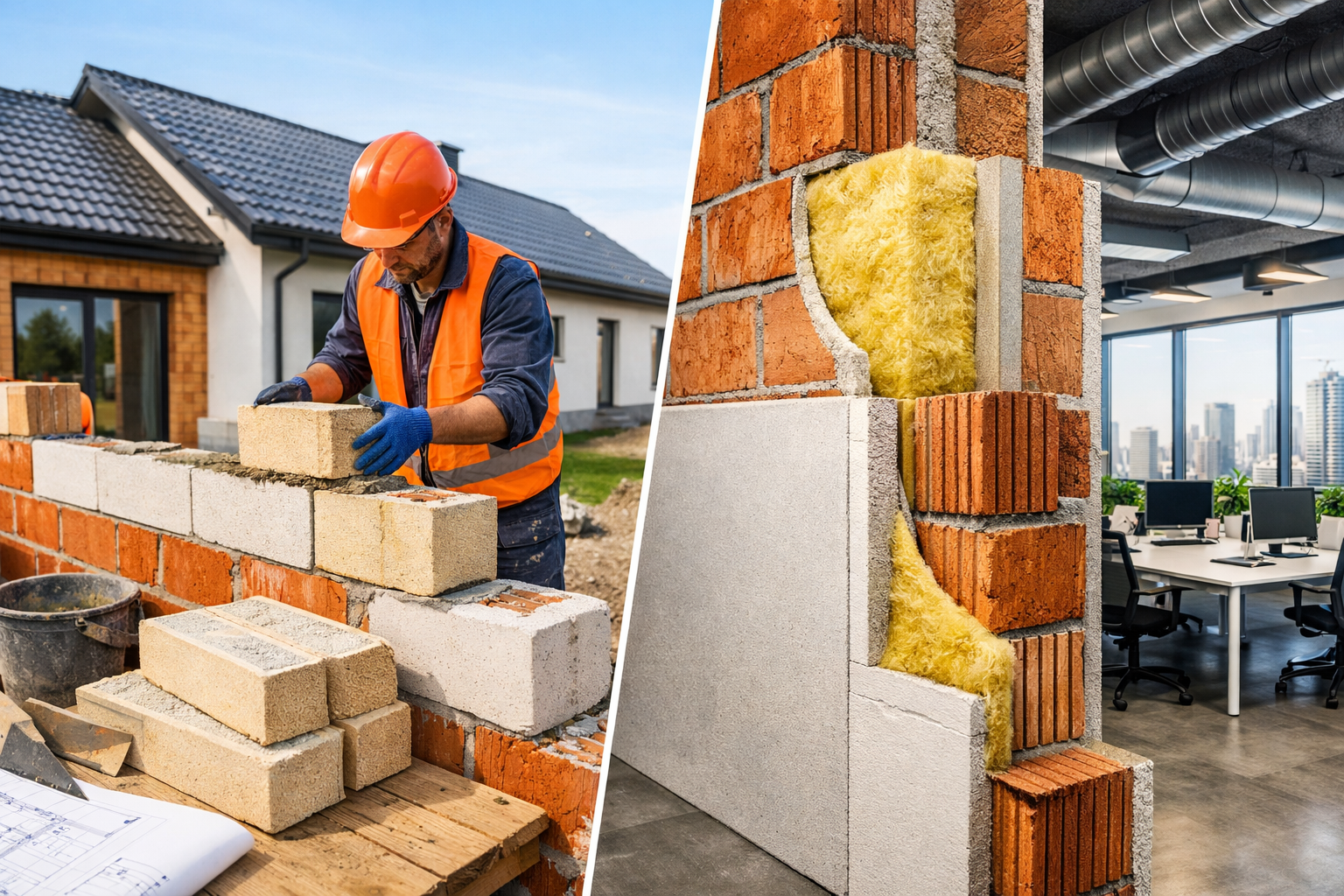
Green building practices require thermal insulation bricks as the construction industry becomes more eco-friendly and energy-efficient. These bricks are made to stop heat from moving and save energy. They not only lower a building’s carbon footprint, but they also make it more comfortable inside. More importantly, Thermal insulation bricks Manufacturers are now at the head of this environmentally friendly movement, leading the way in new ideas and responsible ways to make things.

 Reducing Environmental Impact Through Energy Efficiency

Their best quality is that thermal insulation bricks reduce heat gain or loss, thus maintaining building temperatures.   Eliminating artificial heating and cooling helps passive thermal control lower power use and greenhouse gas emissions. These bricks help buildings maintain temperatures, especially in harsh climates. 

Thermal insulation bricks Manufacturers are fundamental to environmentally friendly buildings because their products help buildings use less energy over their lifetime.

 Sustainable Raw Materials and Low-Impact Manufacturing

 Using natural and recycled raw materials is another important thing that sets eco-friendly insulating bricks apart. Thermal insulation bricks Manufacturers are now switching to using clay, fly ash, perlite, and other natural insulators better for the climate. These materials are either easy to find, can be used repeatedly, or are trash products from factories that would otherwise end up in landfills.

 Along with the choice of materials, the ways things are made are also changing. To reduce their environmental impact, high-end makers have started using cleaner fuels, kilns that use less energy, and water recycling systems. Some are even adding solar energy and waste heat recovery systems to their factories to cut down on pollution even more.

Lightweight Design with Heavy Benefits

 Most of the time, eco-friendly thermal insulation bricks are lighter than regular bricks. Because of this trait, the structure is less loaded, allowing foundations and support systems to be designed more efficiently. Less dead weight saves material in steel and concrete and makes transporting things go more quickly. Less fuel is used to ship lighter loads, which makes the whole supply line more environmentally friendly.

 Also, the fact that these bricks are less dense doesn’t affect how well they work. They are still very resistant to heat and last a long time, so they can be used in homes and businesses.

 Contribution to Green Building Certifications

Eco-friendly items are now required by law as green certifications become industry standards. Builders and architects are actively seeking eco-friendly sources.   Thermal insulation bricks Manufacturers follow sustainability standards and provide documented performance data will be able to meet this need.

 Green certifications count these bricks because they make buildings more energy efficient, have less of an effect on the environment, and are often made locally, which helps local economies and cuts down on shipping emissions.

Conclusion

 Eco-friendly thermal insulation bricks are changing the future of buildings by combining usefulness with concern for the environment. Responsible Thermal insulation bricks Manufacturers drive this shift by making high-quality products and encouraging cleaner, greener practices. If governments, corporations, and customers want sustainable solutions, these companies will help make the globe greener and more energy-efficient. Using modern manufacturing techniques, Jindal Mechno Bricks creates strong, aesthetically pleasing bricks. Their first concerns are quality, creativity, and client pleasure.
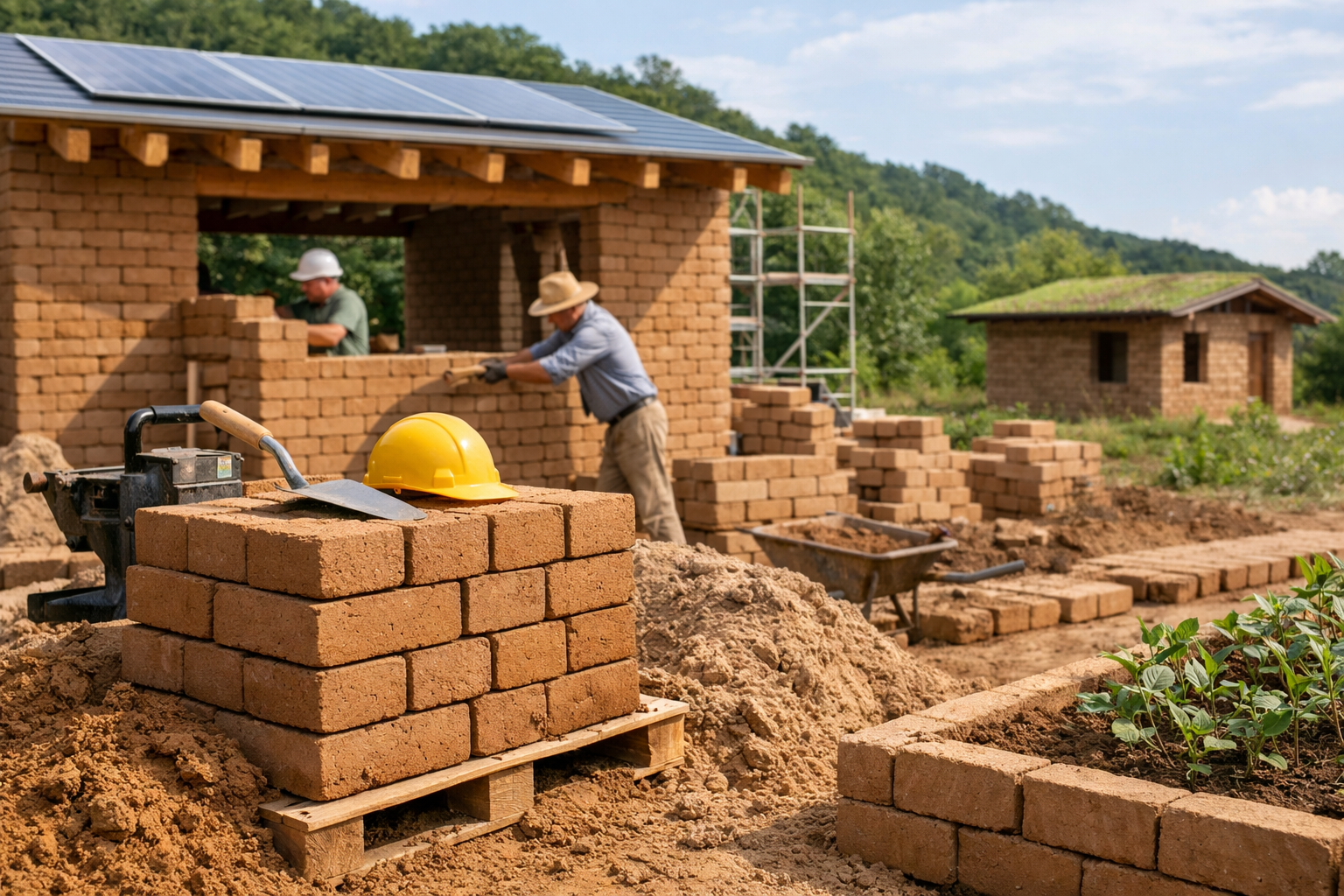
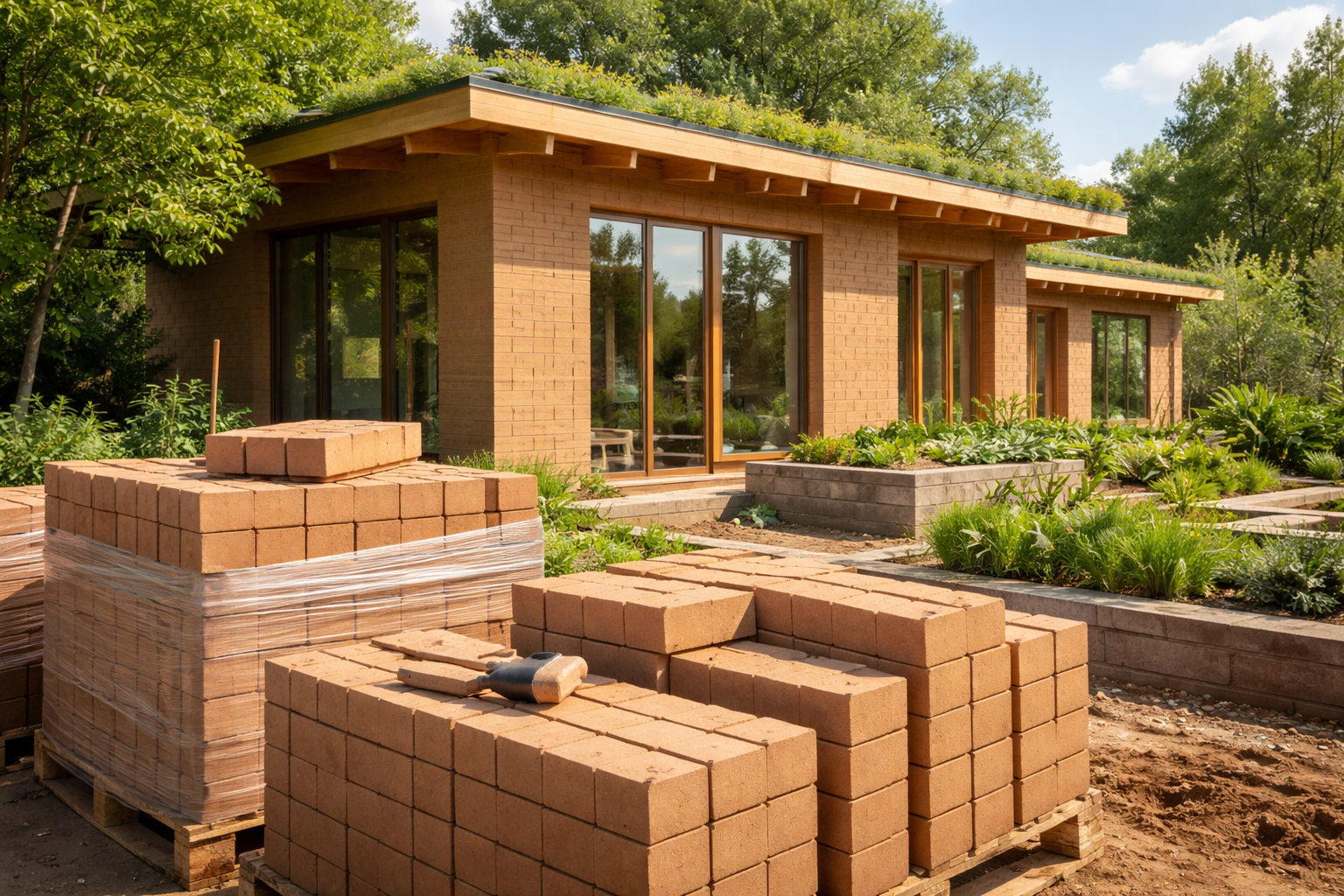
Why Architects Are Choosing Compressed Clay Bricks for Sustainable Building?

Sustainable building techniques are now required rather than discretionary.  Developers and architects are constantly looking for materials that lower environmental impact while preserving structural integrity and aesthetic appeal.  Of these options, compressed clay bricks have become the most often used.  Made by a low-energy technique that compresses natural clay without fire, these environmentally friendly, reasonably priced bricks are robust.  It’s hardly surprising that architects emphasizing green construction guidelines are increasingly looking to Compressed clay bricks Manufacturers for sustainable materials that fit both modern and traditional design sensibilities.


 Minimal Environmental Footprint

 The low environmental impact of compressed clay bricks is one of the most convincing factors for architects’ preference for them.  Compressed clay bricks are created without the use of fossil fuels or the release of significant amounts of carbon, unlike kiln-fired bricks.  The production process significantly reduces the carbon footprint of each unit, as mechanical pressure is used rather than heat energy.  By procuring clay locally and reducing waste, Compressed clay bricks Manufacturers who use environmentally conscious manufacturing techniques help to further sustainable practices.  This method ensures that building projects meet the criteria for green certification and help preserve the surroundings.


 Superior Thermal and Energy Efficiency

 In energy-efficient building design, excellent thermal insulation given by compressed clay bricks is crucial.   Their great thermal mass helps them to accumulate heat during the day and release it at night, therefore controlling the inside temperature.    This reduces dependency on synthetic heating and cooling systems, thereby saving energy throughout the construction’s lifetime.   Particularly valued by architects building in hot and humid environments is this quality, as it improves comfort without adding to the environmental load.  Detailed thermal performance data provided by reputable Compressed clay bricks Manufacturers helps architects design energy-efficient structures more easily.


 Strength, Durability, and Long-Term Performance

 Sustainability also refers to lifetime.  Extreme and durable compressed clay bricks are fit for both load-bearing and non-load-bearing construction.  Once set, these bricks degrade minimally under environmental stresses, including temperature swings, wind, and rain.  Their density and small size help them to resist surface damage and erosion, therefore guaranteeing a longer lifetime than many other environmentally friendly solutions.  Because it reduces the need for regular maintenance or replacement, architects appreciate this durability, thereby strengthening the sustainability credentials of their work.  Leading Compressed clay bricks Manufacturers consistently offer high-quality products that meet structural and building codes.

Conclusion

 Compressed clay bricks are gaining popularity among architects who aim to create sustainably without compromising quality or design as the building sector continues to prioritize sustainability.  Supported by trustworthy Compressed clay bricks Manufacturers, one project at a time, these bricks are redefining environmentally friendly buildings.   While maintaining a steadfast commitment to quality, innovation, and customer satisfaction, Jindal Mechno Bricks employs modern production methods to craft bricks that excel in durability, strength, and aesthetic appeal.

Why Compressed Bricks Are an Eco-Friendly Choice for Modern Buildings?

Growing environmental issues are driving the building sector to adopt greener methods.  One of the most notable developments in sustainable design is the emergence of compressed bricks—especially those made solely from clay.  As they seek greener substitutes for traditional materials, many builders, developers, and architects today are consulting Compressed bricks Manufacturers.  These bricks provide strength, a long lifespan, and aesthetic appeal, in addition to reducing the environmental impact of the building.


 What Are Compressed Clay Bricks?

 High-pressure compression of clay produces compressed bricks without the need for burning or fire.  Compressed clay bricks cure spontaneously, unlike conventional kiln-fired bricks that mainly depend on coal or wood.  This significantly reduces the carbon footprint associated with their manufacture and energy use.

One pure, natural substitute free of synthetic binders and chemical additions is compressed clay bricks. From homes to businesses and schools, their constant strength, density, and size make them perfect for a range of building projects.


 How Compressed Clay Bricks Support the Environment

 The fact that compressed clay bricks have a minimal impact on the surroundings is among the most compelling reasons to adopt them.  Typically, local sources of clay are used to reduce transportation emissions.  Since these bricks are not burned, the manufacturing process consumes no fossil fuels, thereby saving a significant amount of energy.

 Moreover, one plentiful and renewable resource is clay.  Under proper control by respectable Compressed bricks Manufacturers, its extraction disturbs the ecology very little.  These completely recyclable bricks also naturally allow for safe reintegration into the ground should they ever be disassembled.

 Furthermore, reducing the energy load of a building is the use of compressed clay bricks.  Their natural thermal bulk more effectively insulates interior spaces, reducing heating and cooling energy consumption.  This supports green building certifications while also helping residents save on their energy bills over time.


 Supporting Sustainable Construction Through Local Manufacturing

 Supporting locally run Compressed bricks Manufacturers adds still another environmentally responsible benefit.  Local manufacturers guarantee reduced travel distances, which in turn reduces emissions and accelerates delivery.  Builders reduce their environmental impact and contribute to regional economic development by sourcing bricks from local businesses.

 Those who specialise in clay-based compressed bricks often apply precise compression methods to ensure consistency in strength and behaviour.  This reduces waste during building by minimising the amount of faulty bricks, thereby enhancing overall material efficiency.


Conclusion

 Including compressed clay bricks in contemporary buildings is not only a trend but also a wise choice in line with the objectives of sustainable development.  Compressed bricks Manufacturers are significantly influencing the direction of green architecture as knowledge of environmental problems increases.  Out of all the building materials available in India, Jindal Mechno Bricks is the best one.  As the top brick manufacturing firm in India, they are renowned for producing the finest bricks for residential construction.

Choosing the Right Type of Brick for Your Next Construction Project

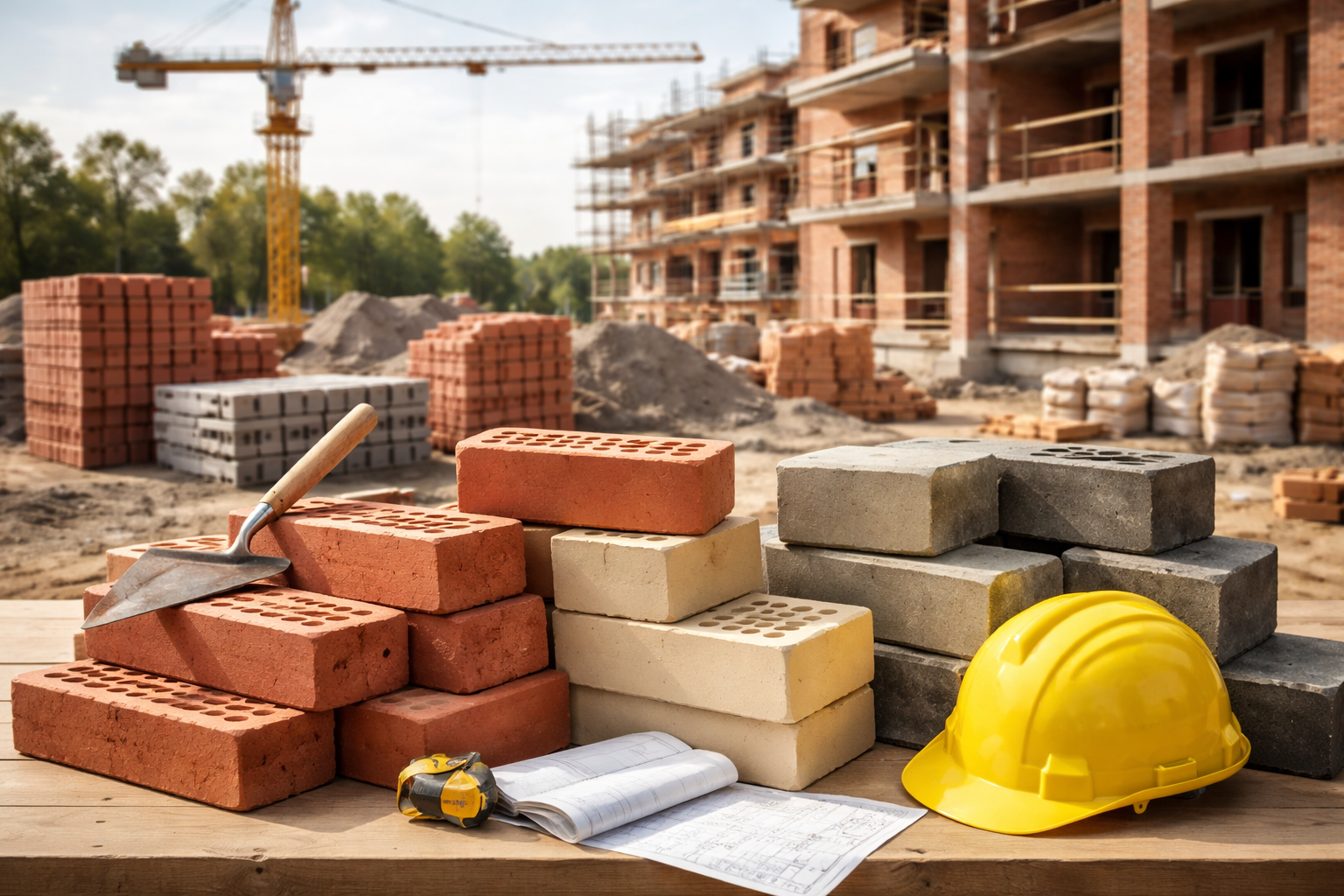
Bricks are not building materials, but they determine the beauty, the longevity, and the identity of any building. In quaint home construction right up to the sleek offices, the correct brick type makes the difference in the style as well as the strength. By making a wise choice, you will not only make your project look pretty but also durable in decades.

What Are the Factors You Should Take?

It is always good to know the important factors before selecting your bricks based on the way they will perform, look, and fit into your project.

Project Goals and Style 

Begin with the mission statement and aesthetic of your build. Reckless designs can prefer to use handmade clay bricks whereas smooth, clean surfaces suit well in urban areas.

Brick Type 

Each type of the brick has its purpose. Clay bricks are natural and concrete bricks are strong with fly ash bricks sustaining. Select depending on your building requirements and environmental objectives.

Brick Color and Texture 

It is the colors and finishes that make the tone of your building. The use of warm and soft colors forms a comfortable impression whereas the cool colors give us a modern impression. When finalizing samples, it is always better to test them in natural light.

Durability and Strength 

The brick’s strength and durability are very important, especially for projects that will hold weight or be in places with bad weather.  Look at how strong the brick is when you tug on it.

Budget and Cost 

Find some compromise between cost and value. Better quality bricks might be expensive now but would save money on repair in future.

Maintenance Requirements 

There are bricks that need to be sealed or cleaned up frequently. Exterior walls that require low maintenance are more suitable or when doing large projects.

Conclusion

Finding the appropriate brick requires balancing style, strength, and utility.   Remembering these factors can ensure that your next building project lasts and looks fantastic for years. For the best choose Jindal Mechno Bricks.

How India’s Building Materials Manufacturers Are Powering the Infrastructure Boom?

Driven by fast urbanisation, government investments, and a growing demand for modern homes, businesses, and public facilities, India is experiencing an unprecedented infrastructure boom. The Building materials Manufacturers in India at the core of this change are crucial in shaping the physical and financial landscape of their country. Among the various materials used nowadays, clay bricks remain the foundation of buildings, both physically and symbolically.

 The Foundation of Growth: Clay Bricks

Indian builders have been using clay bricks for millennia; their value only became clear over time.   Prized for their cost-effectiveness, thermal insulation, and durability, clay bricks are fundamental in the building of homes, schools, hospitals, roadways, and significant infrastructure projects.   Even as additional materials have been added, clay bricks remain the most commonly used because of their natural composition, excellent availability, and capacity to withstand strong weather.

 Building materials Manufacturers in India that specialise in clay bricks have raised their capacity to satisfy the rising demand.   From rural house projects to high-rise skyscrapers in metropolitan cities, stronger, more homogeneous bricks appropriate for a range of projects have adopted new kiln technology, energy-efficient approaches, and quality control systems. 

Technological Advancements in Brick Manufacturing

 Building materials Manufacturers in India do not rely on outdated methods of brick-making. Semi-automated and fully automated brick manufacturing systems have been widely adopted, as they not only increase production efficiency but also enhance brick uniformity and compressive strength. These developments ensure that, without compromising sustainability, clay bricks meet current architectural and engineering standards.

 Moreover, several producers are exploring creative drying methods and alternative fuels to reduce the carbon footprint of brick manufacturing, thereby increasing the environmental responsibility of the material.

 Boosting Employment and Local Economies

 The spread of brick-building facilities nationwide has helped ancillary businesses flourish and rural employment increase. By sourcing clay locally and generating employment for thousands of skilled and semi-skilled workers, these plants often support local economies.

 Demand for domestically produced clay bricks is expected to remain robust as infrastructure development continues in tier-1, tier-2, and tier-3 cities. This makes Indian building materials producers not only major drivers of national development but also significant stakeholders in enabling local communities to thrive.

Conclusion

 The relentless efforts of clay brick makers, the backbone of the building supply chain, support India’s infrastructure explosion. Building materials Manufacturers in India are not only keeping pace with development but also driving it forward with advanced technology, government cooperation, and a sustained commitment to quality. Now more than ever, their influence shapes modern India. Jindal Mechno Bricks is a reliable company that can help you make buildings that last, look good, and use less energy.

Why Brick Facades Are Making a Comeback in Modern Architecture?

Compressive Strength Of Bricks: It measures how much pressure a material can withstand before it breaks or deforms. In other words, it is the amount of force needed to compress a specific volume of material to one-third of its original length. High Compressive Strength Bricks have a higher compressive strength than traditional bricks. They are made of a mixture of cement, sand, and gravel.

What are High Compressive Strength Bricks?

High Compressive Strength Bricks are bricks with high compressive strength. They are used in construction and engineering projects. These bricks have a specific type of face with a smooth surface, which helps in reducing the number of joints needed to complete the project. High Compressive Strength Bricks can be used for both residential and commercial buildings.

Why should we use high compressive strength bricks?

High compressive strength bricks are an essential part of construction projects. They provide a durable and robust foundation for buildings, bridges, and other structures.

High compressive strength bricks are made from two different types of materials: cement and sand. The cement is mixed with sand to create a mixture that is then poured into a mold to form the brick shape. The chemical reaction between the two components creates heat which causes the brick to harden and the outer layer of sand that covers it.

The high compressive strength brick is one of the most common types of building bricks used in construction projects all over the world today.

  • High compressive strength bricks are stronger than low-compression bricks.
  • If the Bricks Compressive Strength is high, it will be more durable than low-compression bricks and can withstand more weight.
  • Low-compression brick may break when subjected to extreme pressure or weight, leading to structural damage in the house.

Benefits of using High Compressive Strength Bricks:

Bricks are used in construction as building blocks. They are typically made of clay or concrete, and they can be compressed very tightly to form a dense, durable material. High compression bricks have several benefits, including increased strength and durability. This is because the material is much thicker than standard bricks.

Bricks are typically made from clay or concrete, and they can be compressed very tightly to form a dense, durable material. High compression bricks have some benefits, including:

  • Less expensive than traditional bricks
  • Durable can withstand extreme temperatures
  • Able to support more weight per square inch
  • Reduce weight and volume of bricks by 60%
  • Reduce CO2 emissions by 20%
  • Increase durability
  • Increased strength.
  • Increase fire resistance
  • Reduce labor cost
  • Increase speed in production

How Are High Compressive Strength Bricks Disrupting The Construction Industry?

The construction industry is undergoing a revolution by introducing high compressive strength of bricks. Bricks are the most common building material, and they have been used for centuries. They are made up of clay, sand, and water mixed in a certain ratio to create a paste-like mass. The process of making bricks has been around for so long that it’s difficult to imagine how things would be without them.

The introduction of high compressive strength bricks is changing the game in the construction industry in many ways. These bricks can withstand much more weight than traditional bricks, and they also last longer due to their superior durability. High compressive strength bricks are being used for building bridges, high-rise buildings, and other structures that previously could only be built with concrete or steel members.

Top 10 Uses for High Compression Bricks

High compression bricks are a new type of brick made with high-density materials. These bricks are typically used for building walls and other structures, but they can also be used for decorative purposes.

This type of brick is a lot lighter than traditional bricks, making them easier to transport and use. They are also more durable than traditional bricks because they have high compressive strength. In addition, they can withstand higher temperatures without cracking or breaking.

Top 10 Uses for High Compression Bricks:

  1. Building walls
  2. Structures
  3. Decorative purposes
  4. Concrete blocks
  5. Stairs and handrails
  6. Fireplaces
  7. Patios
  8. Pool decks
  9. Bricks in landscaping projects
  10. Brick paving

Finally

The use of high compressive strength bricks has been increasing in recent years due to their benefits, such as lower maintenance costs and less environmental impact. This is because the bricks can withstand more weight than traditional building materials, such as concrete. Also, its usage has allowed for new construction techniques and materials. Companies specializing in civil engineering, infrastructure, and property development services have already started using these new materials in their construction projects.

Benefits of Using Thermal Insulation Bricks in Residential and Commercial Buildings

Energy efficiency and sustainability are not only trends in the building sector of today; they are requirements. Thermal insulating bricks are among the best tools available for reaching these objectives. These customized bricks have many benefits for residential and commercial constructions that help ensure long-term performance, comfort, and economy of costs. For this reason, Thermal insulation bricks for buildings Manufacturers are much sought after in contemporary construction markets.

 Enhanced Energy Efficiency

 The main advantage of thermal insulation bricks is their great energy-saving power. These bricks help preserve a constant internal temperature independent of outside temperature since they minimize heat transmission. This reduces dependency on HVAC systems in homes and businesses, cutting energy consumption.

This energy performance is a major selling feature for thermal insulating bricks used in building construction. Insulation bricks provide a high R-value, making them a sensible and environmentally responsible option. Builders and developers search for solutions that satisfy tight energy requirements.

 Improved Indoor Comfort

 Apart from lowering energy expenses, thermal insulating blocks increase general comfort. In colder climates, they stop heat loss, while in warmer climates, they help keep homes cool. This constant indoor temperature improves the comfort level of residents in both homes and businesses.

 Manufacturers of thermal insulation bricks for construction projects sometimes stress this comfort value to engineers and architects who aim to promote occupant well-being.

 Fire Resistance to certain Level

 Another benefit of thermal insulating bricks is their natural fire resistance to certain Level. Many of these bricks are constructed with fire-retardant materials, therefore offering even more protection to buildings. Their soundproofing characteristics also help to create more tranquil and efficient surroundings in urban or high-density commercial settings.

 This makes them perfect for workplaces, schools, hospitals, and even multi-family homes—segments where Thermal insulation bricks for buildings Manufacturers are seeing increasing demand from building makers.

 Sustainable and Eco-Friendly Construction

 Thermal insulating bricks precisely match green building objectives as sustainability takes the front stage in building codes. Many of them help to reduce carbon footprints during the lifetime of a building by using recycled or environmentally friendly materials. Furthermore, helping toward LEED or IGBC green construction certifications is done using these bricks.

 Thermal insulation bricks are giving manufacturers who concentrate on environmentally friendly building solutions a top priority in their product lines to satisfy the changing needs of developers and government regulations.

 Durability and Low Maintenance

 Strength and lifetime of thermal insulating bricks are well-known. They resist regular wear and tear, chemical exposure, and strong storms. Once put in place, they demand little upkeep, which is a big advantage for managers of commercial buildings as well as house owners.

 Durability is a significant attraction for builders and real estate developers looking for long-term performance and low maintenance for thermal insulation bricks used in building construction.

Conclusion

 From energy efficiency and comfort to safety and sustainability, thermal insulation bricks provide significant advantages for both home and business structures. The need for Thermal insulation bricks for buildings Manufacturers becomes more critical as demand for greener, smarter construction increases. These bricks are redefining modern buildings by providing environmental responsibility, performance, creativity, and strength. Count on Jindal Mechno Bricks as your consistent partner in producing aesthetically pleasing, energy-efficient, long-lasting buildings. Our dedication to sustainability and excellence guarantees that your outlay of building materials pays dividends over the years.

Architect Interview: Designing with Exposed Brick & Tiles

People are using exposed brick and tiles again in modern buildings.  They are a great mix of old-fashioned, environmentally friendly, and contemporary design. In this interview, a renowned architect explains how the emerging materials are altering the manner with which we perceive structures.

The Beauty of Exposed Brick

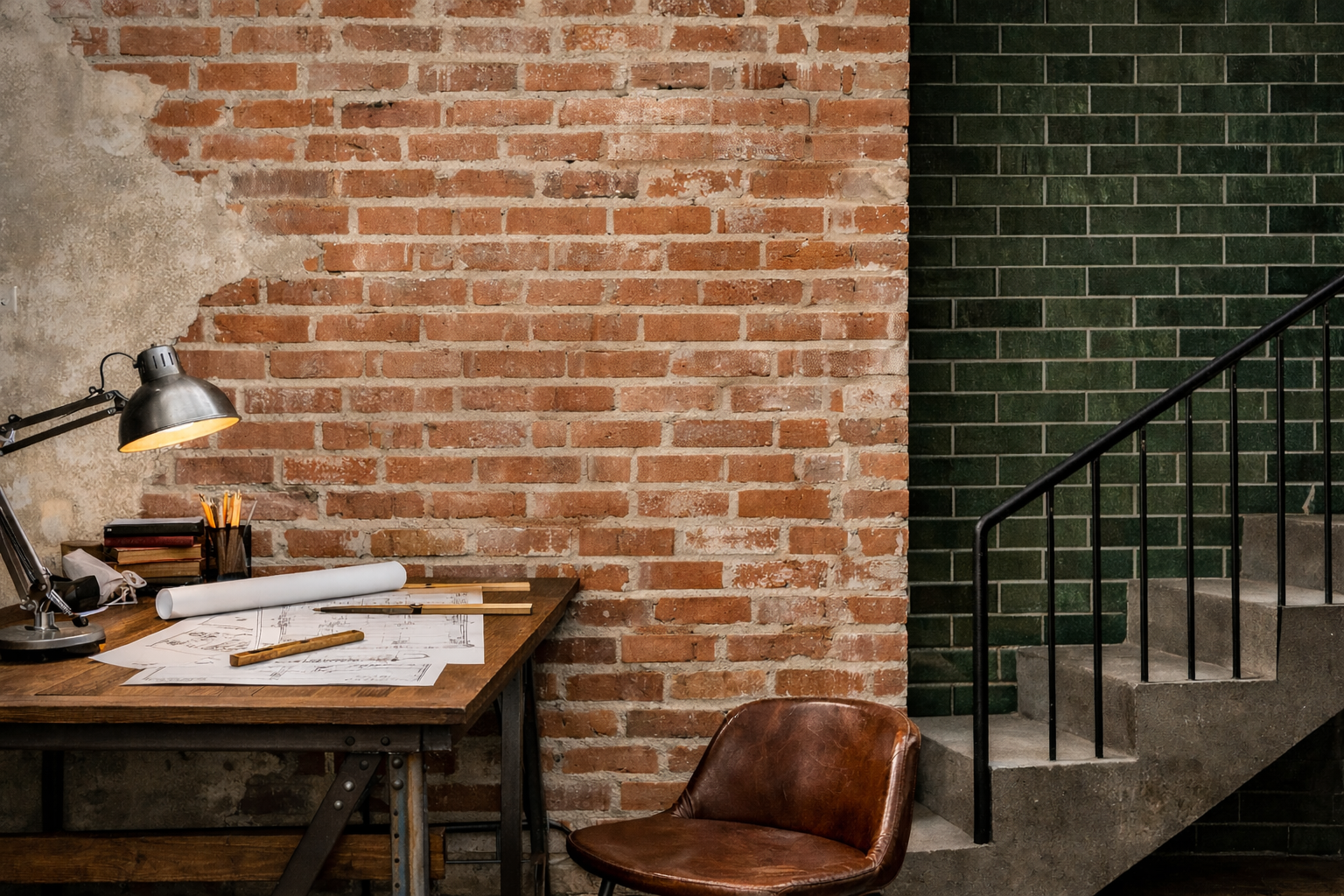
For the architect, exposed brick is a sign of realness and warmth. It shows out the natural texture and color changes that plastered walls frequently hide. The architect says, “Every brick tells a story.” It depicts the sign of age and art. Exposed brick is not only beautiful, it is also energy efficient, easy to maintain, and eco friendly. Natural colors make it appear friendly, hence it is good in residential and commercial uses.

The Versatility of Tiles

Tiles, which were long thought to be just useful, are today praised for their ability to be used for both decoration and structure. Tiles introduce pattern, rhythm, and contrast to a room. They are either made by hand or they are smooth in porcelain. The architect says that innovative tiling may help define areas, highlight shapes, and even act as a focal point in a design that is otherwise simple.

Achieving Design Balance

Balance is important when mixing tiles with exposed brick. The architect emphasizes the need to have a balance in colors, textures, and proportions. They add to the feel with materials such as wood, glass, or metal. Natural light also makes their natural traits stand out by adding depth and richness.

Final Thoughts

According to the architect, exposed brick and tile designs are straightforward in terms of honesty to materials. It is an announcement of imperfections, craftsmanship, and beauty that is eternal. It is a type of architecture with a blend of rustic and modern style.

Why should we use high compressive strength bricks?

Compressive Strength Of Bricks: It measures how much pressure a material can withstand before it breaks or deforms. In other words, it is the amount of force needed to compress a specific volume of material to one-third of its original length. High Compressive Strength Bricks have a higher compressive strength than traditional bricks. They are made of a mixture of cement, sand, and gravel.

What are High Compressive Strength Bricks?

High Compressive Strength Bricks are bricks with high compressive strength. They are used in construction and engineering projects. These bricks have a specific type of face with a smooth surface, which helps in reducing the number of joints needed to complete the project. High Compressive Strength Bricks can be used for both residential and commercial buildings.

Why should we use high compressive strength bricks?

High compressive strength bricks are an essential part of construction projects. They provide a durable and robust foundation for buildings, bridges, and other structures.

High compressive strength bricks are made from two different types of materials: cement and sand. The cement is mixed with sand to create a mixture that is then poured into a mold to form the brick shape. The chemical reaction between the two components creates heat which causes the brick to harden and the outer layer of sand that covers it.

The high compressive strength brick is one of the most common types of building bricks used in construction projects all over the world today.

  • High compressive strength bricks are stronger than low-compression bricks.
  • If the Bricks Compressive Strength is high, it will be more durable than low-compression bricks and can withstand more weight.
  • Low-compression brick may break when subjected to extreme pressure or weight, leading to structural damage in the house.

Benefits of using High Compressive Strength Bricks:

Bricks are used in construction as building blocks. They are typically made of clay or concrete, and they can be compressed very tightly to form a dense, durable material. High compression bricks have several benefits, including increased strength and durability. This is because the material is much thicker than standard bricks.

Bricks are typically made from clay or concrete, and they can be compressed very tightly to form a dense, durable material. High compression bricks have some benefits, including:

  • Less expensive than traditional bricks
  • Durable can withstand extreme temperatures
  • Able to support more weight per square inch
  • Reduce weight and volume of bricks by 60%
  • Reduce CO2 emissions by 20%
  • Increase durability
  • Increased strength.
  • Increase fire resistance
  • Reduce labor cost
  • Increase speed in production

How Are High Compressive Strength Bricks Disrupting The Construction Industry?

The construction industry is undergoing a revolution by introducing high compressive strength of bricks. Bricks are the most common building material, and they have been used for centuries. They are made up of clay, sand, and water mixed in a certain ratio to create a paste-like mass. The process of making bricks has been around for so long that it’s difficult to imagine how things would be without them.

The introduction of high compressive strength bricks is changing the game in the construction industry in many ways. These bricks can withstand much more weight than traditional bricks, and they also last longer due to their superior durability. High compressive strength bricks are being used for building bridges, high-rise buildings, and other structures that previously could only be built with concrete or steel members.

Top 10 Uses for High Compression Bricks

High compression bricks are a new type of brick made with high-density materials. These bricks are typically used for building walls and other structures, but they can also be used for decorative purposes.

This type of brick is a lot lighter than traditional bricks, making them easier to transport and use. They are also more durable than traditional bricks because they have high compressive strength. In addition, they can withstand higher temperatures without cracking or breaking.

Top 10 Uses for High Compression Bricks:

  1. Building walls
  2. Structures
  3. Decorative purposes
  4. Concrete blocks
  5. Stairs and handrails
  6. Fireplaces
  7. Patios
  8. Pool decks
  9. Bricks in landscaping projects
  10. Brick paving

Finally

The use of high compressive strength bricks has been increasing in recent years due to their benefits, such as lower maintenance costs and less environmental impact. This is because the bricks can withstand more weight than traditional building materials, such as concrete. Also, its usage has allowed for new construction techniques and materials. Companies specializing in civil engineering, infrastructure, and property development services have already started using these new materials in their construction projects.

Building Eco-Friendly With Jindal Mechno Bricks

In a world that is constantly growing towards eco-friendly ways of living and creating a sustainable world all around, providing the solutions to realise their efforts is one of the noblest activities today. Helping the community move towards a greener future is something that Jindal Mechno Bricks takes very seriously. In the process, we have been able to create some of the most amazing products that not only are made using eco-friendly methods and materials but are also perfect for giving a beautiful shape to your dream eco-friendly project. But how does that happen? What are the aspects of our roof tiles, cladding tiles, coloured bricks, and pavers make them eco-friendly? What really makes Jindal Mechno Bricks the perfect partner for all your eco-friendly projects? Keep reading to know more!

What Makes Our Products Eco-Friendly

  • Green Materials Bricks, tiles, and pavers use one major ingredient that is abundantly available on earth; clay. It’s abundance and non-toxic nature is the primary reason why humans have been using clay for construction for thousands of years. We use high-quality clay without adding any artificial adjuncts for creating our range of products. Yes, from bricks to tiles, we make sure that we only use eco-friendly materials.
  • Eco-Friendly Manufacturing Adding more to the overall eco-friendliness of using natural materials are our world-class manufacturing machines. We make use of the latest European technology to prepare our products. These machines are capable of mass production with the least amount of wastage and pollution that is generally associated with traditional methods of brick and tile manufacturing. The machines are capable of achieving high temperatures for firing without leaving a large impact on the environment.
  • Long-Lasting and Low Maintenance After installation, the bricks and tiles manufactured by Jindal Bricks can last for decades without needing replacement. This takes the need for creating more out of the cycle, thus saving energy and effort. The plus point on top of this is the reduced need for chemical-based cleaners as our bricks and tiles need less maintenance owing to their inert nature. They do not react with anything in the air and are completely dust and moisture resistant.
  • Energy Saving Because of the porous (and sometimes hollow) nature, our bricks and tiles are excellent at thermal insulation. When the insides are protected from extreme weather fluctuations, the need to use Air conditioning and space heaters at high, power-draining settings gets reduced significantly.
  • No Pigments The colour in our bricks and tiles comes from the use of different types of clay. We completely avoid the use of any pigments in our bricks and tiles as they are chemical-based colours, which defeat the purpose of keeping everything clean and green.
If we make the right choices today, we can make the world a better place for tomorrow, while still reaping the benefits of our efforts today. As one of the leading Brick cladding manufacturers in India, Jindal Mechno Bricks extends a hand towards all the nature lovers and aspirants of eco-friendly living with an extensive range of products. Ask your nearest dealer for Jindal Bricks today or get in touch with us for your order.