
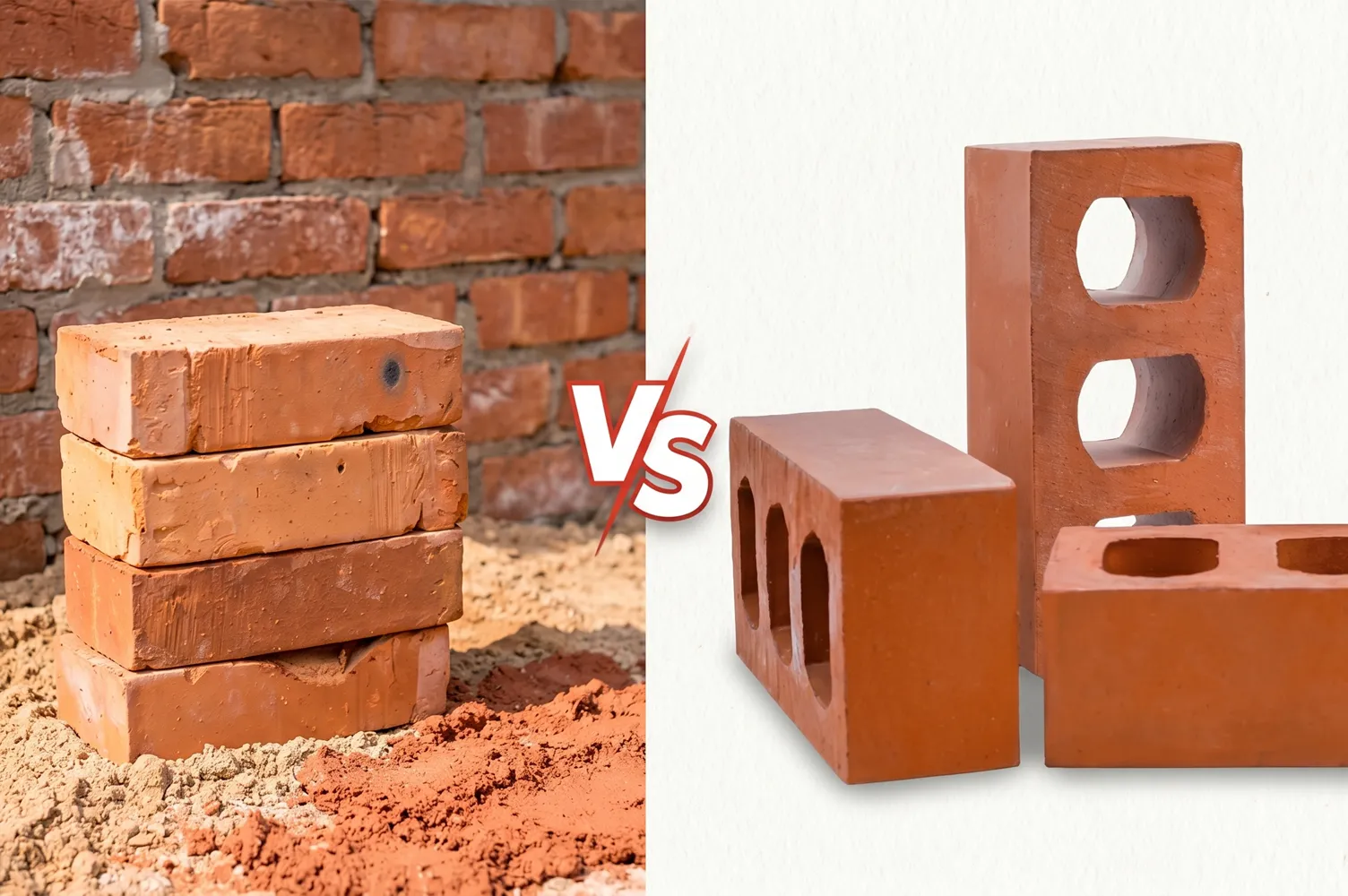
The comparison between thermal insulating and conventional bricks becomes ever more critical as the building sector moves toward sustainable practices and energy-efficient materials. Builders, architects, and homeowners alike search for long-term value-adding building solutions. Knowing how these two kinds of bricks vary in terms of cost and energy performance is crucial for anyone debating other masonry choices. This analogy also emphasizes the increasing importance of Thermal insulation bricks for buildings Manufacturers in modern construction.
Material Composition and Performance
Traditional bricks are usually composed of clay or shale and burned to solidify. Though strong and readily available, their design does not consider energy economy. Conversely, lightweight materials such as fly ash, aerated concrete, or refractory compounds with great thermal resistance are used in engineering thermal insulation bricks.
Their main distinction is their capacity to control indoor temperatures. By greatly slowing heat transfer, thermal insulation bricks help to keep interior temperatures cooler in summer and warmer in winter. Particularly in climates susceptible to change, this thermal resistance improves energy economy over time.
Energy Efficiency and Savings
Reducing the demand for heating and cooling systems enables thermal insulation bricks to save up to 30–40% of building energy consumption. Less insulation from traditional bricks often leads to increased heaters and air conditioning use to maintain indoor comfort.
Energy savings are a big motivator for building professionals. Lower utility expenses might mitigate the initial cost differential of a residential or commercial structure during its lifetime. This is a big selling feature for Thermal insulation bricks for buildings Manufacturers since more developers give energy ratings top priority while choosing materials.
Cost Implications: Initial vs Long-Term
The fact that thermal insulation bricks cost more initially than conventional bricks is one of the typical worries about them. Still, this should be seen as being in line with long-term value. Although conventional bricks are less expensive at first, they eventually cause more energy bills and possible retrofitting expenses for insulation.
Although they cost more during procurement, thermal insulating bricks improve resale value and save long-term running costs. These savings compound over time for major commercial projects or sustainable housing complexes, providing a more affordable solution overall.
Environmental Impact
Environmental sustainability is also really crucial. Conventional bricks add to carbon emissions and utilize more natural resources during manufacturing. Particularly those produced from recycled or fly ash materials, thermal insulation bricks fit green building guidelines and have a less carbon footprint.
Thermal insulation bricks for buildings Manufacturers are becoming increasingly essential participants in environmentally friendly building supply chains as global demand to lower construction-related emissions grows.
Conclusion
Although conventional bricks still meet simple building requirements, thermal insulation bricks beat them in terms of energy economy, environmental effect, and long-term cost savings. Thermal insulation bricks for buildings Manufacturers will become more important as the sector shifts toward greener, more intelligent building techniques. Selecting the appropriate brick now can result in better comfort, reduced running costs, and a more sustainable future. Your building will look great year after year with Jindal Mechno Bricks.