
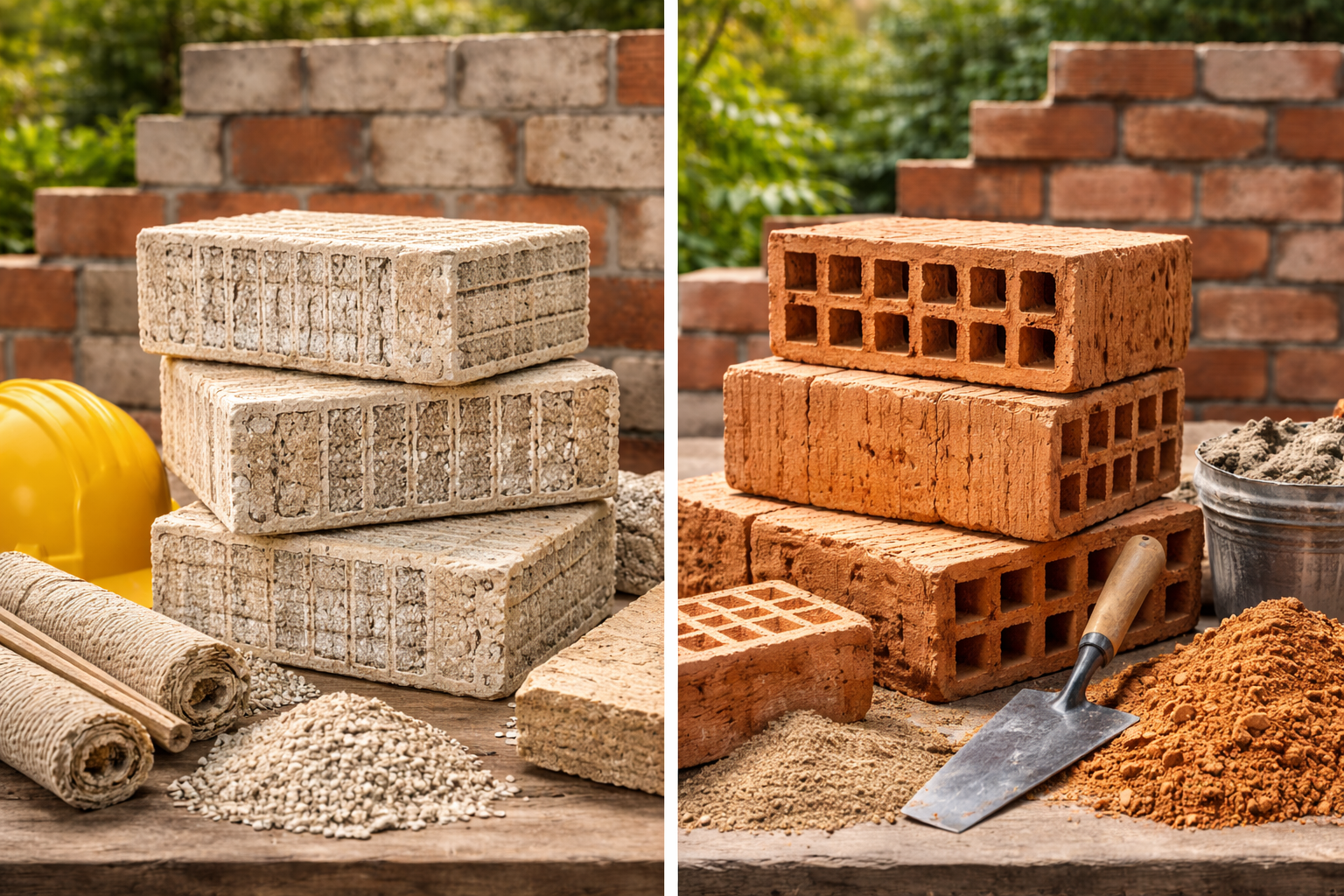
Modern buildings prioritise occupant comfort, sustainability, and energy efficiency. The choice of bricks determines one of the most crucial elements influencing these aspects. Although conventional clay bricks have been used for building for a long time, thermal insulation bricks are becoming a preferred choice in energy-efficient architecture. Specifically, from the standpoint of Thermal insulation bricks for buildings Manufacturers, this comparison investigates the differences between the two materials.
Thermal Performance
The capacity of thermal insulation bricks to control heat defines them most from clay bricks. Although strong and somewhat inexpensive, clay bricks have a relatively high thermal conductivity. This allows heat to be transferred more readily, which is why indoor environments are affected by outside temperatures.
Conversely, thermal insulation bricks are specifically designed to reduce heat transfer. They enable a consistent indoor temperature independent of outside circumstances. This function makes thermal insulation bricks a highly sought-after good for producers in areas with both extreme heat and cold.
Energy Efficiency
Because clay bricks absorb and release heat more rapidly, air cooling or heating systems may be used more frequently. Higher energy demand will follow over time.
However, thermal insulating bricks significantly reduce the demand for mechanical heating or cooling. Built with these bricks, buildings have smaller energy consumption and support more environmentally friendly building techniques. For builders and developers who are environmentally conscious, this energy-saving feature of Thermal insulation bricks for buildings Manufacturers is a key selling point.
Structural Weight and Load
Relatively heavy traditional clay bricks significantly load the building frame. Although they offer a robust framework for multi-story or lightweight constructions, they might not be the most practical choice.
Usually weighing less, Thermal insulation bricks for buildings Manufacturers are more uncomplicated to handle, move, and install. Another benefit manufacturers might highlight when promoting their products is faster building times and lower labour expenses resulting from their reduced weight.
Moisture and Weather Resistance
Although clay bricks are known to absorb moisture, improper maintenance can lead to structural deterioration over time due to humidity and mildew.
Conversely, thermal insulating bricks resist moisture better and do not break down as quickly in reaction to different temperatures. This increases their long-term durability, especially in humid or rainy climates.
Conclusion
While clay bricks have been used in construction for millennia, modern buildings require more intelligent, energy-efficient materials. Clear benefits in terms of heat control, energy savings, moisture resistance, and environmental impact are evident in thermal insulation bricks. The growing market demand for Thermal insulation bricks for buildings Manufacturers indicates a shift toward sustainable construction techniques. These bricks are paving the way for the future of energy-efficient architecture as builders and developers seek innovative ideas. Jindal Mechno Bricks always makes world-class building materials because they follow an organized process and test their raw materials thoroughly.