
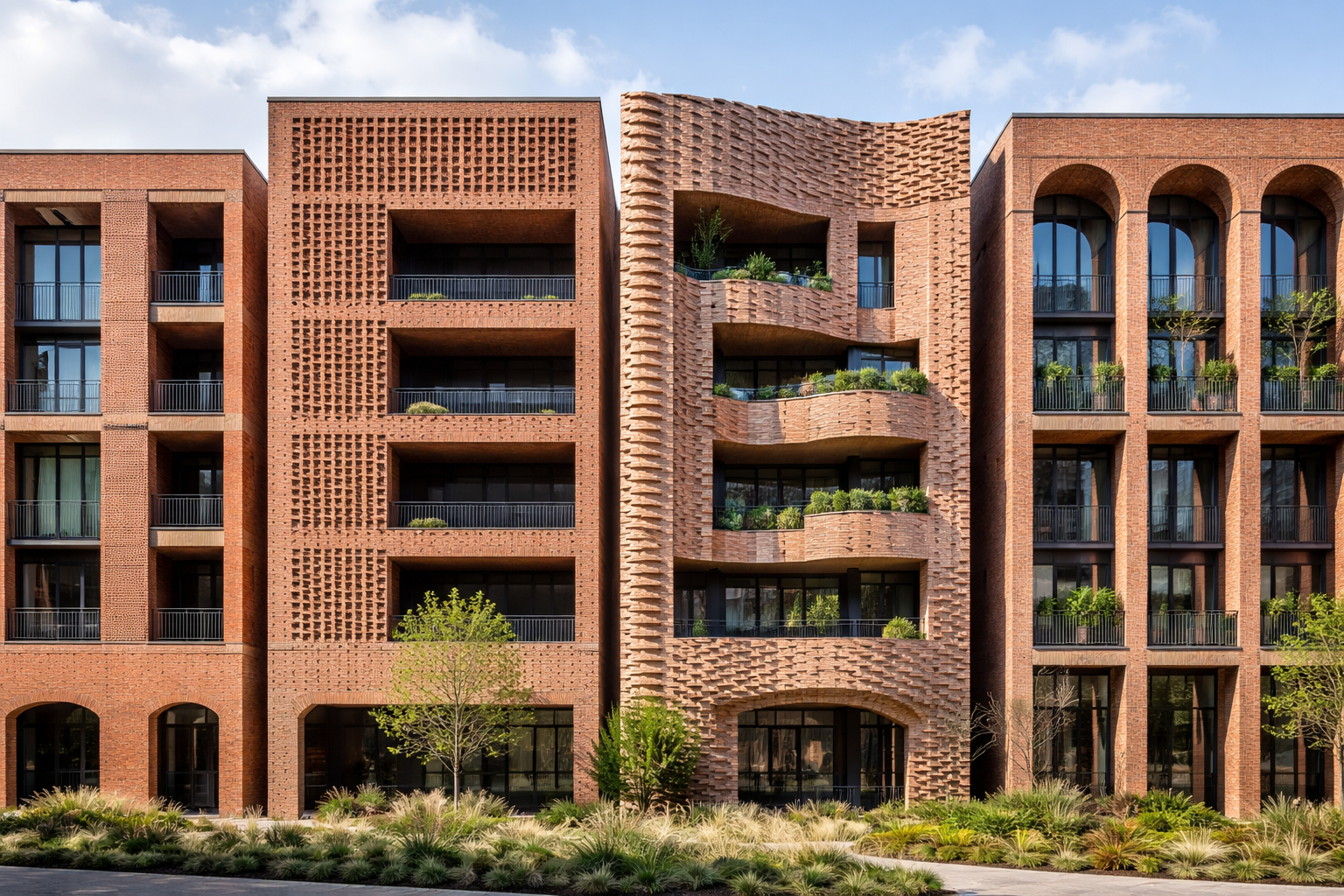
Few materials have endured like a brick within the often-shifting field of architecture. From elegant metropolitan high-rises to historic fortifications, bricks have long been linked with strength and permanency. However, the function and design of brick façades changed with architectural styles. Today, Building facades with bricks Manufacturers define how this age-old material fits into the modern design story—blending history with invention and structure with elegance.
From Function to Form: A Historical Shift
Brick façades have historically been essentially structural components. Mostly used load-bearing walls, bricks were prized for their availability, fire resistance, and durability. Aesthetic concerns came second. However, the structural use of bricks was lost as steel and concrete frames emerged, allowing their beautiful and practical use in the façade.
This change lets builders investigate bricks as surface cladding materials that might define a structure’s character rather than only as construction blocks. Brick façades thus developed from essentially structural components to fundamental design elements in domestic and commercial buildings.
Modern Design Meets Traditional Craftsmanship
One of the most significant changes in recent years is the adaptation of building facades with bricks manufacturers to fulfill contemporary architectural requirements. Architectural projects today call for accuracy, adaptability, and a wide range of textures and colors. These days, manufacturers provide bricks in modern shapes with smaller profiles, longer lengths, and smoother surfaces that fit minimalist and industrial design aesthetics.
Concurrent with this is still the great attraction of rustic and old finishes. Though modern production uniformity has led to many producers resurrecting traditional textures such as handcrafted bricks and wire-cut surfaces, this mix of old and modern gives architects great creative flexibility.
Innovation in Patterns and Applications
Modern brick faces are no longer only flat surfaces. Architects combine layered designs, recessed locations, and sophisticated bonding patterns to produce dynamic textures and depth. Offering prefabricated panels that streamline installation and allow intricate visual effects, manufacturers support these advancements by providing modular choices.
Furthermore, the evolution of ventilated brick facades and rain-screen systems demonstrates how utility has matched aesthetics. In high-performance buildings, these technologies improve energy economy and moisture control and provide architectural freedom.
Sustainability and Environmental Responsibility
Sustainability is very important in modern architecture; building facades with bricks manufacturers are meeting the challenge. Many now make bricks utilizing environmentally responsible techniques such as reusing waste products, lowering kiln emissions, and finding local clays to lessen their impact.
Bricks inherently support sustainable architecture through their lifetime, recyclability, and thermal mass—which helps control indoor temperatures. These advantages frequently assist green construction projects in meeting certifications like LEED or IGBC as well as energy criteria.
The Road Ahead: Smart and Responsive Designs
Looking ahead, clever integration will define brick façades. Manufacturers are investigating self-cleaning surfaces, sensor-based systems, and bricks supporting solar panel integration. These ideas seek to blend modern smart buildings’ demands with bricks’ ageless beauty.
Conclusion
Brick façades show a larger change in design itself—one that equally values sustainability, innovation, and history. The creative design of building facades with bricks manufacturers has helped bricks remain relevant, adjusting to new forms while maintaining their classic appeal. Brick façades will surely remain a pillar of creative and sustainable design as modern architecture keeps stretching limits.