
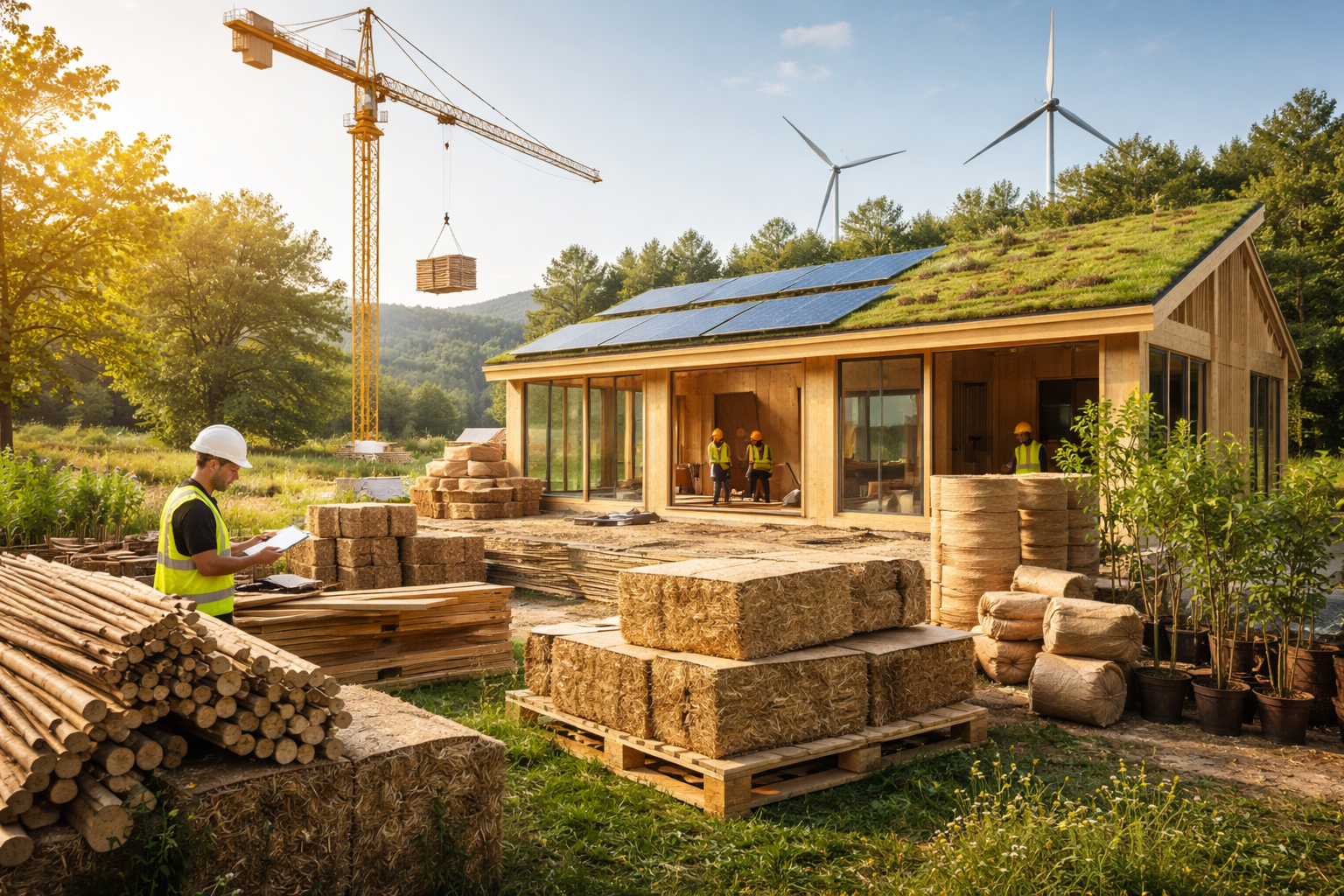
Sustainability is no longer a buzzword in today’s environmentally conscious world; it is a requirement. One of the primary causes of global carbon emissions, the building sector is undergoing significant changes. The core of this change is Sustainable building materials Manufacturers who support the use of environmentally friendly substitutes. Among the most powerful of these are clay bricks, a classic building material now being reinterpreted using sustainable methods.
The Environmental Cost of Conventional Construction
High-emission materials, such as cement and concrete, are relied mainly upon in traditional building techniques. Although these materials possess good structural strength, their energy-intensive manufacturing techniques lead to a notable carbon footprint. On the other hand, when produced responsibly, clay bricks present a low-impact, high-performance alternative that aligns with global green construction targets.
Embracing energy-efficient technologies and eco-conscious sourcing to reduce the environmental impact associated with building, many Sustainable building materials Manufacturers are reviving this age-old material with modern advancements.
Why Clay Bricks Still Matter
For millennia, Indian buildings have primarily been constructed using clay bricks. Their inherent composition, strength, and thermal insulating qualities define them. Sustainable firing techniques, such as zigzag kilns or vertical shaft brick kilns, consume less fuel and produce less emissions.
Unlike many modern materials, clay bricks regulate indoor temperature, thereby reducing the need for artificial heating or cooling. Over time, this reduces the energy consumption for building owners and renters. Clay bricks can also be recycled, reused, or allowed to biodegrade, thereby reducing landfill waste.
Innovation by Indian Manufacturers
Top Sustainable building materials Manufacturers are producing innovative and more ecological clay bricks. Some have gone to biomass or electric substitutes instead of coal-fired kilns. Others are lowering the requirement for fresh clay by including fly ash and other recyclable components into the brick mix, therefore strengthening and insulating the building.
Advanced drying techniques to reduce water use and energy consumption are now being widely adopted. These developments enhance quality, consistency, and compliance with green construction criteria while also helping to mitigate the environmental impact of brick manufacture.
From raw material procurement to final packaging, Indian manufacturers are streamlining every aspect of the production process, enabling government projects, architects, and developers to meet sustainability guidelines without compromising performance.
Conclusion
The correct materials define sustainability in buildings. With clay bricks at the forefront, Sustainable building materials Manufacturers are significantly influencing the construction techniques employed. These companies are not only reducing the environmental impact of the sector but also setting new standards for the direction of green building by combining innovation with legacy. Jindal Mechno Bricks always makes world-class building materials because they follow an organized process and test their raw materials thoroughly.